Geophysicist Hajo Eicken Reflects on Alaska Sea Ice Research Before Germany Return
Geophysicist Hajo Eicken, shaped by sea ice fieldwork near Utqiagvik, is heading back to Germany's Alfred Wegener Institute.

Hajo Eicken built a career on the ice. The geophysicist's years of field research near Utqiagvik left a mark deep enough to define his scientific trajectory, and now, as he prepares to return to Germany's Alfred Wegener Institute, he's reflecting on what that work near the top of the world meant.
A profile published March 5, 2026 traced how Eicken's time on Alaska's North Slope, conducting sea ice research in and around what residents here still often call Barrow, formed the backbone of a career that now carries him back across the Atlantic. Utqiagvik, perched on the Arctic Ocean's edge, has long served as one of the world's most critical vantage points for understanding how sea ice forms, moves, and disappears. For Eicken, it was more than a research site.
The Alfred Wegener Institute, based in Germany, stands as one of the foremost polar research institutions in the world. Eicken's return there signals not a departure from Arctic science but a continuation of it, shaped by the hands-on knowledge gathered during seasons spent working in one of the most demanding field environments on Earth.
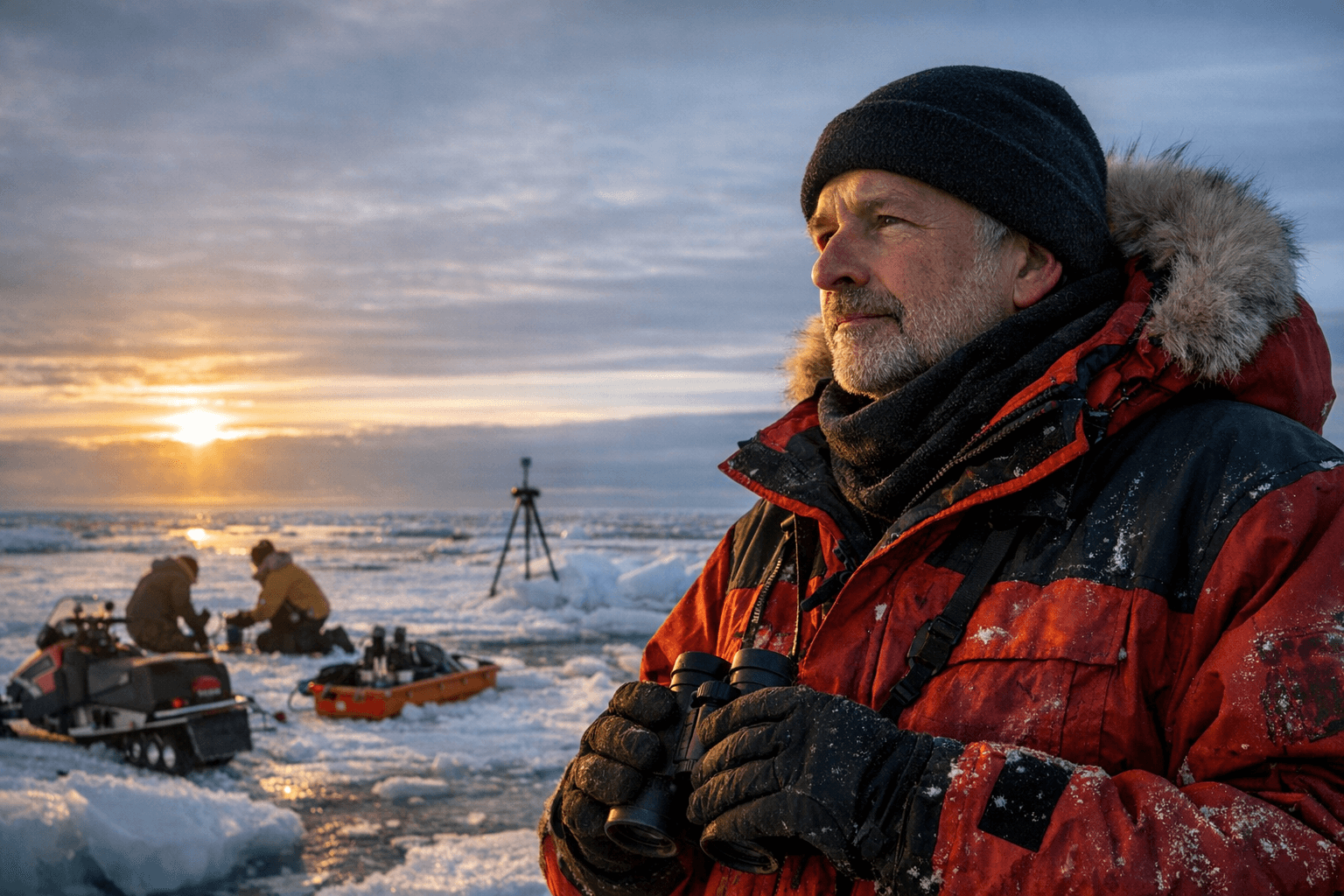
For the North Slope community, researchers like Eicken represent a thread connecting local landscapes to global scientific understanding. The sea ice that Utqiagvik residents navigate, hunt from, and read for safety each season is the same ice that generates data informing climate models worldwide. Eicken's fieldwork existed at that intersection, where Indigenous knowledge of ice behavior and geophysical measurement meet.
His departure marks the end of a chapter tied closely to this borough, even as the questions his research helped raise about Arctic sea ice change remain very much open.
Know something we missed? Have a correction or additional information?
Submit a Tip
