High Winds and Blowing Snow Disrupt Travel in Point Hope
A National Weather Service advisory issued January 5 warned of strong northeast winds and blowing snow along the Western Arctic Coast, creating fog and reduced visibility that made travel difficult in Point Hope. The conditions highlighted ongoing risks for emergency response, supply access, and vulnerable residents in remote North Slope communities.
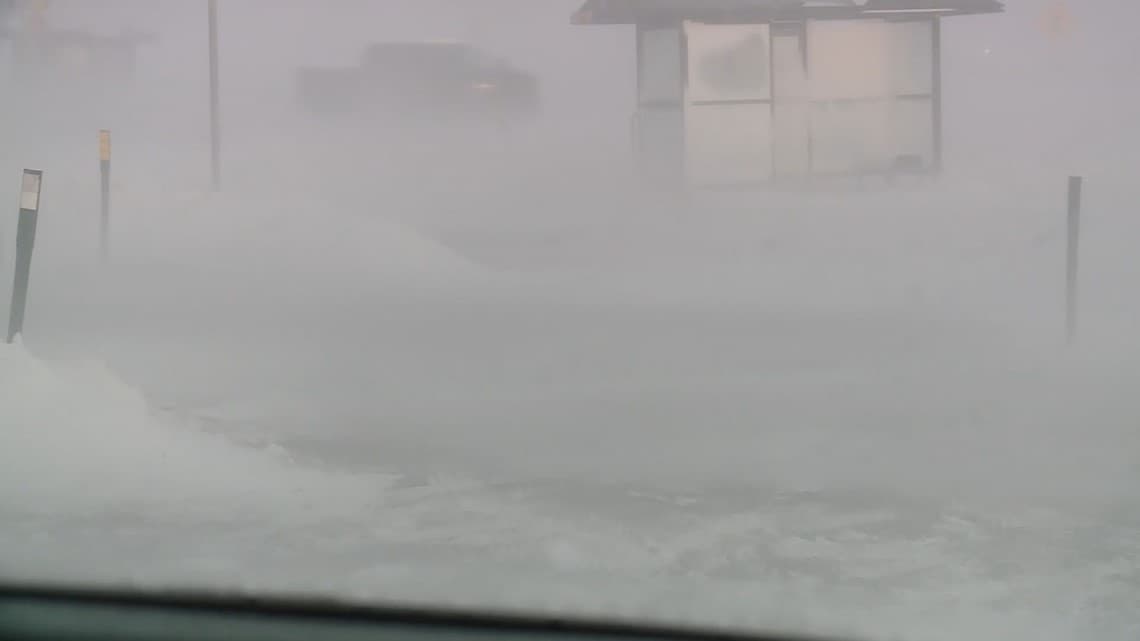
On January 5 the National Weather Service in Fairbanks issued an advisory for Point Hope, effective from 11:32 a.m. AKST that morning through 3:00 a.m. on January 6. Forecasters warned of northeast winds with gusts up to 55 mph producing blowing snow and fog, with visibilities dropping to around one half mile at times. The advisory cautioned that travel could be difficult or hazardous and urged people to slow down, expect reduced visibility, and follow local travel advisories.
Although the advisory covered a specific 15-hour period, its effects ripple across the community. Strong winds and near-zero visibility complicate routine movements between homes, health clinics, and public facilities, and they increase the chance of vehicle accidents and snowmachine mishaps on trails that many residents depend on for daily travel and subsistence activities. In remote villages such as Point Hope, where clinic capacity and emergency transport resources are limited, weather events quickly strain local health systems and can delay medical evacuations to regional hospitals.
Blowing snow and fog also threaten essential supply chains. Deliveries of food, fuel, and medicines that arrive by air or coastal shipping are often scheduled around narrow weather windows; conditions like those on January 5 can force cancellations or reroutes, exacerbating shortages for elders, people managing chronic illnesses, and households with limited storage. Prolonged isolation linked to severe weather can amplify mental health stresses and make it harder for residents to access social support.
Public health implications extend beyond immediate injuries. Cold exposure during travel increases the risk of hypothermia and frostbite, particularly for people who must wait outdoors during delays or who have inadequate winter gear. Reduced access to routine care can interrupt chronic disease management and medication continuity. All of these outcomes disproportionately affect Alaska Native communities in the North Slope Borough, which often face longstanding infrastructure gaps and higher barriers to timely care.
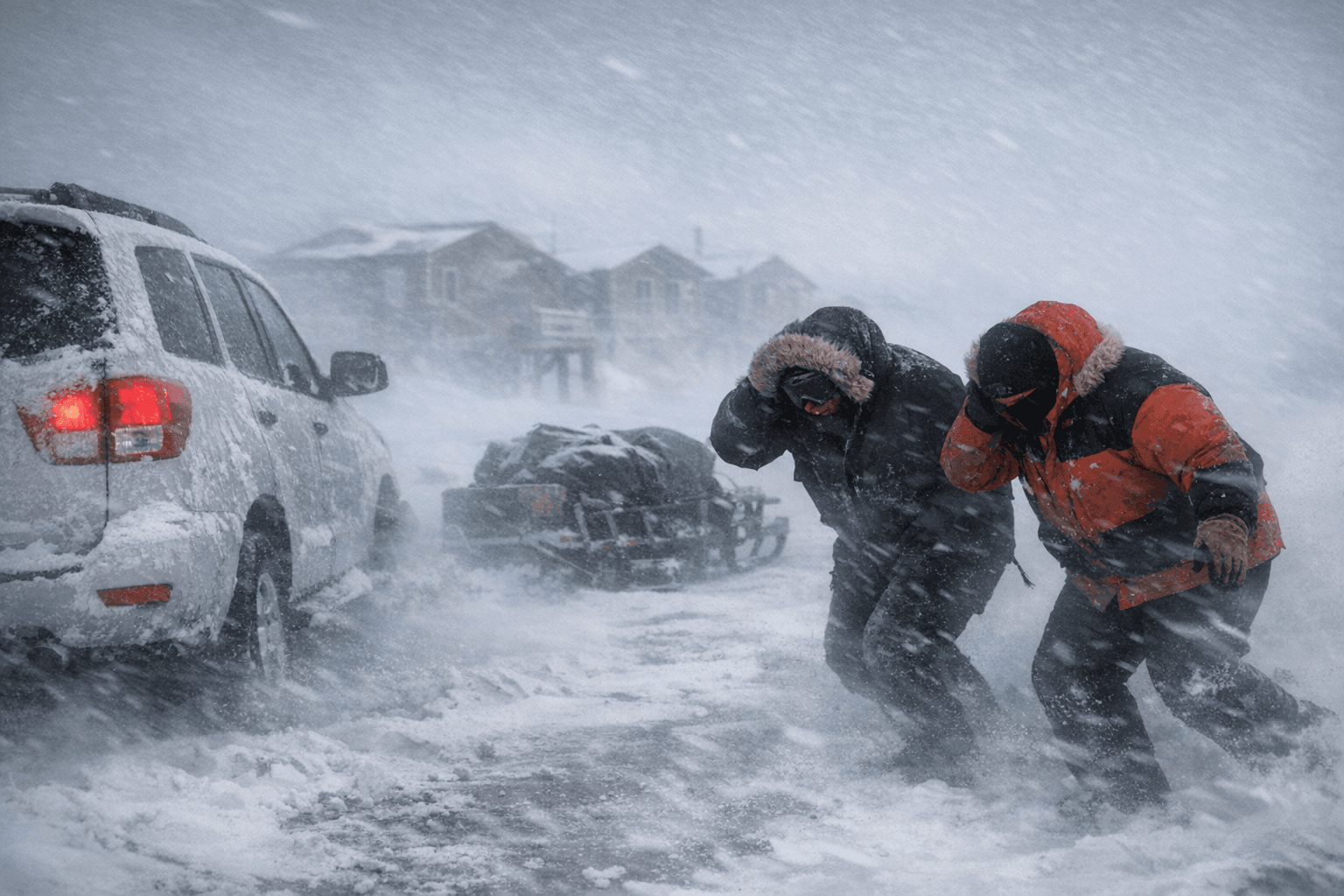
Local leaders and health providers recommend that residents prepare for sudden travel disruptions by monitoring local advisories and coordinating with transportation providers. The NWS advisory specifically advised slowing down, using caution, and checking with local authorities and transportation operators before traveling. For policymakers, the event underscores the need to invest in resilient transportation planning, emergency medical capacity, and communication systems that center equity for remote communities.
As weather-driven hazards persist through the Arctic winter, community-level preparedness and targeted policy action remain essential to protect health and maintain access to services for Point Hope and other North Slope villages.
Know something we missed? Have a correction or additional information?
Submit a Tip
