Iñupiat leader Jimmy Stotts remembered for Inuit rights advocacy
Jimmy Stotts, born in Utqiaġvik in 1947, helped carry Inuit self-determination from the North Slope to the world stage.
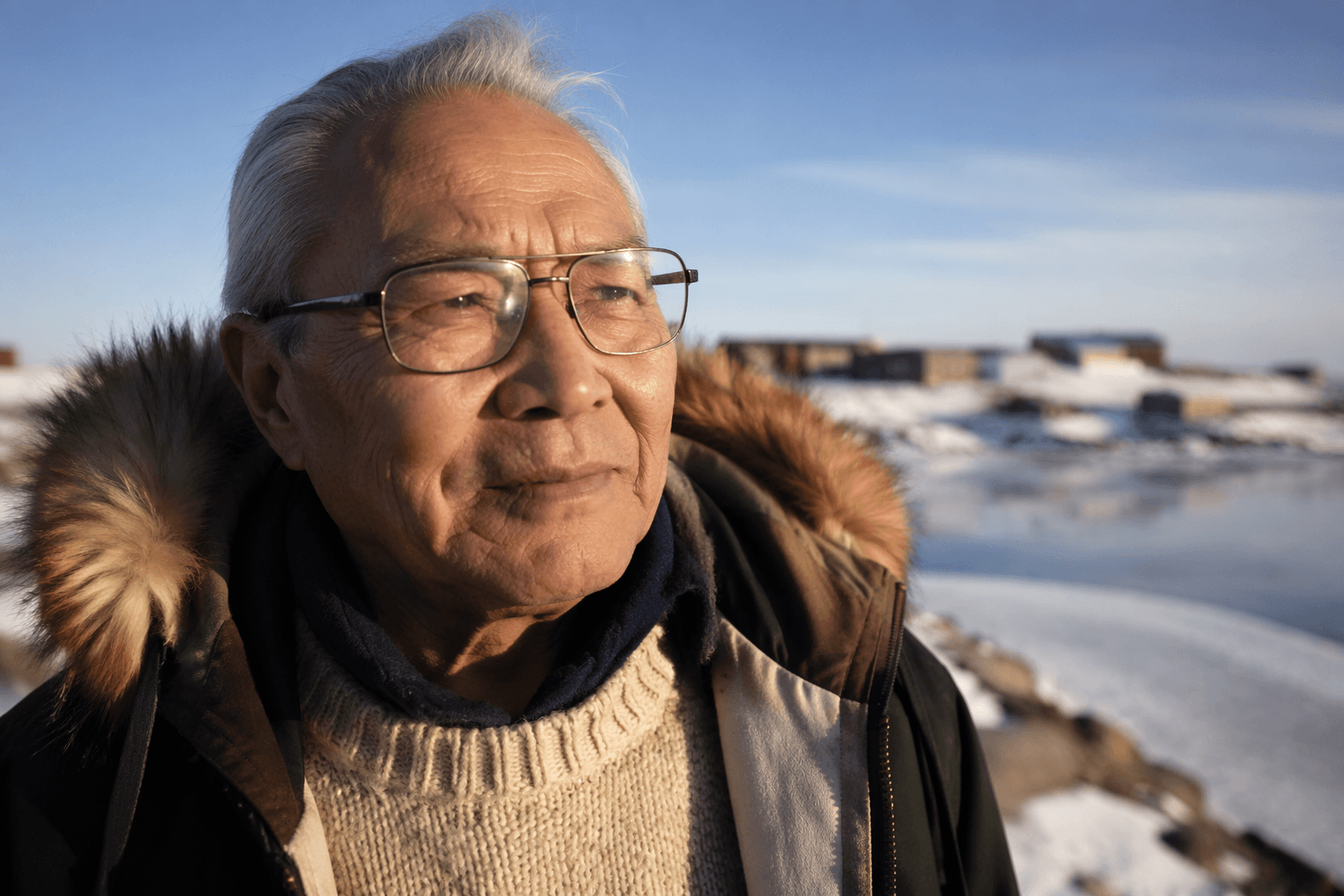
Jimmy Stotts left behind more than a public record of leadership. After a long fight with cancer, the 78-year-old Iñupiat advocate is being remembered across Alaska Native communities for work that shaped how North Slope families talk about self-determination, subsistence, land protection and the future of Arctic communities.
Stotts was born in Utqiaġvik in 1947 and built a career that tied local civic life to international Indigenous politics. He served on the North Slope Borough Assembly from 1978 to 1983, including two years as assembly president, at a time when the borough was still building the institutions that now anchor local government. He also spent more than 30 years in managerial and executive roles at Ukpeagvik Iñupiat Corporation and Arctic Slope Regional Corporation, two corporations created under the Alaska Native Claims Settlement Act that remain central to village and regional decision-making.
His work at the Inuit Circumpolar Council gave North Slope residents a voice far beyond Alaska. ASRC said Stotts served on ICC’s first executive council and later became president of ICC Alaska. Alaska Public Media’s profile says he represented Alaska on the first ICC Executive Council in 1980 and served three consecutive terms through 1989, then worked with ICC Greenland in the early 1990s before returning as ICC Alaska executive director in January 2008. ICC Alaska describes itself as the unified voice and collective spirit of Alaskan Inuit, and its General Assembly, held every four years, elects leadership and adopts resolutions that can shape Inuit advocacy across national borders.
One of the least-recognized parts of Stotts’ legacy was his role in economic self-determination, not just cultural advocacy. ASRC said he helped communities press for protection of lands, culture, economy and way of life, and his influence included the ICC Economic Summit. That work mattered in North Slope villages where jobs, subsistence and development decisions are often intertwined, and where leaders must navigate both corporate governance and community survival.
Those who knew him said Stotts never treated subsistence as an abstract policy issue. Patsy Aamodt said he understood it from lived experience and cared about making sure there were enough caribou for elders and others who could not hunt for themselves. Rex Rock Sr. called him a mentor and pointed to his calm, straightforward leadership. Former Alaska politician Reggie Joule said Stotts helped ensure the Inuit voice was heard on the international stage, a role that still echoes in today’s North Slope civic life.
This article was produced by Prism’s automated news system from verified source data, official records, and press releases, then run through automated quality and moderation checks before publishing. The system is built and supervised by the people who set the standards it runs under. Read our full AI policy.
Know something we missed? Have a correction or additional information?
Submit a Tip