Polar bear visit interrupts Utqiagvik Arctic workshop on coastal change
A young polar bear drew phones to the windows at an Utqiagvik workshop, turning a coastal change meeting into a lesson in wildlife safety and Arctic collaboration.
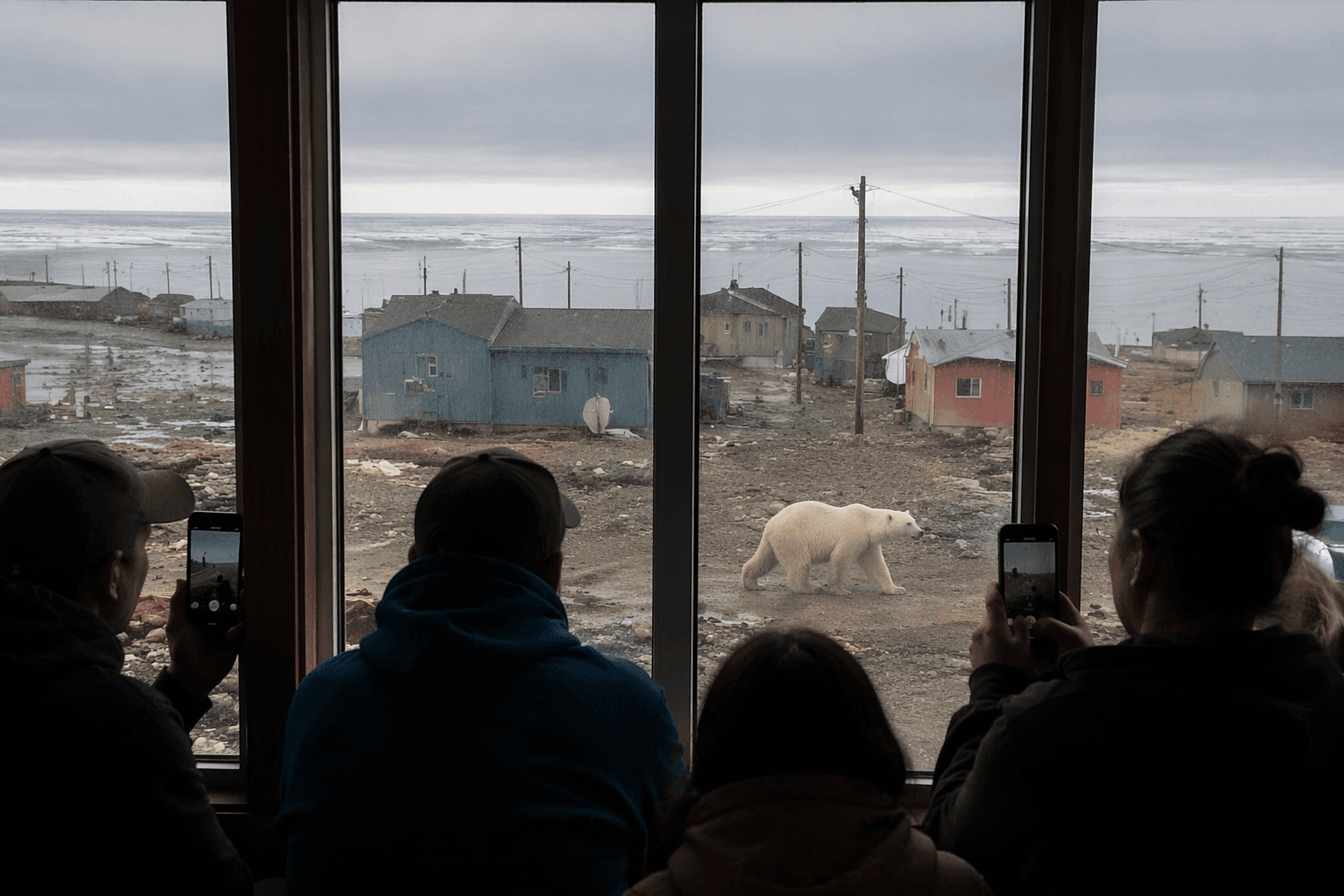
A young polar bear wandering near the Barrow Arctic Research Center turned a four-day Arctic workshop in Utqiagvik into a real-time reminder of what coastal change means on the North Slope. Phones went up, people moved to the windows, and a North Slope Borough Department of Wildlife Management staff member used a snowmachine to steer the nanuq away from empty sled dog cages, underscoring how close research, wildlife, and daily life sit to each other in town.
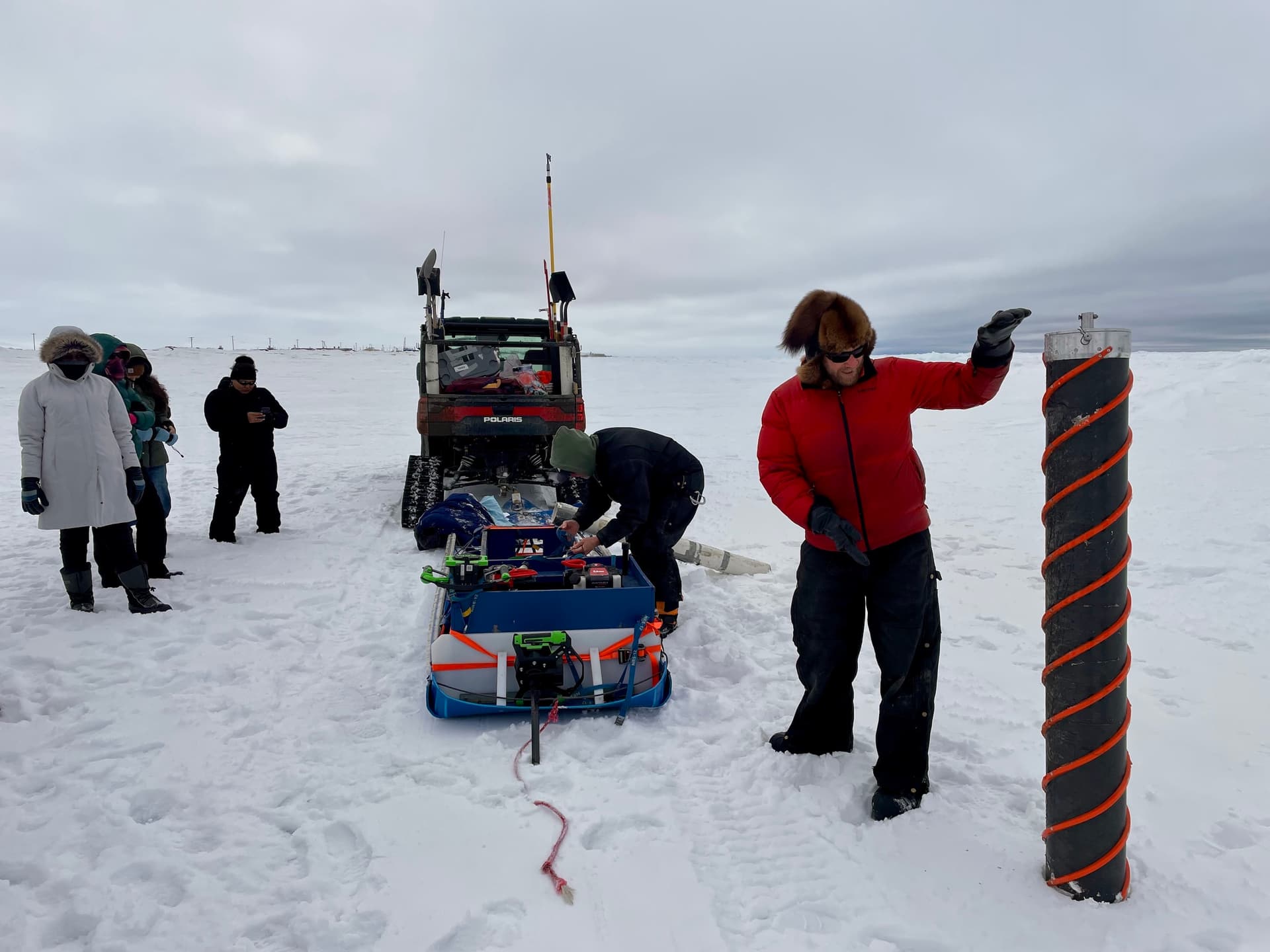
That scene unfolded as researchers, community leaders, and borough wildlife staff met on the coast to talk about Arctic change with a practical goal: shaping how North Slope communities respond to flooding, erosion, and permafrost thaw. The workshop supported ACTION, the Alaska Coastal Cooperative for Co-producing Transformative Ideas and Opportunities in the North, a National Science Foundation-funded effort co-led by University of Alaska Fairbanks professor Chris Maio. Project materials describe it as a commitment to co-learning and problem-solving grounded in community-driven science and education.
The stakes reach far beyond one meeting room. ACTION is designed to combine Indigenous and Western knowledge to address coastal hazards in eight Arctic communities, and the Utqiagvik gathering put local decision-makers in the same space as scientists who study oceans, permafrost, and social change. Mayor Asisaun Toovak was there, along with representatives connected to Hooper Bay and Tuktoyaktuk, Northwest Territories, showing that the conversation is part of a wider Arctic network, not an isolated North Slope session.
The borough’s wildlife leaders had a central role in that conversation. The North Slope Borough says its Wildlife Management Department exists to ensure sustainable harvest and healthy fish and wildlife populations through scientific research, Indigenous knowledge, and community leadership. Its polar bear safety program uses nonlethal hazing to keep bears out of coastal villages and reduce the number of bears killed for public safety, and the borough says its conservation work has earned recognition as a USFWS Recovery Champion Region 7. In a place where subsistence, safety, and wildlife management overlap every day, that puts borough staff not just on the response side, but at the table where research priorities are being set.

The setting also carried its own history. Utqiagvik’s Naval Arctic Research Laboratory, along with buildings such as the Nanuq Den and old Quonset huts now owned by Ukpeaġvik Iñupiat Corporation, reflects a long Arctic science relationship that has been reshaped over decades. UIC and UAF marked NARL’s 75th anniversary in August 2022, and the lab’s evolution from an oil and gas support base to a center for Arctic science has helped define the modern model of partnership in Utqiagvik. This workshop pointed to the next question for the North Slope: whether that model will keep producing concrete work on erosion, flooding, and village safety, or remain another round of good intentions on the coast.
This article was produced by Prism’s automated news system from verified source data, official records, and press releases, then run through automated quality and moderation checks before publishing. The system is built and supervised by the people who set the standards it runs under. Read our full AI policy.
Know something we missed? Have a correction or additional information?
Submit a Tip