Utqiaġvik bird festival returns June 12 with tours, talks and trivia
Tens of thousands of birds pass through Utqiaġvik’s tundra wetlands, and the June 12-14 festival will turn that migration into free tours, talks and trivia.

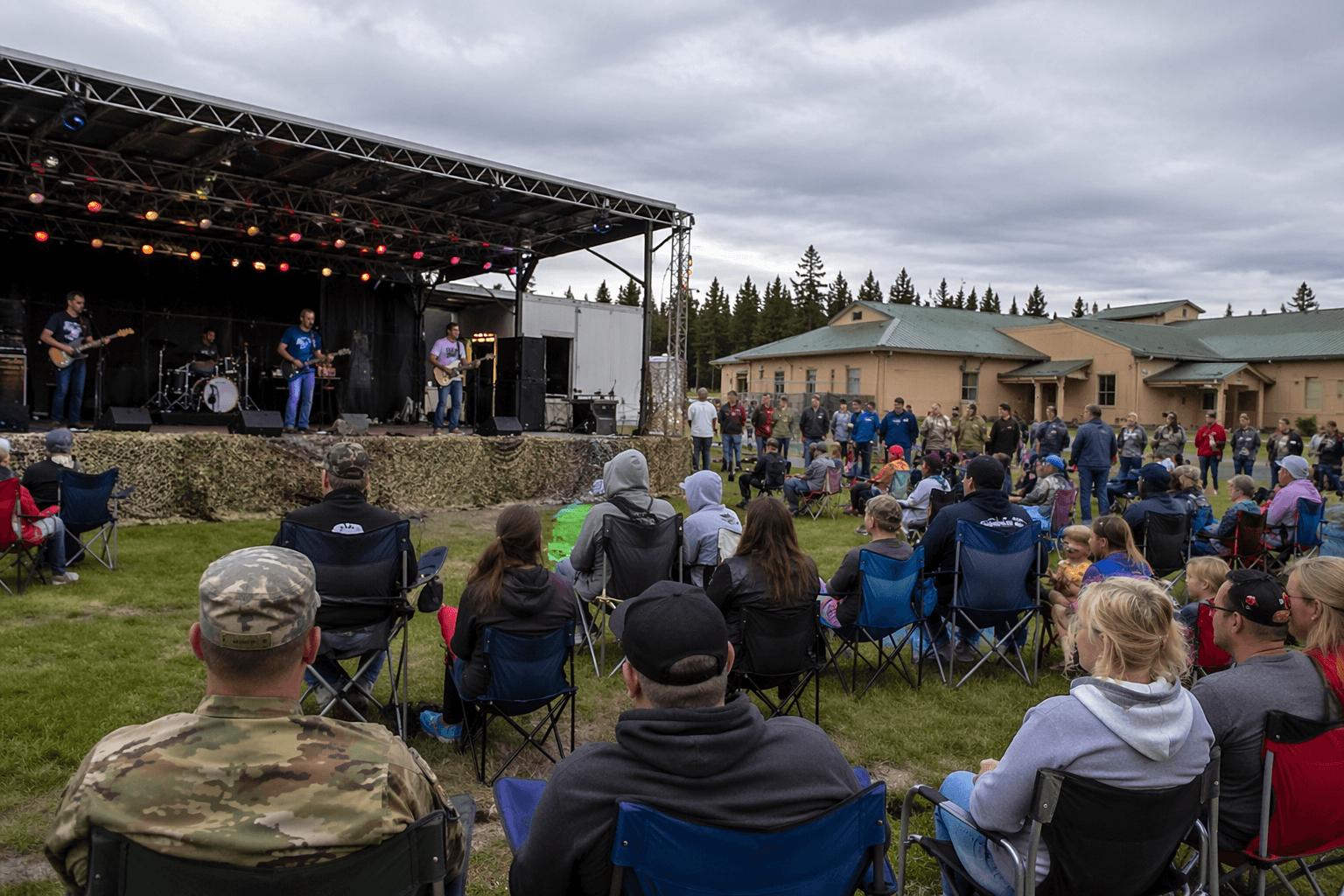
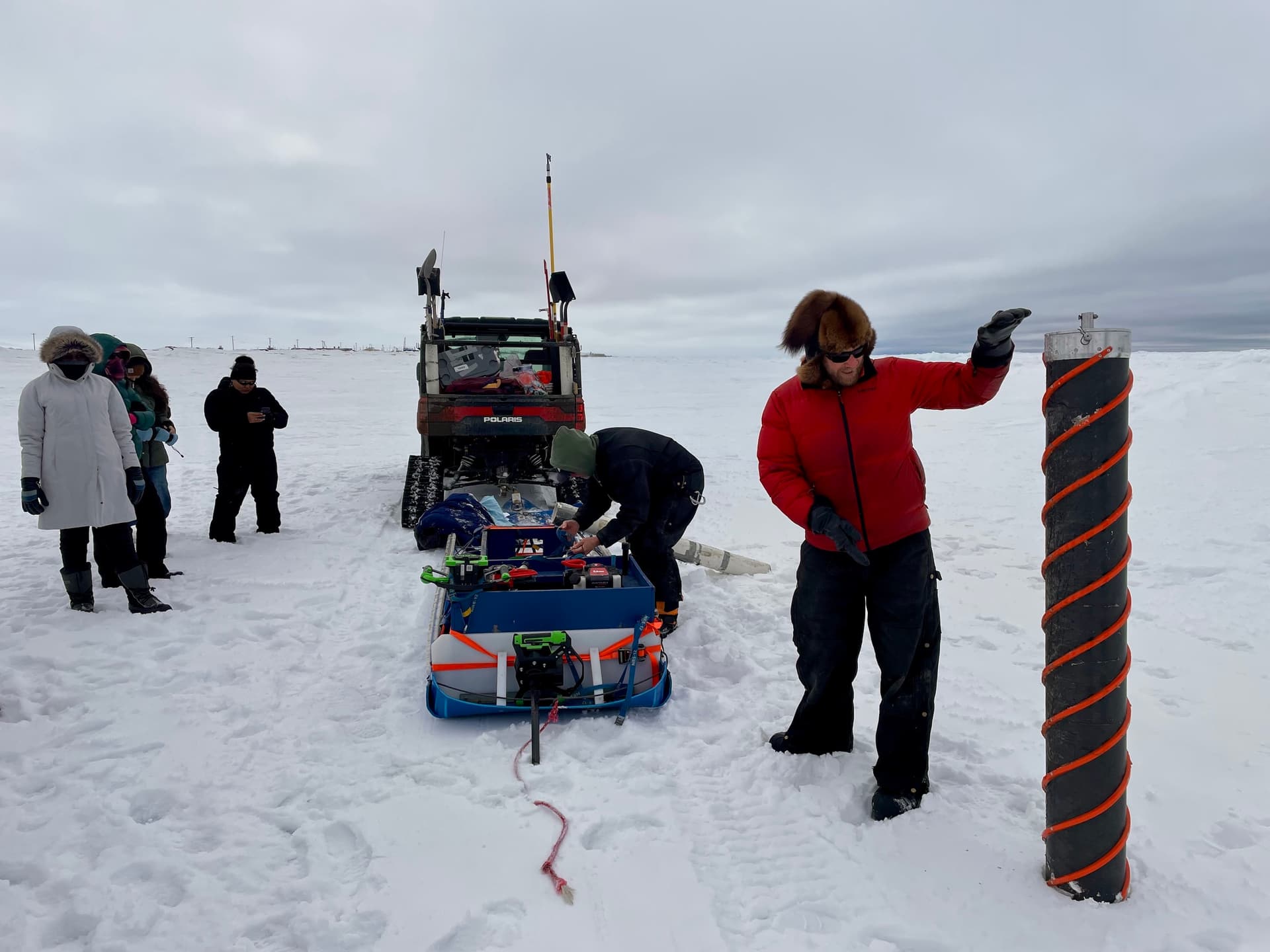
Utqiaġvik’s spring bird migration is about to spill into classrooms, shorelines and gravel pits across town, giving residents and visitors a front-row look at the high Arctic’s most visible seasonal shift. The fourth annual Utqiaġvik Migratory Bird Festival will run June 12-14 at Fred Ipalook Elementary School and birding hotspots throughout the community, with free admission and a lineup built around trivia night, drawing workshops, science talks, birding tours and other events.
Audubon Alaska says the festival is part of a collaboration within the U.S. Fish and Wildlife Service Directorate Fellows Program initiative, and organizers are framing it as more than a weekend of birdwatching. Max Nootbaar said the gathering is meant to highlight the value of migratory birds nesting in the high Arctic, the threats those birds face, and the strength of Iñupiat tradition and connection to regional natural resources. That message lands in Utqiaġvik, the economic, transportation and administrative center of the North Slope Borough and the northernmost community in the United States, where seasonal change shapes hunting, travel, school life and visitor activity.
The festival’s local identity will be visible in the merchandise table, where attendees will be able to buy items featuring the 2026 logo, a King Eider designed by Utqiaġvik-based artist Alaina Bankston. The artwork ties the event directly to local talent and to one of the species that helps define the area’s coastal bird life.
Organizers are also steering people toward the Utqiaġvik Birding Trail, a community project with 10 sites around town. Audubon says the trail includes recommendations, descriptions, driving directions, special travel notes and possible bird sightings, with locations such as Stevenson Street Beachfront, Freshwater Lake and Nunavaaq Gravel Pit. The trail was created as a community asset for economic development and educational purposes, and festival planners say it gives bird tourists and local families a practical way to explore the area on their own time.
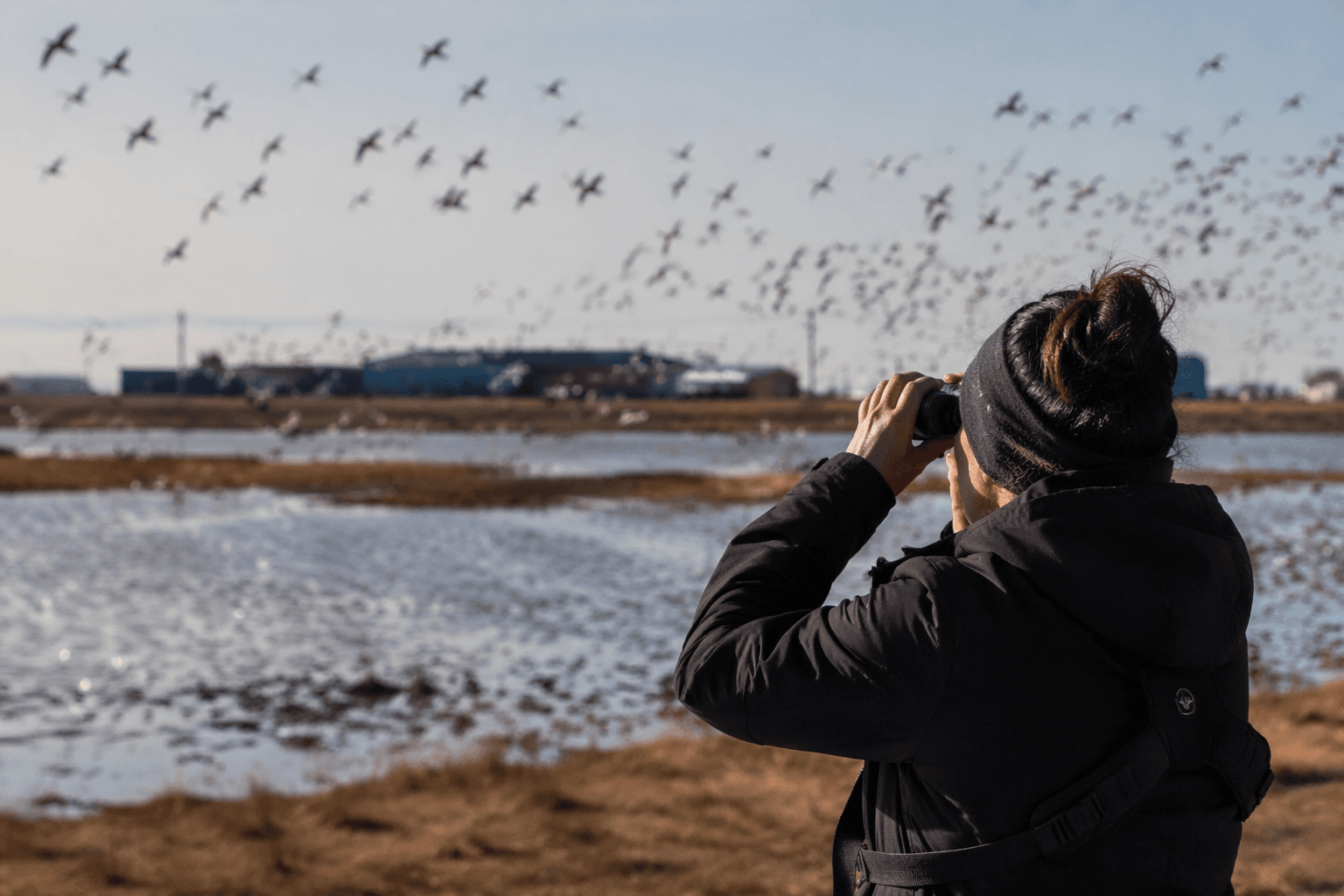
That broader effort reflects how birding has taken root in Utqiaġvik as a civic and cultural asset. The area has supported human habitation since around 800 AD, and the traditional name Ukpeagvik means “place where snowy owls are hunted.” Each spring, tens of thousands of shorebirds, waterfowl and seabirds move through the tundra wetlands around town, turning the landscape into a live lesson in migration and survival.
The festival’s recent track record shows the appetite for that kind of gathering. In 2025, more than 150 people attended and spotted about 60 species, while elders shared what birds they harvest, how they harvest them and the Iñupiaq names for those species. With free events, local art, science and on-the-ground birding, this year’s festival will again turn Utqiaġvik’s wildlife knowledge into something the whole community can share.
This article was produced by Prism’s automated news system from verified source data, official records, and press releases, then run through automated quality and moderation checks before publishing. The system is built and supervised by the people who set the standards it runs under. Read our full AI policy.
Know something we missed? Have a correction or additional information?
Submit a Tip