Unusual sea ice makes Utqiagvik bowhead whale harvest harder
Late ice pushed Utqiagvik’s spring bowhead hunt off schedule, delaying crews, food sharing, and family planning across the village.

Unusual sea ice pushed Utqiagvik’s spring bowhead hunt off its normal rhythm, and the delay carried straight into family life, food sharing, and the work of crews trying to reach the lead safely. When shorefast ice is rough or late, hunters have to rethink travel routes, timing, and whether the trail to the lead edge is safe enough to use, a change that affects not just the whalers but the households waiting for subsistence food and the people helping with fuel, equipment, processing, and distribution.
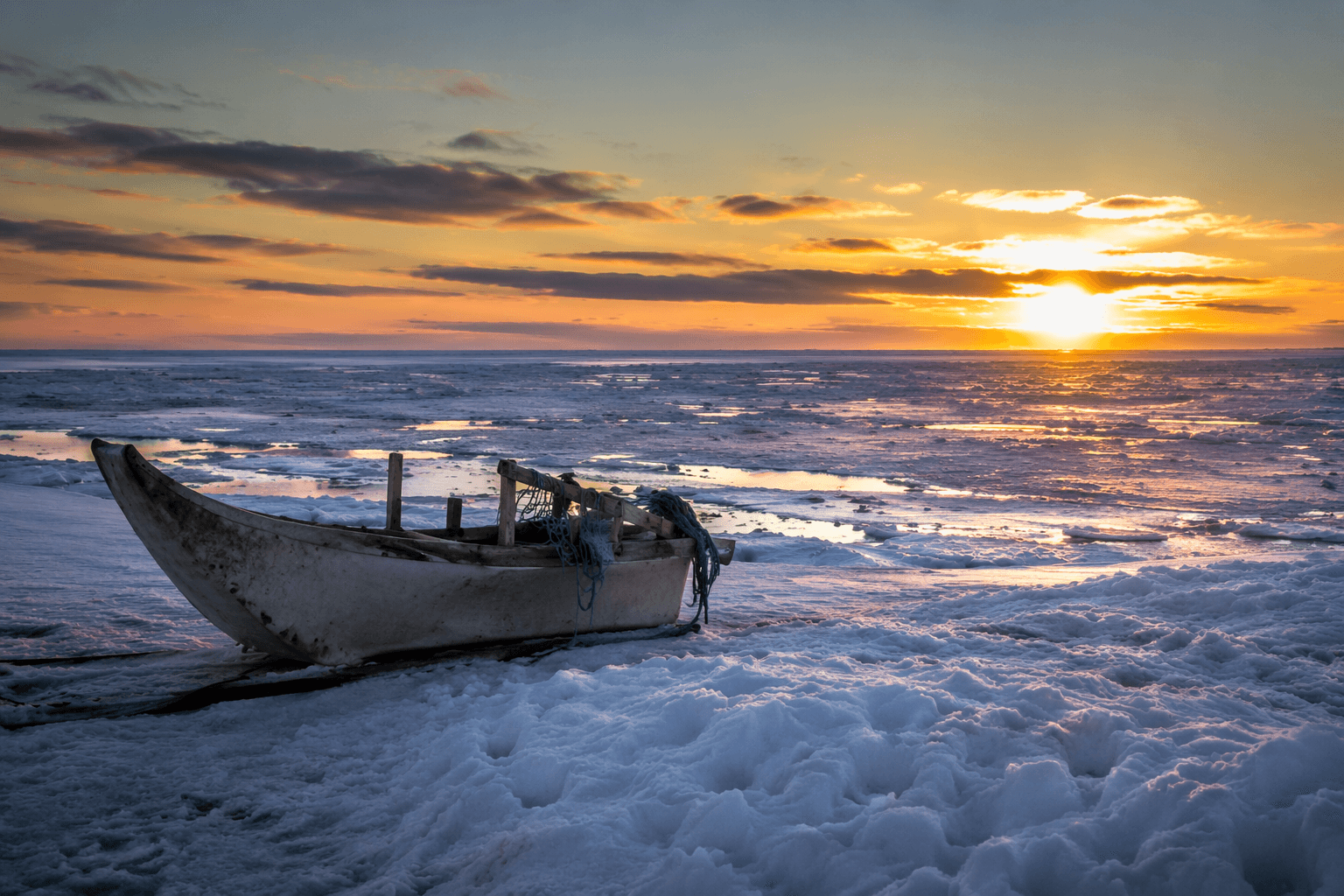
Utqiagvik’s spring whaling season usually runs from March to May, depending on ocean and sea ice conditions, and crews build trails across shorefast ice to reach the lead where bowhead whales pass during their migration. This year, the season started late because the ice did not line up with the usual calendar. The town has a quota of 25 bowhead whales a year, and longtime whaling captain Herman Ahsoak said the last time Utqiagvik landed a whale this late was in 2013, when it was “pretty close to June.”
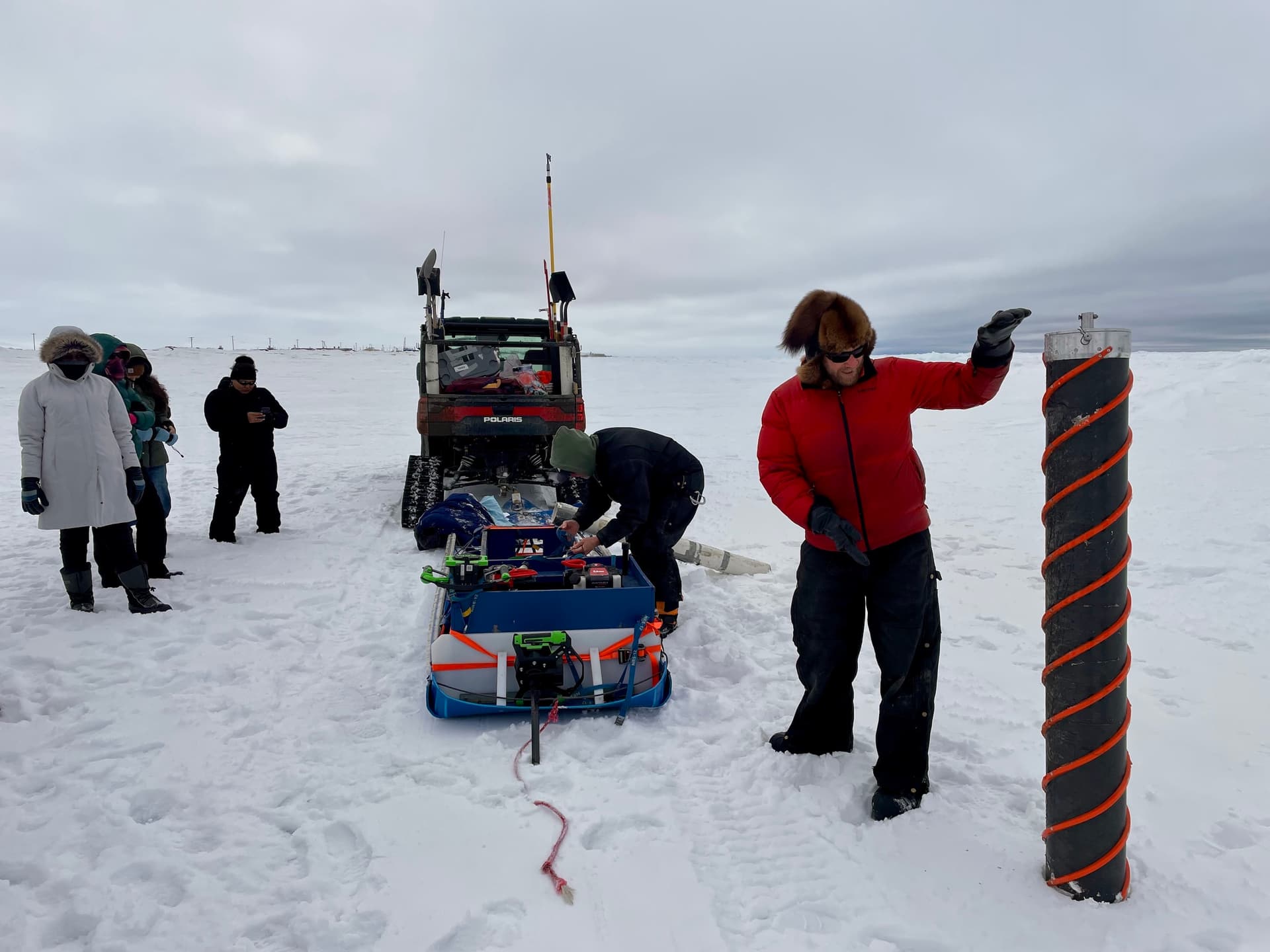
The first whale of the 2026 spring season was struck by the Hopson 1 crew on Saturday, a milestone that came after days of community attention around the slow start. Andy Mahoney said, “We have noticed that the ice is rougher this year, certainly than last.” That kind of roughness matters on the North Slope, where a hunt can hinge on whether a crew can move safely, set gear, and read conditions well enough to stay ahead of changing weather and ice.
For the Alaska Eskimo Whaling Commission, the issue reaches beyond one season. The commission says subsistence whaling is “a way of life” for Iñupiat communities and that people are “spiritually bound to the bowhead whale and it to us.” In Utqiagvik, that bond is tied to food security, elder support, and the seasonal order that shapes early summer. A delayed whale can change when families gather, when meat is shared, and how people plan around other responsibilities.
The difficulty fits a longer pattern of adaptation. Local and scientific partners have been mapping spring whaling sea ice around Utqiagvik since 2007, and past seasons have shown how quickly timing can shift. In 2019, crews went nearly two months into the fall season before landing a whale, and in 2024 the first spring whale fed the crew, neighbors, other North Slope villages, and family in the Lower 48. For Utqiagvik, unusual ice is not just a weather note. It is a direct test of how the community keeps whaling alive when the Arctic calendar keeps changing.
This article was produced by Prism’s automated news system from verified source data, official records, and press releases, then run through automated quality and moderation checks before publishing. The system is built and supervised by the people who set the standards it runs under. Read our full AI policy.
Know something we missed? Have a correction or additional information?
Submit a Tip