North Slope Borough health department centers culturally safe care
The borough health department says its job is more than clinic visits: direct, population-based care, behavioral health, and village outreach built around local realities.
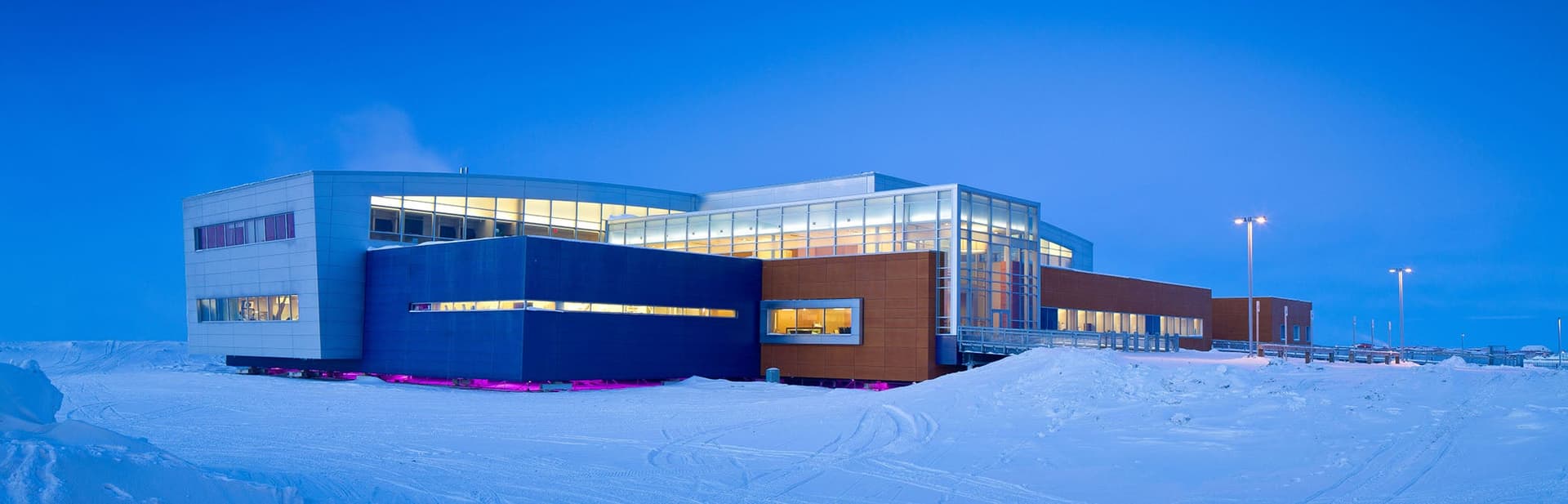
North Slope Borough Health & Social Services puts “culturally safe and compassionate care” at the center of its mission, and that language matters in a region where care often has to cross weather, distance, and limited transportation before it reaches a patient. The department describes its role as supporting holistic well-being across the borough, not just treating illness after it becomes urgent.
How the department is organized
The borough does not present health services as a single office in Utqiagvik. Instead, it organizes care through Community Health Services, Public Health Nursing, and Behavioral Health Services, with the Community Health Aide Program extending care into villages. That structure points to a system built for both individual treatment and population-level work, which is what a region of small, widely separated communities needs.
Community Health Services are described as direct and population-based services to North Slope communities. Public Health Nursing also provides population-based services, while Behavioral Health Services says it supports individuals, families, and communities with quality behavioral health care across the North Slope. In practice, that means the department is set up to reach beyond one-on-one appointments and work on prevention, outreach, and day-to-day support.
Village care through the Community Health Aide Program
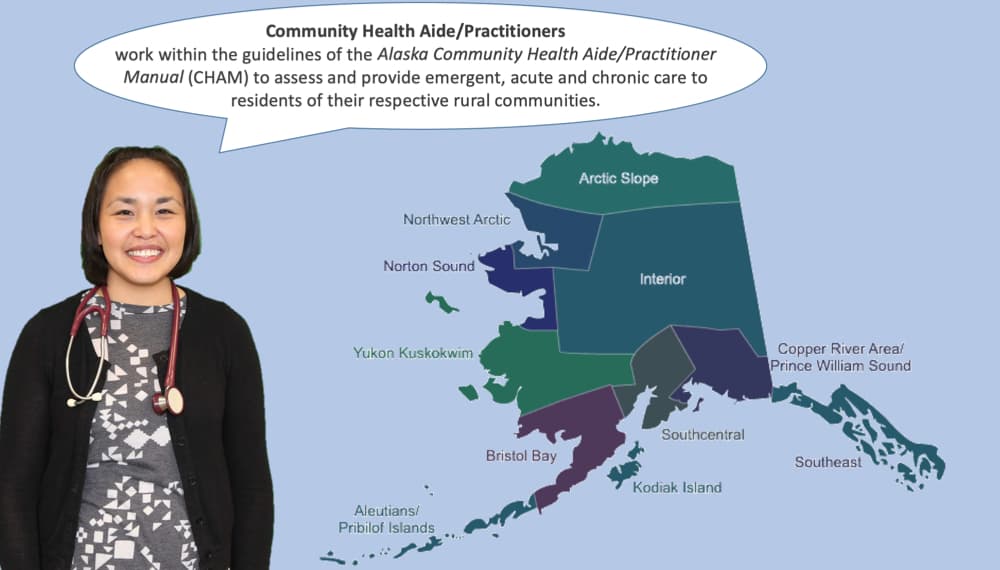
The Community Health Aide Program is one of the clearest examples of how care is delivered outside a central hub. The program provides health care services to villages of the North Slope, excluding Point Hope, and trains its staff with the Alaska Native Tribal Health Consortium, Samuel Simmonds Memorial Hospital, Chief Andrew Isaac Health Center, and other organizations.
That training network matters because it links village-based care to larger health systems while keeping services rooted locally. For residents who may not be able to travel easily for routine care, the community health aide model is often the first point of contact, the place where concerns are caught early, and the bridge to higher-level care when it is needed.
Public health work that reaches beyond clinics
Public Health Nursing is not limited to immunizations or office visits. The borough says its outreach includes traditional food, overdose prevention, and STI-related public health work, which shows how the department is trying to match health services to the realities of life in the Arctic.
That mix is important. Traditional food outreach connects health to local subsistence practices and nutrition. Overdose prevention reflects the need for practical harm-reduction work in a region that, like many others, faces substance-use risk. STI-related work shows the department is also covering sexual health in a public-health frame, not leaving it to crisis care alone.
Behavioral health and the Utqiagvik group home
Behavioral health is one of the strongest signs that the department is thinking about long-term needs, not just short-term treatment. The Behavioral Health Services division says it is working across the North Slope to support individuals, families, and communities, and it collaborates with Hope Community Resources Inc. on a mental health group home in Utqiagvik.
That local residential option is a practical piece of the system. When someone needs more sustained support than an office visit can provide, having a group home in Utqiagvik keeps care closer to family and community ties. It also shows that behavioral health in the borough is not being treated as an abstract policy issue, but as something that requires real beds, staff, and coordination on the ground.
Who answers the phone and where residents start
The department’s contacts page lists Lynette Hepa as director, with Jamie Malabed as assistant to the director, Mariam Valenzuela as deputy director for administration, and April Phillip as deputy director for community health. They share the department’s main number: (907) 852-0344.
That matters because the department functions as a public entry point for residents looking for contact information and general guidance about services. In a borough where a missed call can delay care across distance and weather, a clear contact structure is part of access, not just administration.
Planning shows health is treated as a long game
The department’s current structure sits inside a longer planning framework. A North Slope Borough Comprehensive Plan health and safety chapter covers 2019 to 2039, which shows that health is being treated as a long-term community issue rather than a day-to-day service alone. The borough also has a Baseline Community Health Analysis Report with forum reports for eight North Slope communities, giving planners and health staff a record of local concerns and conditions.
That kind of community-based documentation helps the borough track what residents are dealing with across different villages and service areas. It also gives the department a planning backbone for decisions about staffing, outreach, and where gaps are most likely to hurt people.
Staffing pressure remains part of the story
Behavioral health needs remain active enough that, in October 2024, reporting said the borough aimed to triple the number of clinicians to improve youth mental health services. That goal signals that the system still faces capacity pressure, especially where young people need faster access and more consistent support.
For families, the practical question is not whether the department has a mission statement. It is whether a clinician is available, whether a village health aide can connect someone to the right level of care, and whether support arrives before a problem becomes a crisis. On the North Slope, culturally safe care is measured in access, continuity, and the ability to stay close to home while still reaching higher-level treatment when it is needed.
This article was produced by Prism’s automated news system from verified source data, official records, and press releases, then run through automated quality and moderation checks before publishing. The system is built and supervised by the people who set the standards it runs under. Read our full AI policy.
Did this article answer your question?