North Slope Borough marks Founders’ Day amid land, tax fight
Founders’ Day put the borough’s 1972 charter back in focus as leaders pressed a live question: who controls the land, the tax base and the services it funds?
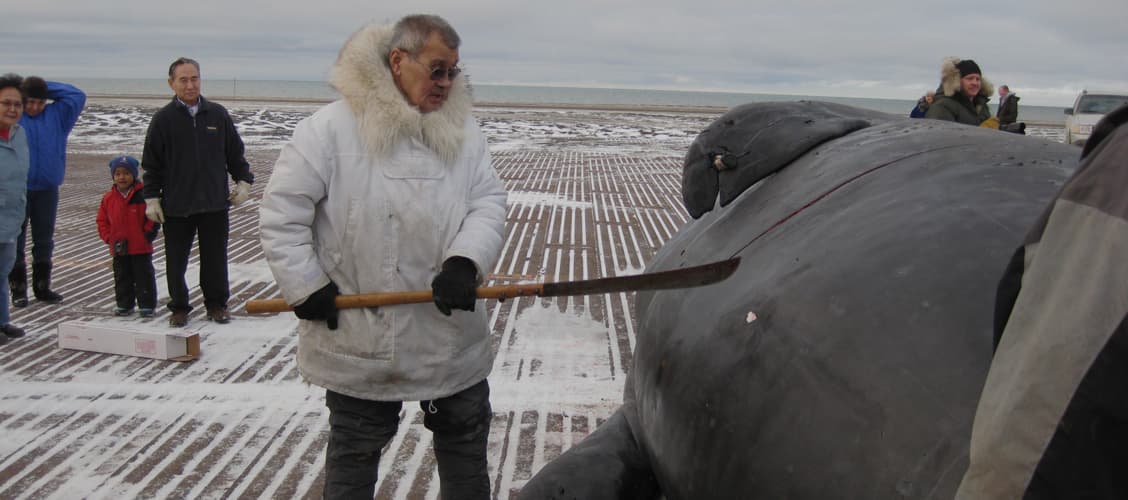
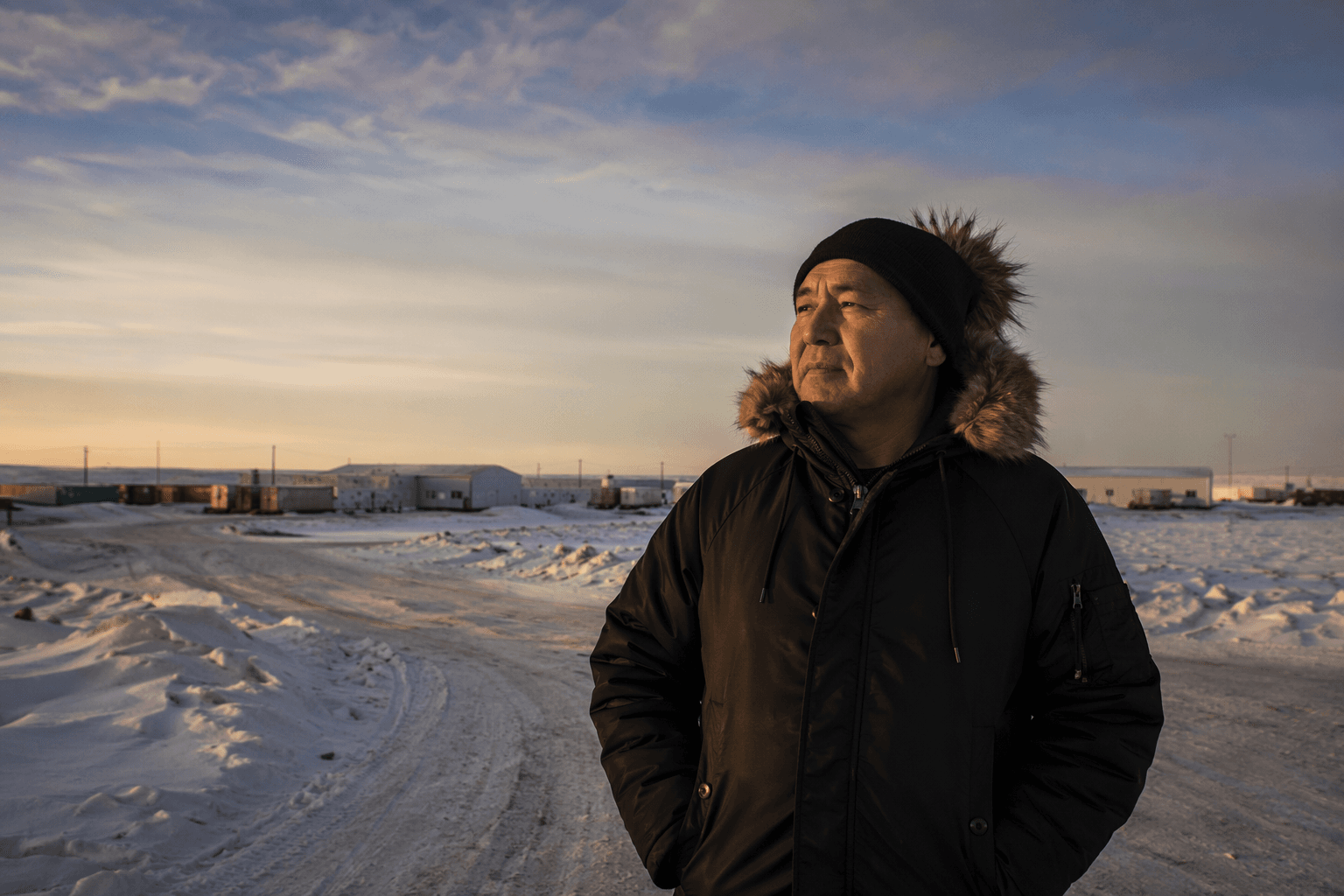
Mayor Josiah Aullaqsruaq Patkotak used Founders’ Day to link the North Slope Borough’s 1972 creation to the same fight that still shapes daily life across the region: who gets a say over land, taxes and industrial projects, and who pays for the services that follow. The borough was officially incorporated on July 2, 1972, after an election that gave it first-class status and the powers to plan, zone, tax and run schools.
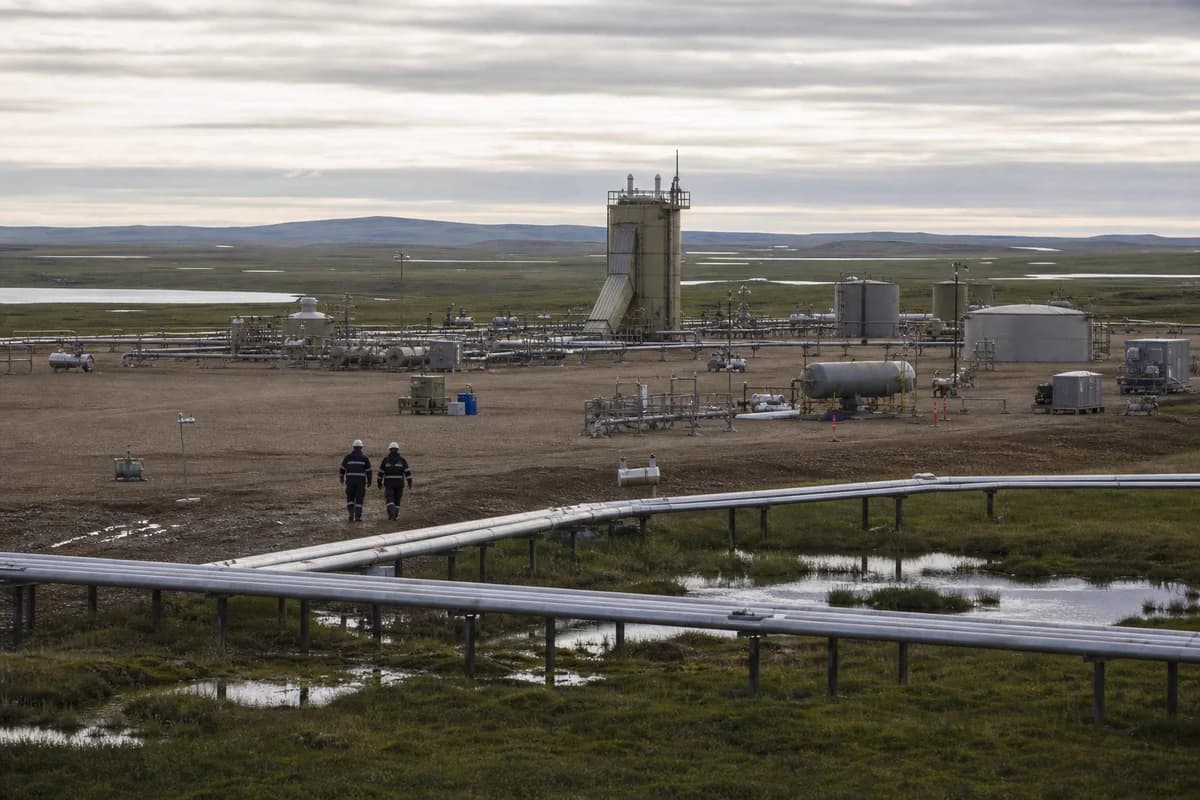
That structure still drives the borough’s finances. The borough says property tax revenue makes up about 90 percent of operating revenues, and legislative summary material says oil and gas infrastructure accounts for more than 90 percent of borough tax receipts. On the North Slope, that is not an abstract budget detail. It is the money that supports schools, public safety and utilities in eight communities: Anaktuvuk Pass, Atqasuk, Kaktovik, Nuiqsut, Point Hope, Point Lay, Utqiagvik and Wainwright.
Utqiagvik remains the borough seat and its economic, transportation and administrative center, but the borough’s tax base reaches far beyond town. Prudhoe Bay, the largest oil field in the United States, sits in the northeastern portion of the borough, alongside Kuparuk and the industrial corridor that still dominates the local economy. The borough says about 4,000 additional residents are counted because they work at least half the year in the Prudhoe Bay and Kuparuk oil fields, a reminder that the borough’s population and revenue base are tied closely to development on the tundra.
The anniversary also pointed back to the borough’s political origins under Mayor Eben Hopson Sr. and other Iñupiat leaders, who built a framework meant to secure local benefits, environmental protections and respect for subsistence resources while pressing for a meaningful voice over decisions affecting lands, waters and people. Those same tensions remain visible as gas-line negotiations and other industrial planning continue beyond the borough, with residents still living inside the consequences of decisions made elsewhere.
North Slope officials also framed local control in practical terms. The borough’s fire department says it provides emergency medical response, rescue operations, fire suppression, prevention and training. Its search-and-rescue department says it provides rapid airborne response to medevac and emergency situations across the North Slope, and the aeromedical program links fire and rescue crews to transport patients from villages. On a borough where land, taxes and industrial projects are inseparable from daily life, Founders’ Day served as a measure of whether local control still delivers when the call comes in.
This article was produced by Prism’s automated news system from verified source data, official records, and press releases, then run through automated quality and moderation checks before publishing. The system is built and supervised by the people who set the standards it runs under. Read our full AI policy.
Did this article answer your question?