North Slope Borough page tracks federal oil and gas policy
The borough’s Federal Oil & Gas Activities page is a road map to offshore decisions that can affect subsistence, local revenue and community voice across the North Slope.
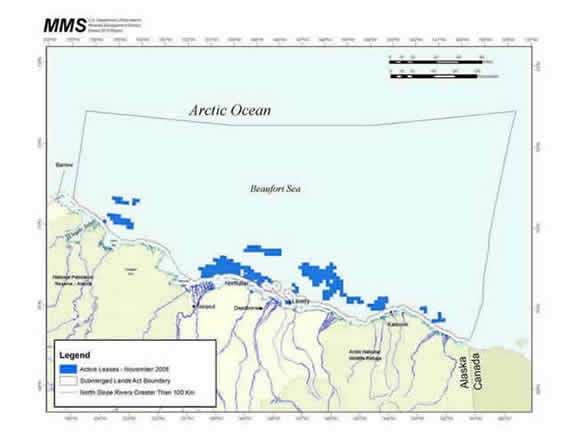
The North Slope Borough’s Federal Oil & Gas Activities page ties the White House Council on Environmental Quality’s 2009 Interim Report of the Interagency Ocean Policy Task Force to Anchorage and Barrow listening sessions, placing that history beside borough concerns about leasing, wildlife and subsistence on the North Slope.
Why the page matters in a borough where land and sea decisions are local
The page sits inside the North Slope Borough Department of Wildlife Management and the borough’s “Other Topics of Interest” section, which tells readers that oil and gas is treated as more than an energy issue. It is also a land-use question, a wildlife question and a community question, with direct consequences for food security, travel routes and the timing of development.
Federal decisions can reach into daily life quickly. Lease sales, exploration plans and offshore policy can shape the pace of drilling, the degree of consultation with Iñupiat communities, and the risks and opportunities that come with Arctic development. For a region that depends on fish, caribou and marine mammals, the same decisions can also affect subsistence safety and the public conversation around local revenue and employment.
The borough’s own oil and gas framework
The Wildlife Management department’s mission is to ensure the sustainable harvest and health of fish and wildlife populations through scientific research, Indigenous knowledge and community leadership. That mission explains why the borough keeps oil and gas material alongside wildlife content instead of separating the two. On the North Slope, industrial policy and subsistence policy overlap in the same waters and on the same land.
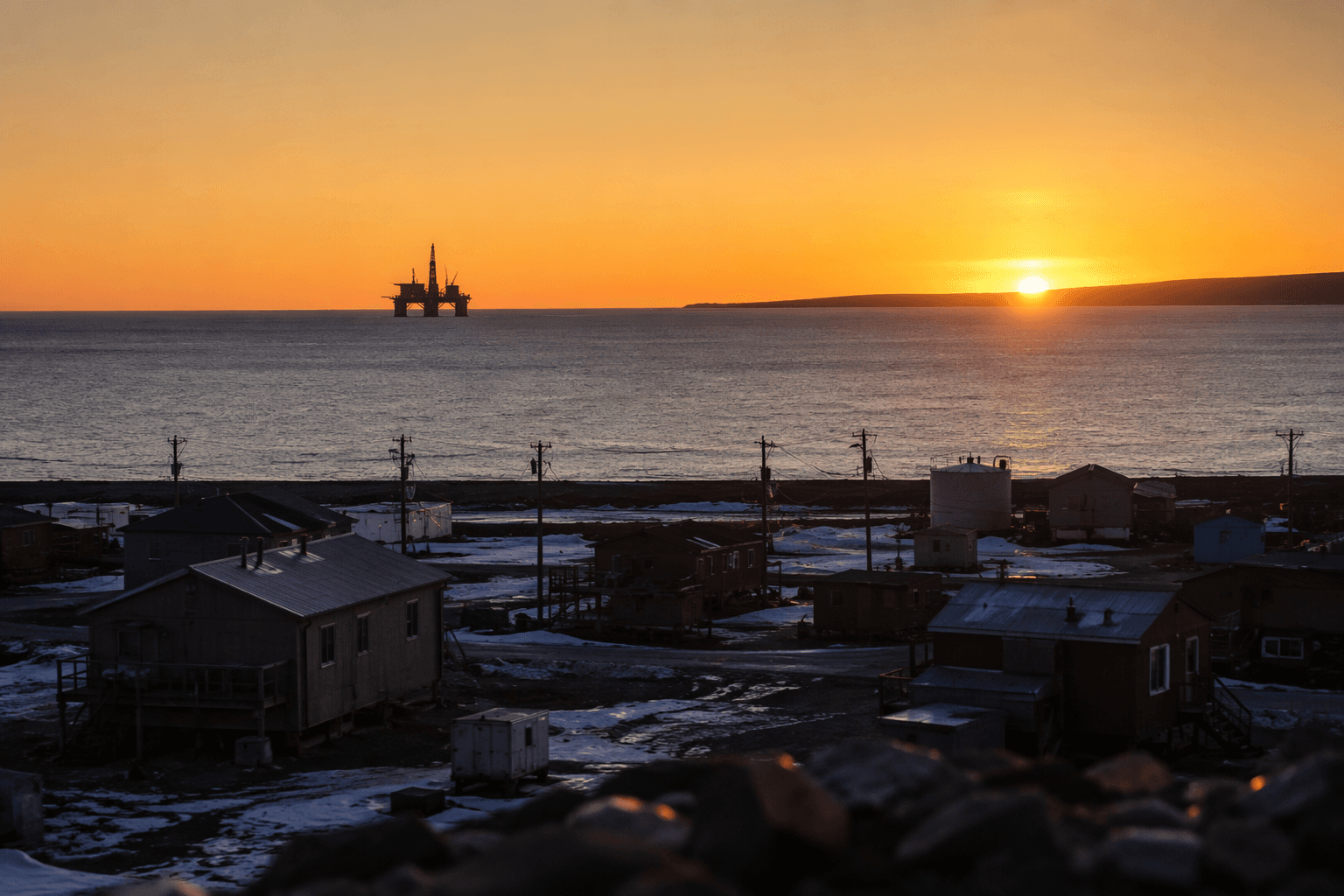
The borough’s separate Oil & Gas Activity page gives a broader picture of what it follows. It covers oil and gas leasing, exploration and development on the North Slope of Alaska and in adjacent marine waters, and the list is not comprehensive. Together, the two pages function as a borough filing cabinet for energy issues that are often scattered across federal agencies and technical documents.
The borough’s Oil and Gas Technical Report for the National Petroleum Reserve-Alaska puts the NPR-A at 23 million acres, or about 38% of the North Slope Borough. It was written to guide future oil and gas activities there, including the long-term question of how the region prepares for the eventual departure of the oil and gas industry as well as for active development.
A long history of consultation, not a one-off meeting
The borough’s approach to oil and gas has been built through repeated public meetings. In the Technical Report appendix, borough-held community meetings took place between March and August 2006 in Nuiqsut, Barrow, Anchorage, Atqasuk and Wainwright. The process also included focus-group meetings in September 2006 and a Traditional Knowledge Workshop in Anchorage in September 2007.
The borough kept that pattern going with an Oil Spill Workshop in Barrow on Nov. 8-9, 2012. The workshop summary records more than 60 participants from all seven communities in the North Slope Borough. Later forums carried the same theme forward: the 2018 Oil and Gas Forum in Anchorage was titled “Continuing the Dialog,” and the 2022 forum was titled “Planning Together for Tomorrow’s Energy.”
What the borough is asking of offshore developers
The borough’s Arctic Offshore Oil and Gas Development Policy Positions Summary calls for baseline scientific research before new offshore activity begins, supports collaborative research and data sharing through the North Slope Science Initiative, and says OCS production should use pipelines to shore-based facilities rather than tanker transportation.
Baseline research gives communities a reference point before development changes the environment. Data sharing through the North Slope Science Initiative makes scientific work easier to compare across agencies and seasons. The pipeline preference points to a transport choice that avoids tanker traffic, which is central to concerns about spill response and marine risk.
What readers can use the page for, and where the gaps remain
The page is most useful as a starting point for following federal oil and gas decisions that affect the North Slope. It gathers policy references, points back to listening sessions, and places offshore development inside the borough’s broader wildlife and community agenda. That makes it easier to connect a federal memo or leasing decision with the local stakes in Utqiaġvik, Nuiqsut, Atqasuk and Wainwright.
The borough’s own oil and gas activity listings are informational and not comprehensive, so the page works best as a reference point rather than a full live record of every lease, permit or consultation step. Residents still have to follow the broader paper trail across borough materials and federal agencies, but the borough has already done the work of showing where the major issues sit.
This article was produced by Prism’s automated news system from verified source data, official records, and press releases, then run through automated quality and moderation checks before publishing. The system is built and supervised by the people who set the standards it runs under. Read our full AI policy.
Did this article answer your question?