Small permit steps keep North Slope oil footprint growing
Two ConocoPhillips gravel requests could add more than 21,000 cubic yards of fill at Kuparuk and Oliktok Point, extending the slope’s industrial footprint in small steps. Comment deadlines run to July 26 and July 31.
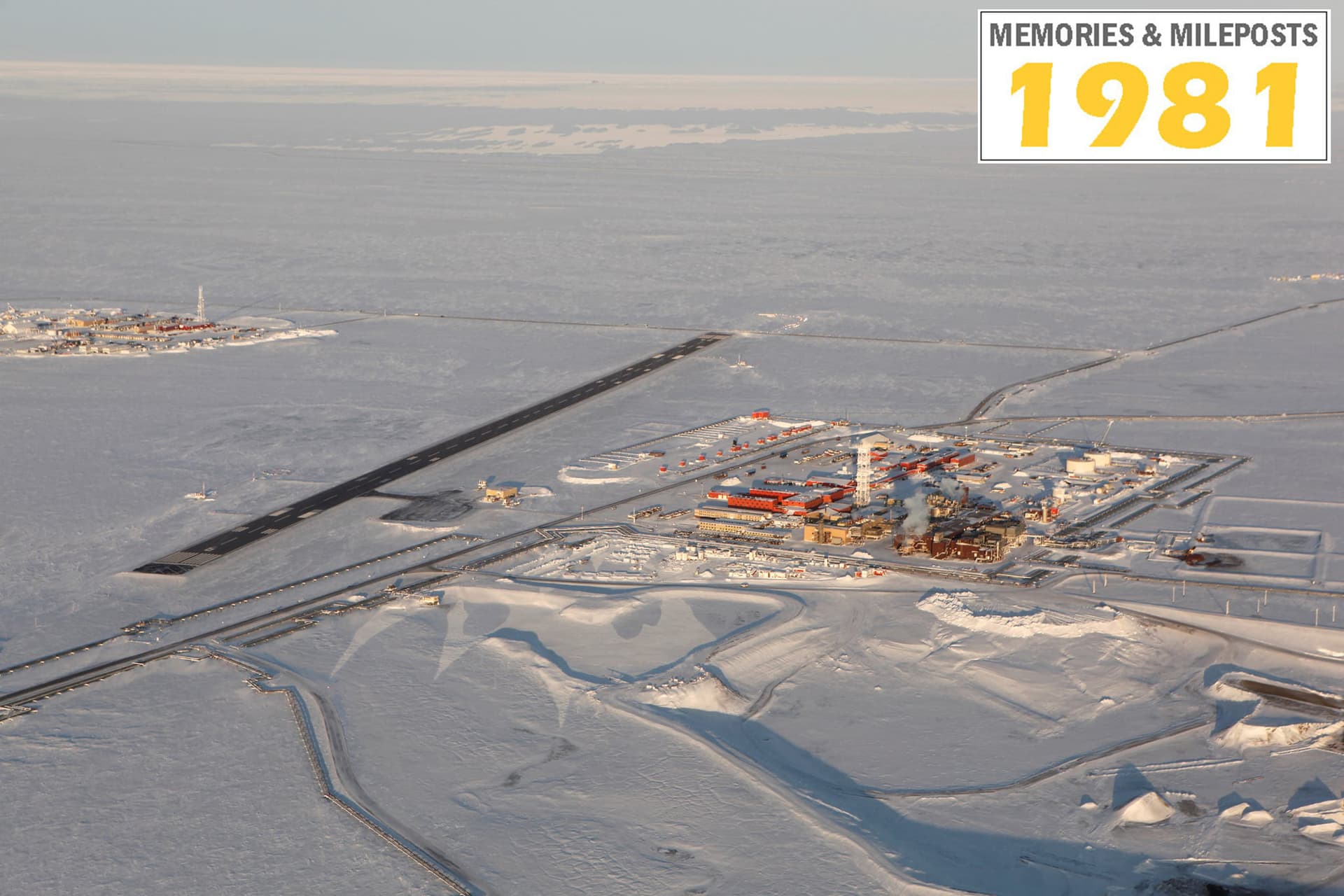
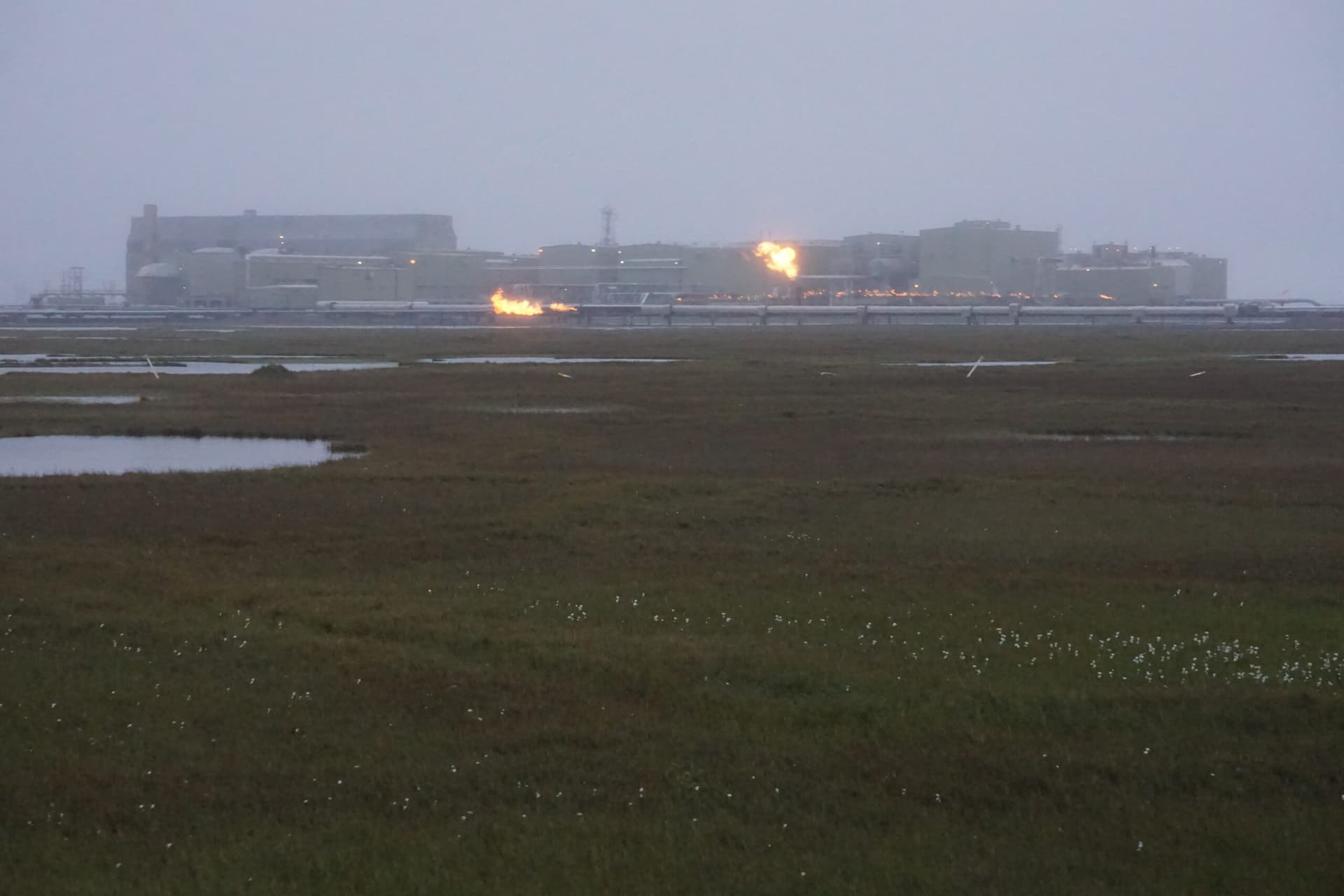
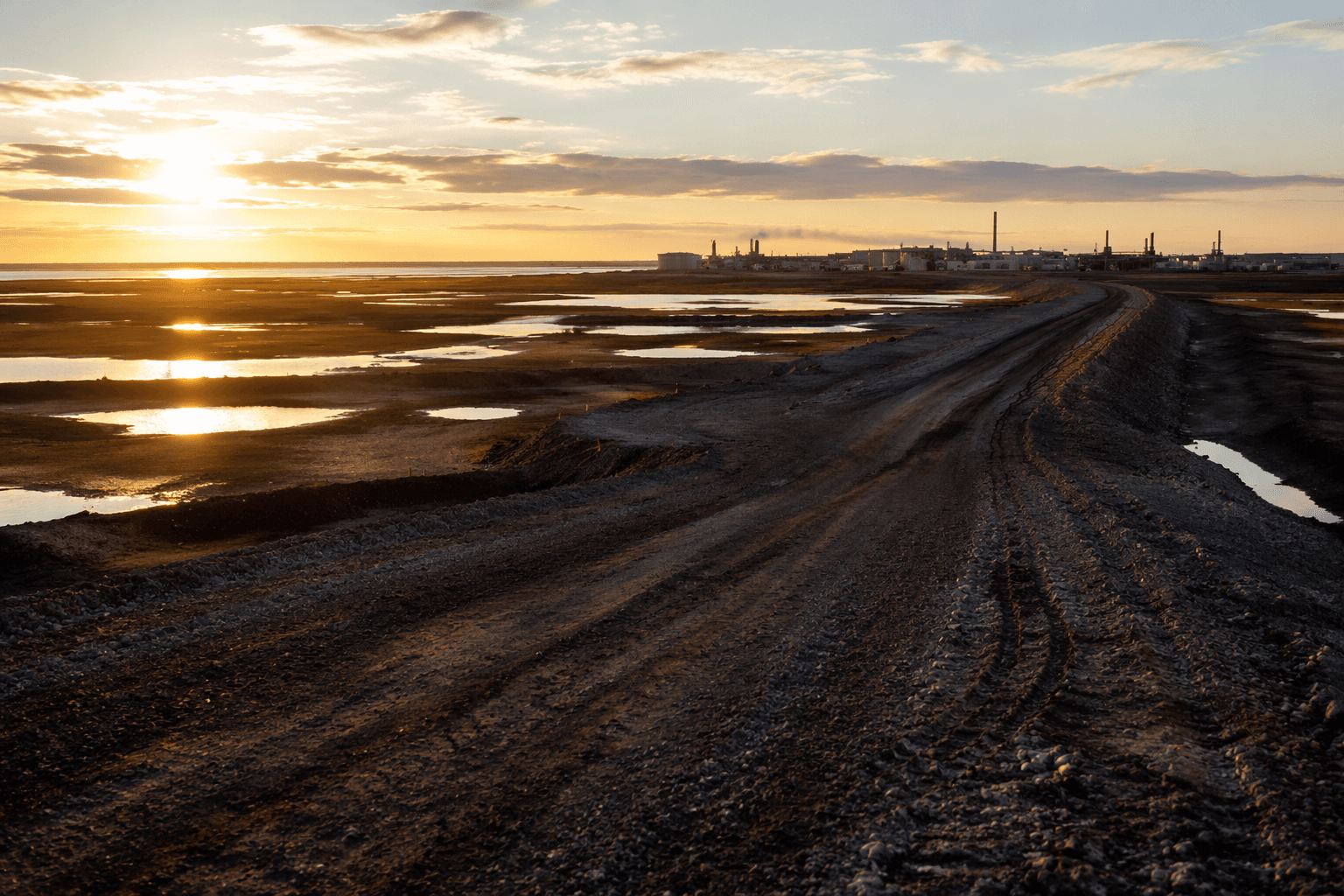
ConocoPhillips Alaska filed two separate gravel requests that would push more industrial surface onto the North Slope, one at the Kuparuk River Unit CPF2 pad and another at the 12-Acre Pad near Oliktok Point. The first proposal seeks about 10,300 cubic yards of clean gravel fill to maintain and expand the CPF2 pad, widen the east side roadway for equipment access, and improve surface space for planned future seawater transport infrastructure. The second would expand the existing 12-Acre Pad by 1.1 acres using 11,490 cubic yards of gravel.
The CPF2 application was filed June 10 with the Alaska Department of Natural Resources Division of Oil and Gas, and written comments are due by 4:30 p.m. Alaska Daylight Time on July 26. The 12-Acre Pad proposal is open for comment until 4:30 p.m. Alaska Standard Time on July 31. ConocoPhillips says no work would occur off the existing gravel footprint at the 12-Acre Pad, but the plan would still enlarge the pad that sits about 1.7 miles southeast of Oliktok Point.
Those are not headline megaprojects, but on the North Slope they are the kind of incremental decisions that add up. A widened road shoulder at CPF2 changes how equipment reaches the pad. A few thousand more cubic yards of gravel can mean more traffic, more support space, and a sturdier base for future wells or utilities. Step by step, the industrial edge advances without ever looking like a single giant expansion.
The borough’s finances show why these small moves matter beyond the pad itself. North Slope Borough budget materials say property tax revenue makes up about 83% of operating revenues, and the 2025-2026 budget used an estimated oil and gas assessed value of $25.3 billion. Alaska law imposes a 2% property tax on oil and gas exploration, production, and pipeline transportation property, tying local government revenues directly to the scale of industrial development.
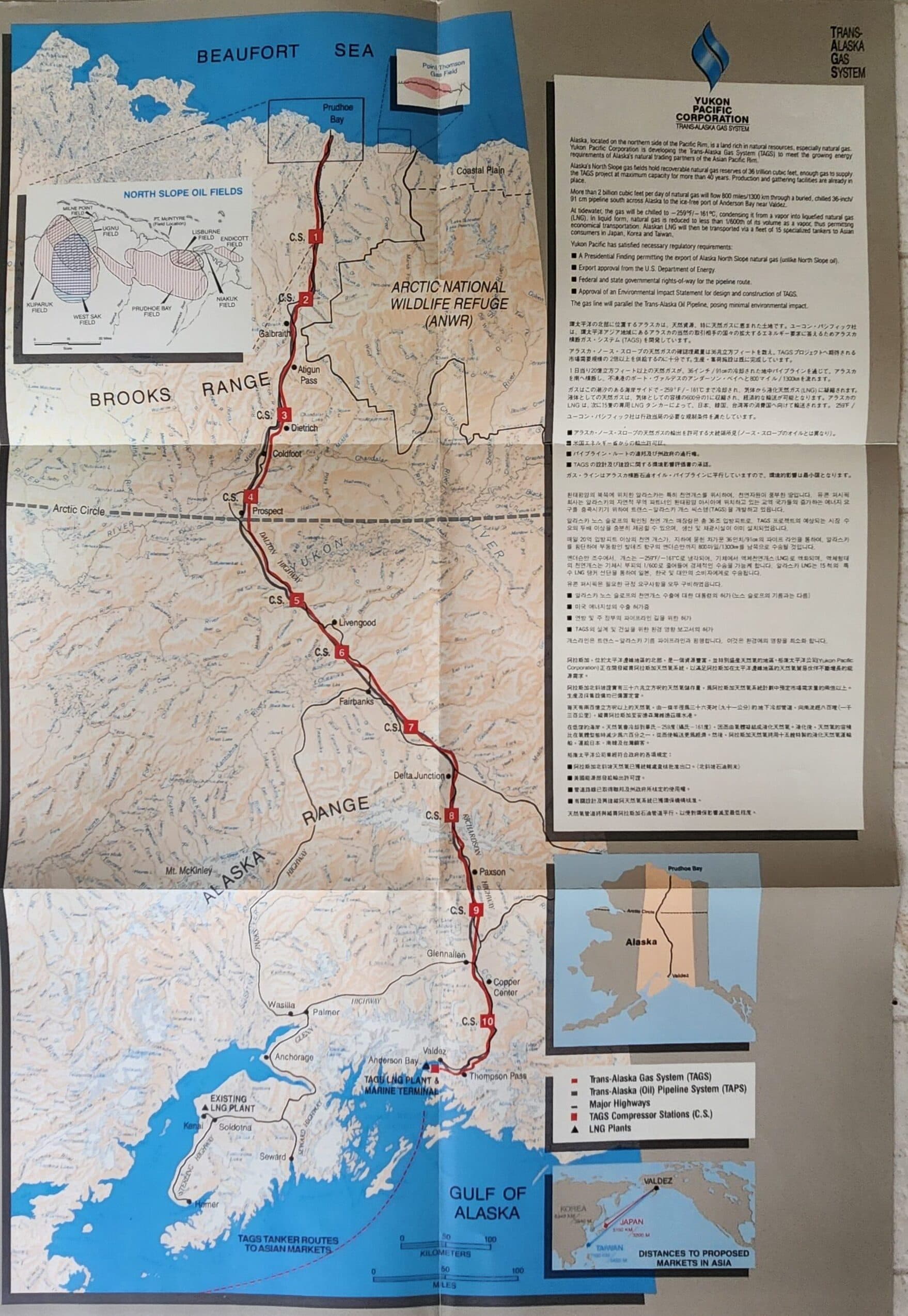
Statewide spending tied to North Slope oil also remains large. The Alaska Department of Revenue’s Spring 2025 forecast estimated allowable lease expenditures at $7.5 billion statewide in FY 2024, including $7.1 billion on the North Slope, and projected $8.6 billion statewide in FY 2025, including $8.2 billion on the North Slope. The Trans-Alaska Pipeline System first carried oil in June 1977, and the pattern since then has been steady buildout and constant maintenance, not just one moment of discovery.
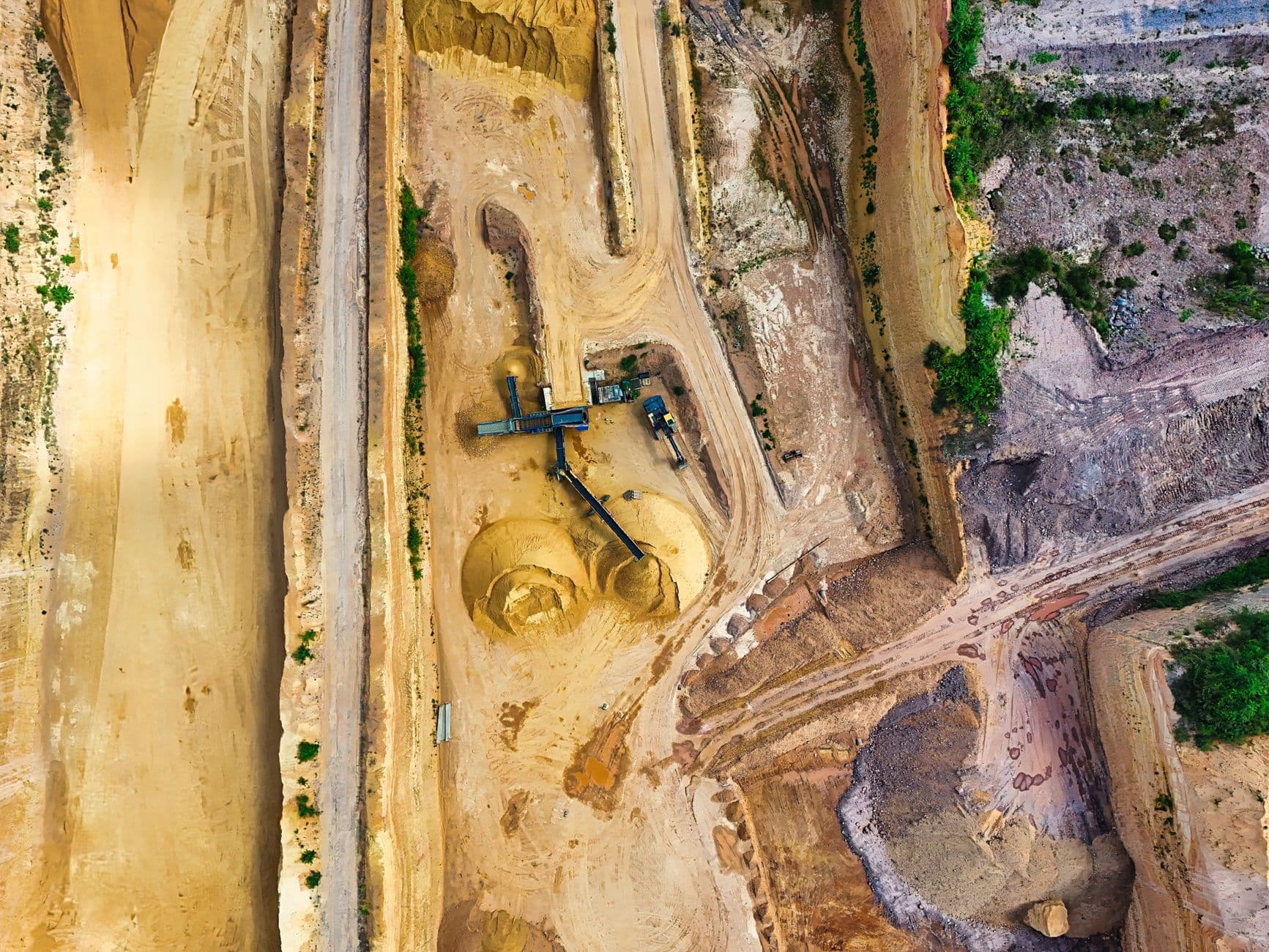
The North Slope Borough’s own oil-and-gas activity resources and land-and-gravel permit system reflect that reality. For residents, the important question is not whether one pad moves a lot of earth, but how many small permits come next, and what they mean for traffic, access, subsistence, and the industrial footprint around communities that live with the consequences every day.
This article was produced by Prism’s automated news system from verified source data, official records, and press releases, then run through automated quality and moderation checks before publishing. The system is built and supervised by the people who set the standards it runs under. Read our full AI policy.
Did this article answer your question?