North Slope gas pipeline rates face 160 percent hike review
Oliktok Pipeline Company asked Alaska regulators to raise North Slope transport rates by about 160 percent, with comments due July 21 before an August 1 effective date.
Oliktok Pipeline Company filed revised transportation rates for North Slope pipeline segments, asking the Regulatory Commission of Alaska to approve increases that are roughly 160 percent higher. If regulators grant the request, the new rates would take effect on August 1.
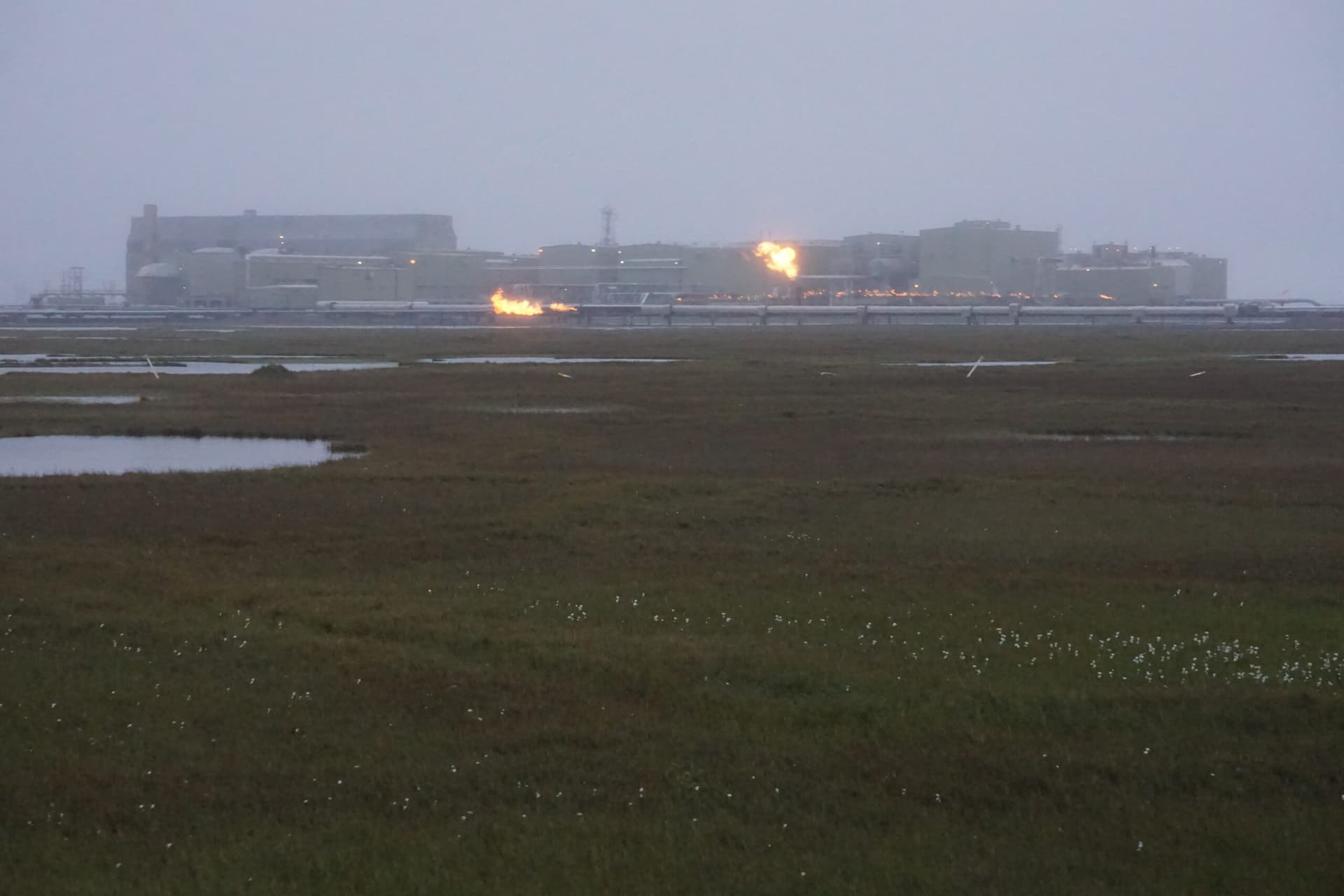
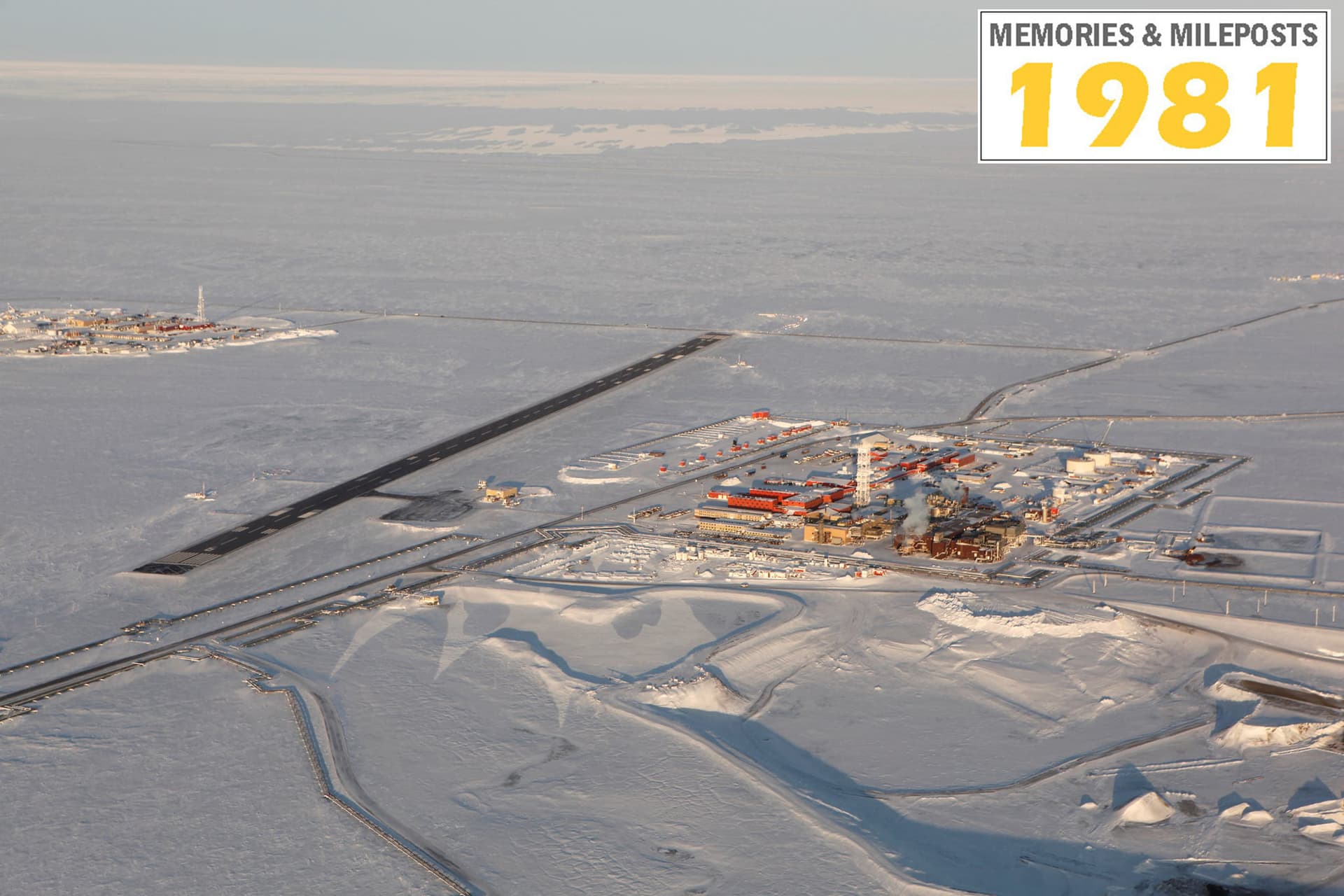
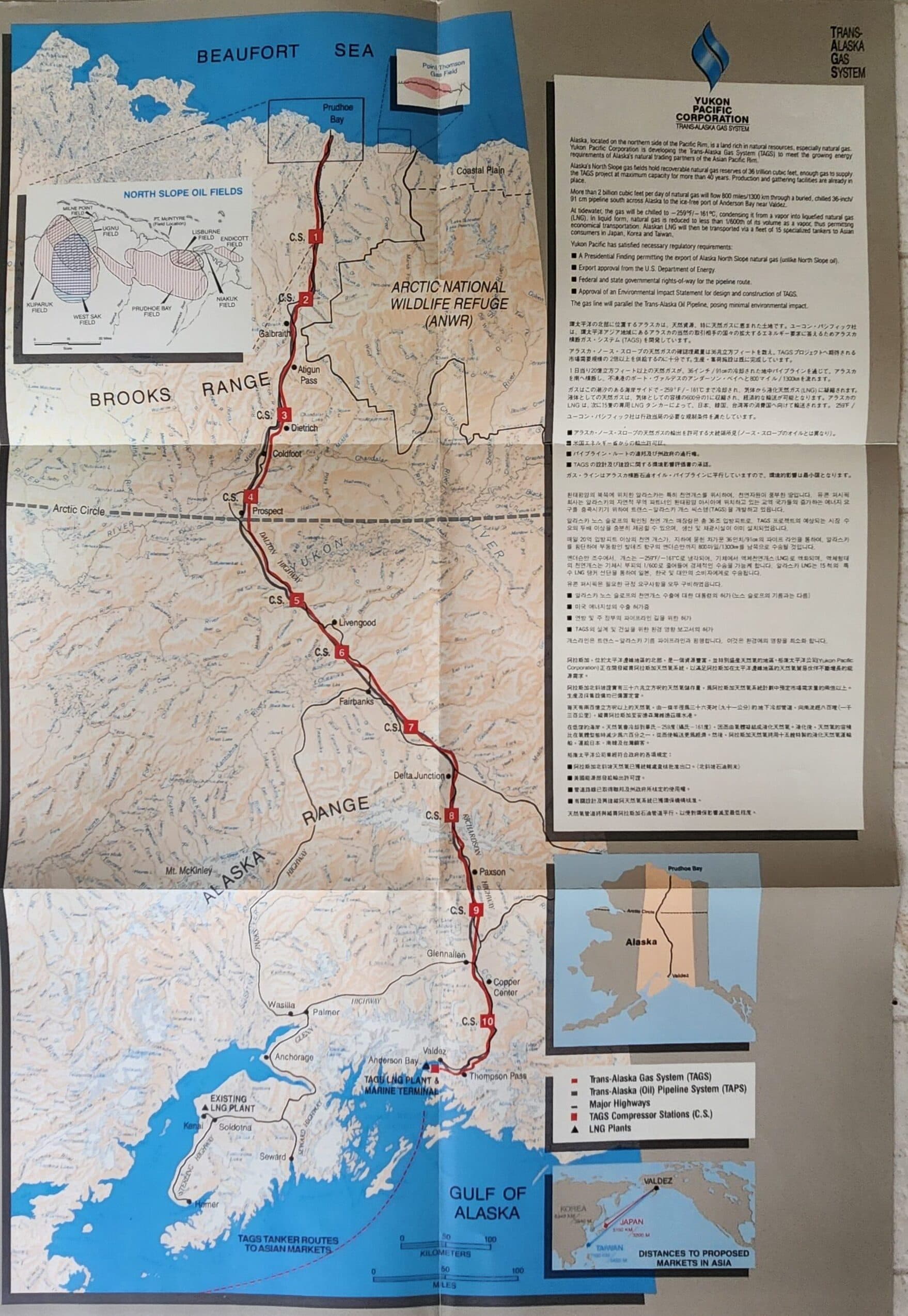
The filing reaches beyond a paper rate case because it touches the network that moves gas and other production volumes around the North Slope, including shipments tied to Prudhoe Bay. Even modest changes in transportation charges can compound quickly across the large volumes that move through the field, raising costs for producers that rely on the system every day.
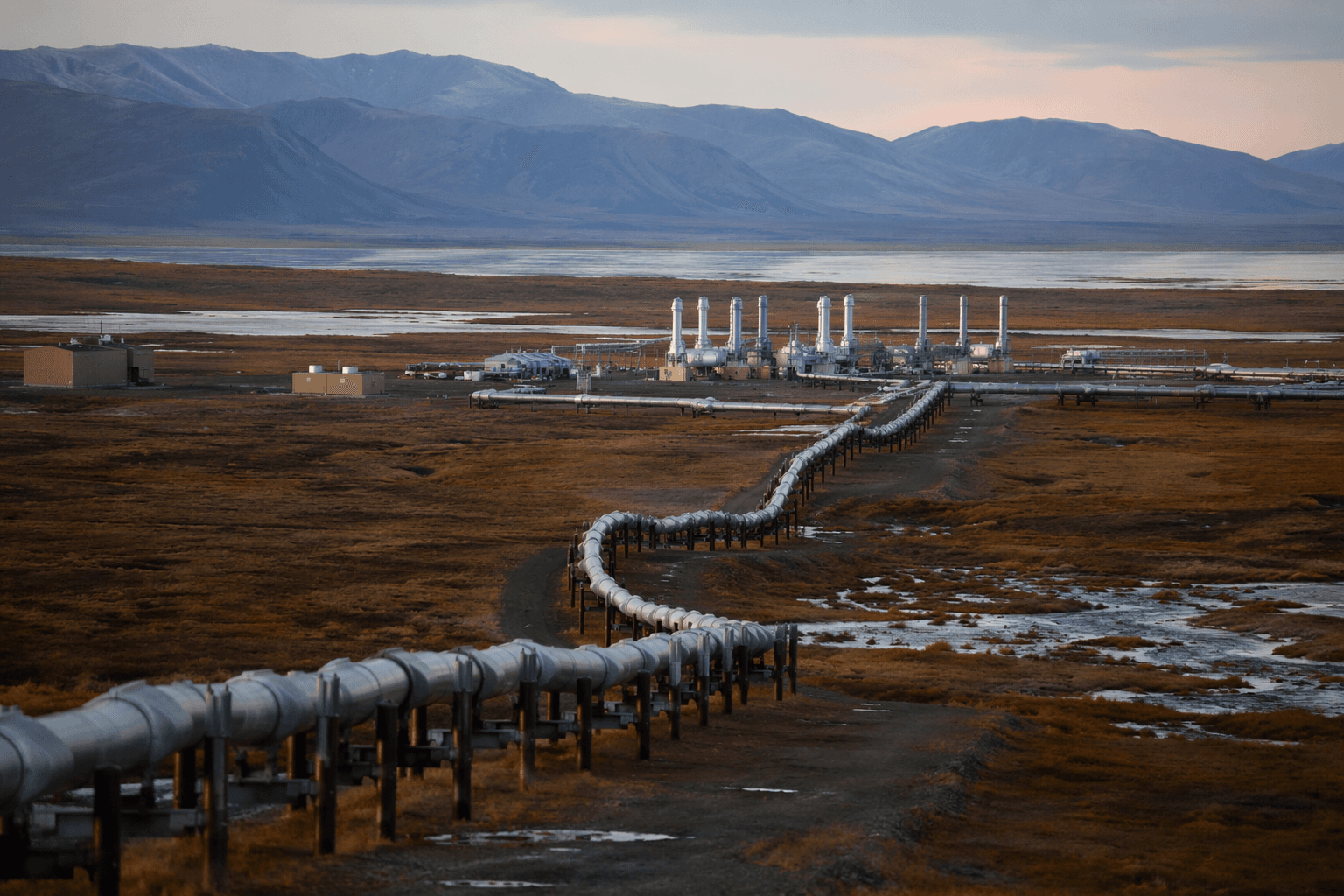
That cost pressure matters in a region where pipeline fees feed directly into the economics of oil and gas production. Higher transport rates can squeeze operating margins, and that can ripple into maintenance decisions, drilling plans and future investment across the North Slope industrial base.
The stakes also extend to public finance. When transportation costs rise, the return from North Slope production can tighten, which can affect state royalty and tax revenue even if output stays steady. That makes the rate filing relevant not only to operators and shippers, but also to borough leaders, state policymakers and residents who depend on oil-field activity for jobs and public services.
The comment window is short. Public comments are due July 21, giving communities, tribal entities, local businesses and other stakeholders only a limited time to weigh in before the requested August 1 effective date. For anyone tied to North Slope energy operations, the question is not simply whether the rate hike is large on paper, but how much added cost the pipeline network can absorb before it starts changing the economics of work on the slope.
This article was produced by Prism’s automated news system from verified source data, official records, and press releases, then run through automated quality and moderation checks before publishing. The system is built and supervised by the people who set the standards it runs under. Read our full AI policy.
Did this article answer your question?