State investigation confirms North Slope oil company wasted gas for months
Alaska fined a North Slope operator $357,905 after investigators said it burned gas for months instead of reinjecting it. The case raises royalty, revenue and emissions concerns.
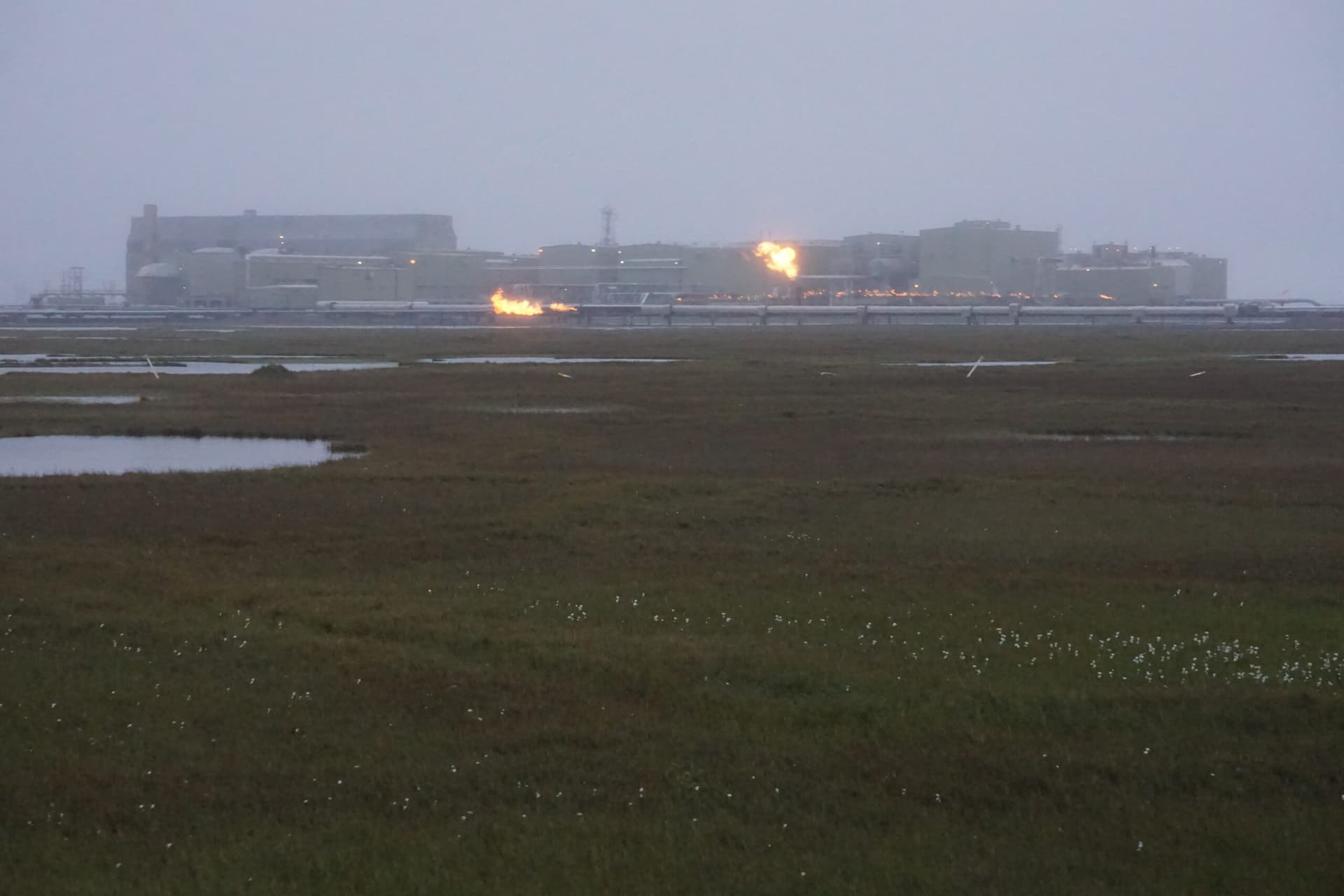
Alaska regulators fined a North Slope oil field operator $357,905 after an investigation found the company wasted natural gas for roughly four months and flared it for economic reasons rather than safety. The Alaska Oil and Gas Conservation Commission concluded the gas should have been captured and sent back underground through a vapor recovery unit that failed.
The case matters far beyond one well pad. On the North Slope, every cubic foot of gas can affect state royalties, borough revenue and the debate over how much flaring should be tolerated at Arctic oil fields, where development sits alongside subsistence hunting, airport access and fragile infrastructure.
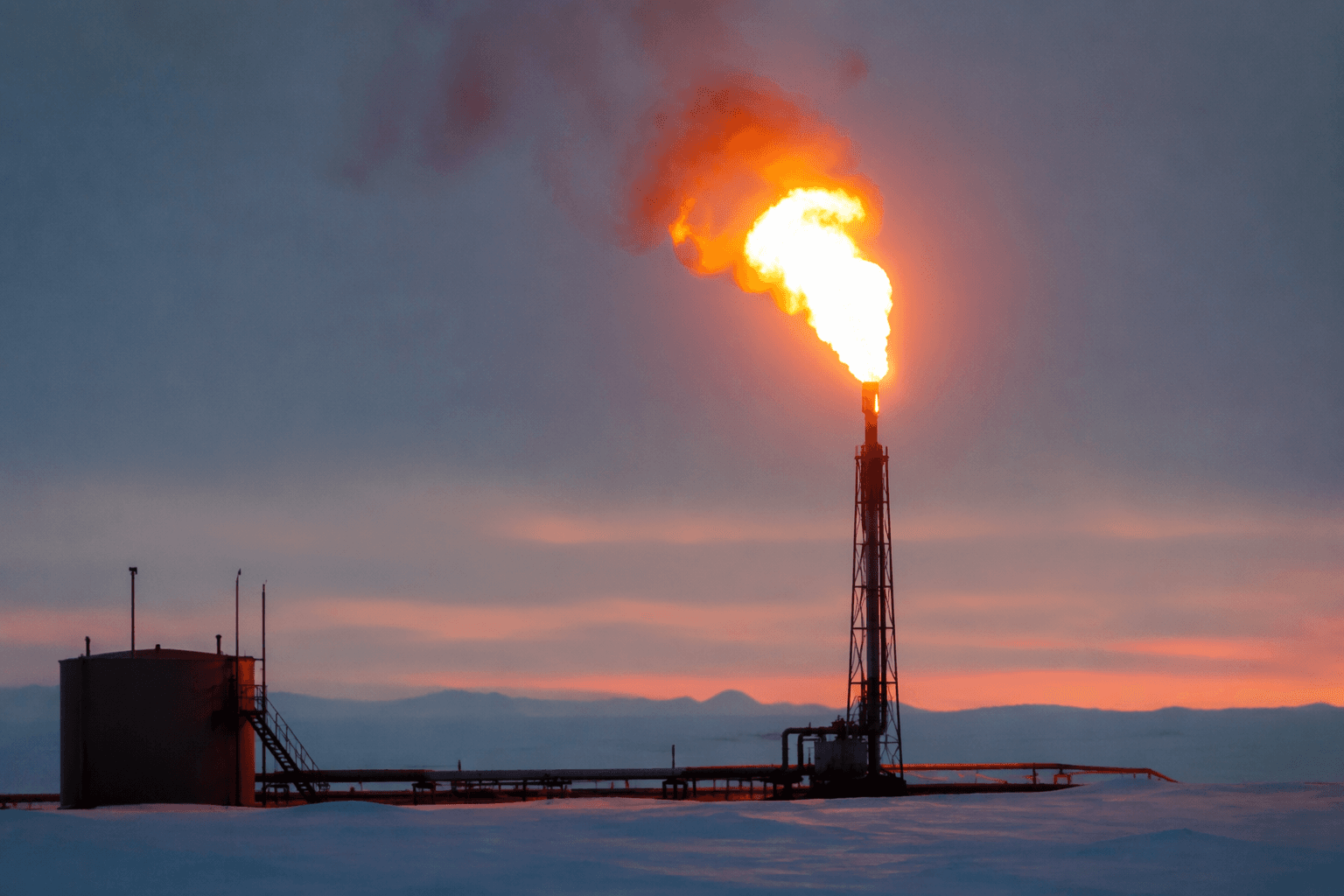
The commission’s finding turned the incident into a regulatory violation, not just an operational setback. A separate account of the case said the company was ordered to pay the fine for illegally flaring natural gas over a six-month period, underscoring that regulators treated the waste as a sustained problem that called for enforcement.
For North Slope communities including Utqiagvik, Wainwright, Point Hope and Prudhoe Bay, gas losses are watched closely because they speak to whether operators are meeting the standards expected in a region that supplies so much of Alaska’s tax base. The public concern is not only about pollution from flaring, but about whether state oversight is strong enough to prevent avoidable waste of a public resource.
The violation also lands in a broader enforcement pattern. In a separate 2025 Alaska case, Cook Inlet Energy was fined more than $350,000 for flaring too much natural gas at the Badami field between October 2024 and March 2025. Together, the cases show regulators have been more willing to impose financial penalties when operators burn gas that should have been captured or managed differently.
For the North Slope, the bottom line is straightforward: gas that is wasted at an oil field is gas that does not generate the same public return, and each enforcement action becomes another test of whether Alaska can police one of its most important industries.
This article was produced by Prism’s automated news system from verified source data, official records, and press releases, then run through automated quality and moderation checks before publishing. The system is built and supervised by the people who set the standards it runs under. Read our full AI policy.
Did this article answer your question?