North Slope Borough public works keeps essential services running
Public Works is the borough system that keeps water, roads, buildings and sanitation working across North Slope villages and Prudhoe Bay.

On the North Slope, public works is not a background office. It is the layer of municipal service that keeps water moving, buildings usable, roads passable and sanitation under control when weather, distance and permafrost make every repair harder. The North Slope Borough says that mission is to sustain and improve residents’ quality of life by delivering a comprehensive range of essential municipal services.
Why public works matters in daily life
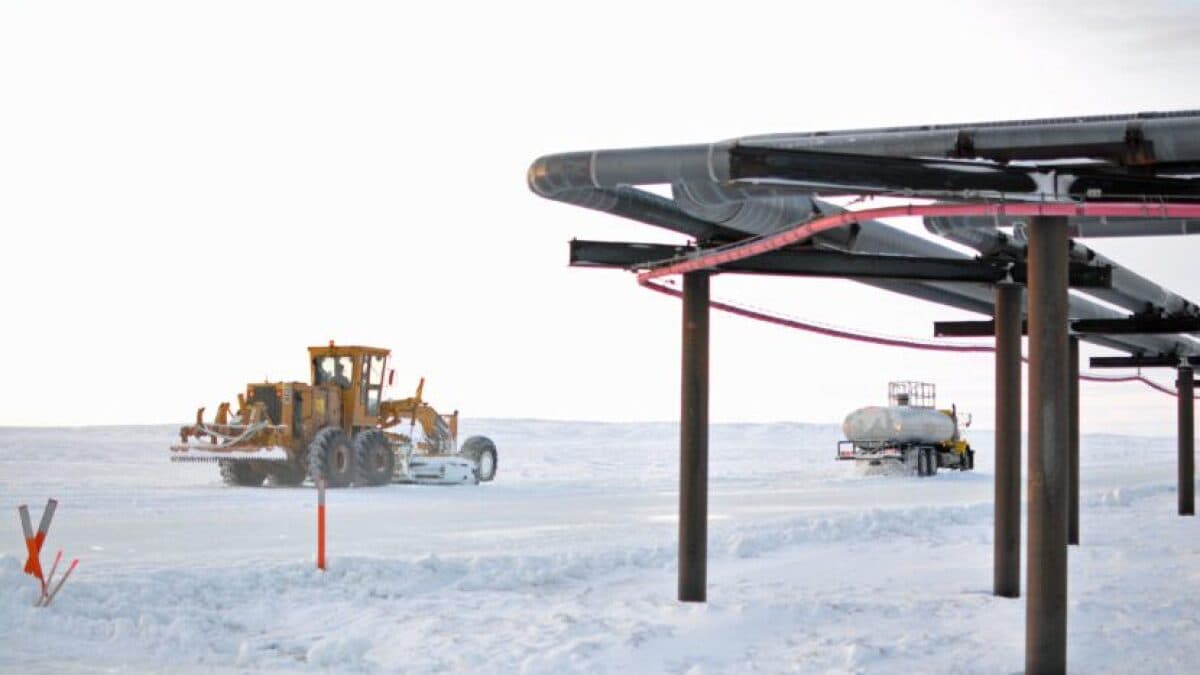
The practical stakes show up fast when a system fails. A problem in water and sewer service can affect heating, sanitation and basic household routine, while a blocked road or strained air access can slow emergency response and leave communities with fewer alternatives. The borough’s own framing makes clear that public works is about more than paving and patching: it is the set of systems that keeps Utqiagvik, Wainwright, Point Hope and the other villages functioning in an Arctic environment where maintenance has to contend with permafrost, severe weather, isolation, transportation limits and high costs.
That is why borough leaders treat infrastructure as a core public service rather than a side function. In a place where families depend on reliable utilities, well-maintained facilities and dependable access routes, the condition of public works shapes health, safety and the borough’s ability to respond when something goes wrong.
The eight divisions behind the work
The department is organized into eight divisions: Central Office & Administration; Facility Maintenance; Water & Sewer; Power Generation & Distribution; Fuel & Natural Gas; Roads, Airports & Sanitation; Equipment Maintenance; and Industrial Development and Service Area 10. That structure shows how broad the borough’s operational responsibilities really are, reaching from facilities and fleets to utilities, access routes and industrial services.
A few of those divisions carry especially direct consequences for households and community buildings:
- Water & Sewer handles the operations and maintenance of water and wastewater treatment, along with piped distribution and piped collection systems in all villages.
- Facility Maintenance maintains and repairs all North Slope Borough-owned facilities except North Slope Borough School District facilities, and it does so through an aggressive preventative maintenance program.
- Equipment Maintenance keeps heavy and light-duty equipment in optimal working condition so it can perform tasks essential to the department.
- Roads, Airports & Sanitation sits at the point where transportation and waste handling meet, two functions that matter immediately when a community has limited alternatives.
The remaining divisions, Power Generation & Distribution and Fuel & Natural Gas, underline how closely the department is tied to energy infrastructure. On the North Slope, heat and power are not abstract utilities; they are part of winter safety, building function and the ability to keep community services open.
Water, buildings and the systems residents feel first
Water and sewer service is one of the clearest examples of invisible infrastructure with visible consequences. The borough’s Water & Sewer division is responsible for treatment, piped distribution and piped collection across all villages, which means the work stretches beyond one town site and into every community the borough serves. When that system is working, households can count on a basic level of normal life; when it is strained, the effects reach quickly into sanitation, comfort and public health.
Facility Maintenance is equally central because public buildings are part of daily life in a remote borough. The division maintains and repairs borough-owned facilities, except school district buildings, and the preventative approach matters in a region where deferred maintenance can turn into a larger safety problem. A heating issue, a roof problem or a failing mechanical system is not just an inconvenience in the Arctic climate, it can affect whether a building stays usable at all.
Equipment Maintenance keeps the department’s own machinery ready for work. That includes the heavy and light-duty equipment needed for repairs, hauling, road work and other tasks that support villages across the borough. In a setting where equipment downtime can slow multiple services at once, keeping those assets in working order is part of keeping the public works system itself functional.
Prudhoe Bay and Service Area 10
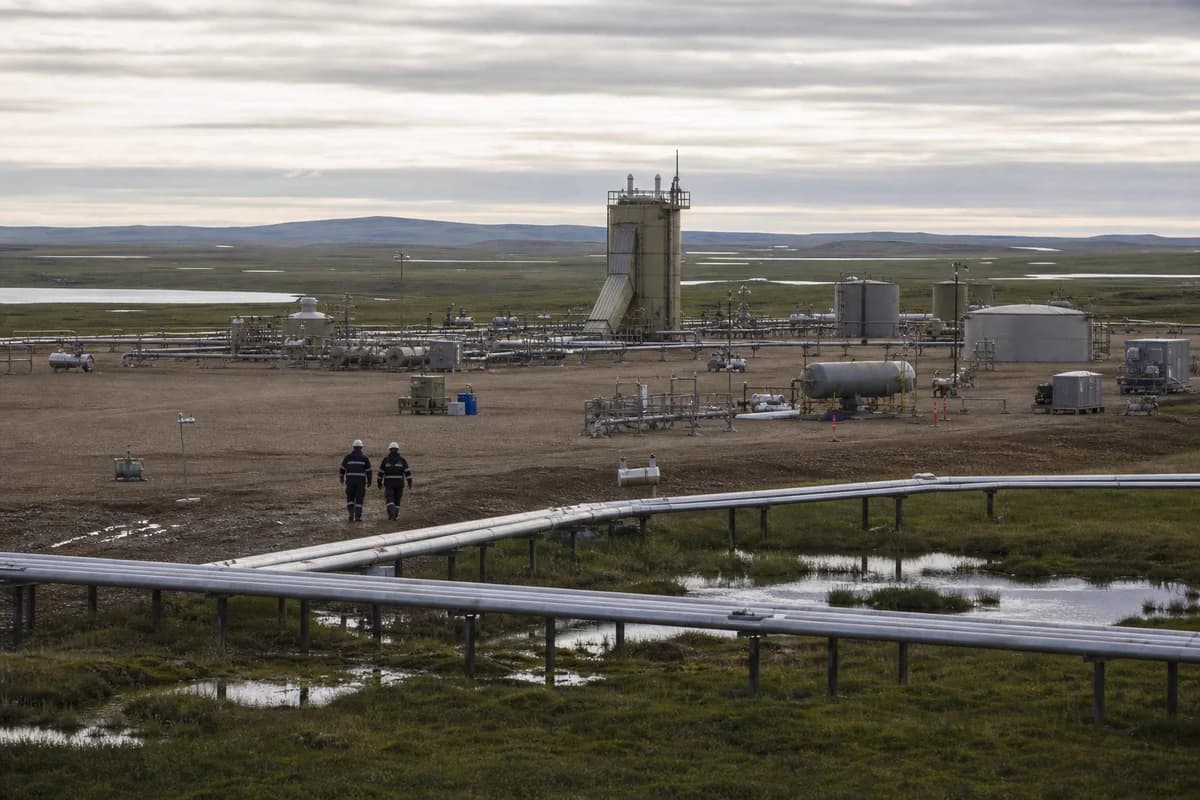
Public works also reaches beyond villages into Prudhoe Bay through Service Area 10. That operation provides utilities and waste management services focused on safety and environmental compliance for industrial clients, a reminder that the borough’s infrastructure responsibilities include major industrial activity as well as community service.
Service Area 10 operates a Water Plant, a Wastewater Plant, the Service Area 10 Hotel and the Oxbow Landfill. Those assets show how broad the department’s footprint is in the Prudhoe Bay area, where service delivery has to address both operational reliability and environmental rules. The landfill, the water systems and the wastewater plant are part of the same public balance: keeping industrial activity supported while limiting risk to the surrounding environment.
Why the borough plans around infrastructure
The borough’s comprehensive plan explains why public works sits near the center of local government. It says the borough constructs and maintains much of the infrastructure within its boundaries, including water and wastewater systems. That approach fits a region where the borough’s own planning documents have had to take a long view, beginning with the first North Slope Borough Comprehensive Plan in 1983, an update in 2005, and the 2019 to 2039 plan that followed.
The geography makes that planning more demanding. The borough’s visitors page says residents live in eight villages, with populations ranging from 250 to 4,429, and that the region had 9,503 residents in 2011. Those figures help explain why a single department’s performance can shape everyday life across such a wide area. The needs of Utqiagvik are not the same as the needs of Point Lay or Anaktuvuk Pass, yet all depend on the same core infrastructure backbone.
The people named on the department’s public pages
The public face of the department is also highly specific. Vincent Bordeaux is listed as Equipment Maintenance Division Manager, L. Eben Brower is tied to Water & Sewer, and George Ahmaogak Jr. serves as Deputy Director for Roads, Airports & Sanitation. Lucia Johnston, Angie De Guzman and Myrna Loy Sarren appear in administration roles, a reminder that the department functions as a working network rather than a single desk.
That staffing structure matches the scale of the borough’s responsibilities. Public works in the North Slope Borough is not just about fixing what is broken after the fact. It is the system that keeps water treated, facilities open, equipment ready, roads serviceable and waste under control so communities can keep moving in one of Alaska’s most demanding regions.
This article was produced by Prism’s automated news system from verified source data, official records, and press releases, then run through automated quality and moderation checks before publishing. The system is built and supervised by the people who set the standards it runs under. Read our full AI policy.
Did this article answer your question?