North Slope, Kenai leaders negotiate tax terms for Alaska LNG project
Josiah Aullaqsruaq Patkotak is fighting for local tax leverage as SB2001 could reshape borough revenue for schools, roads and village services across the North Slope.
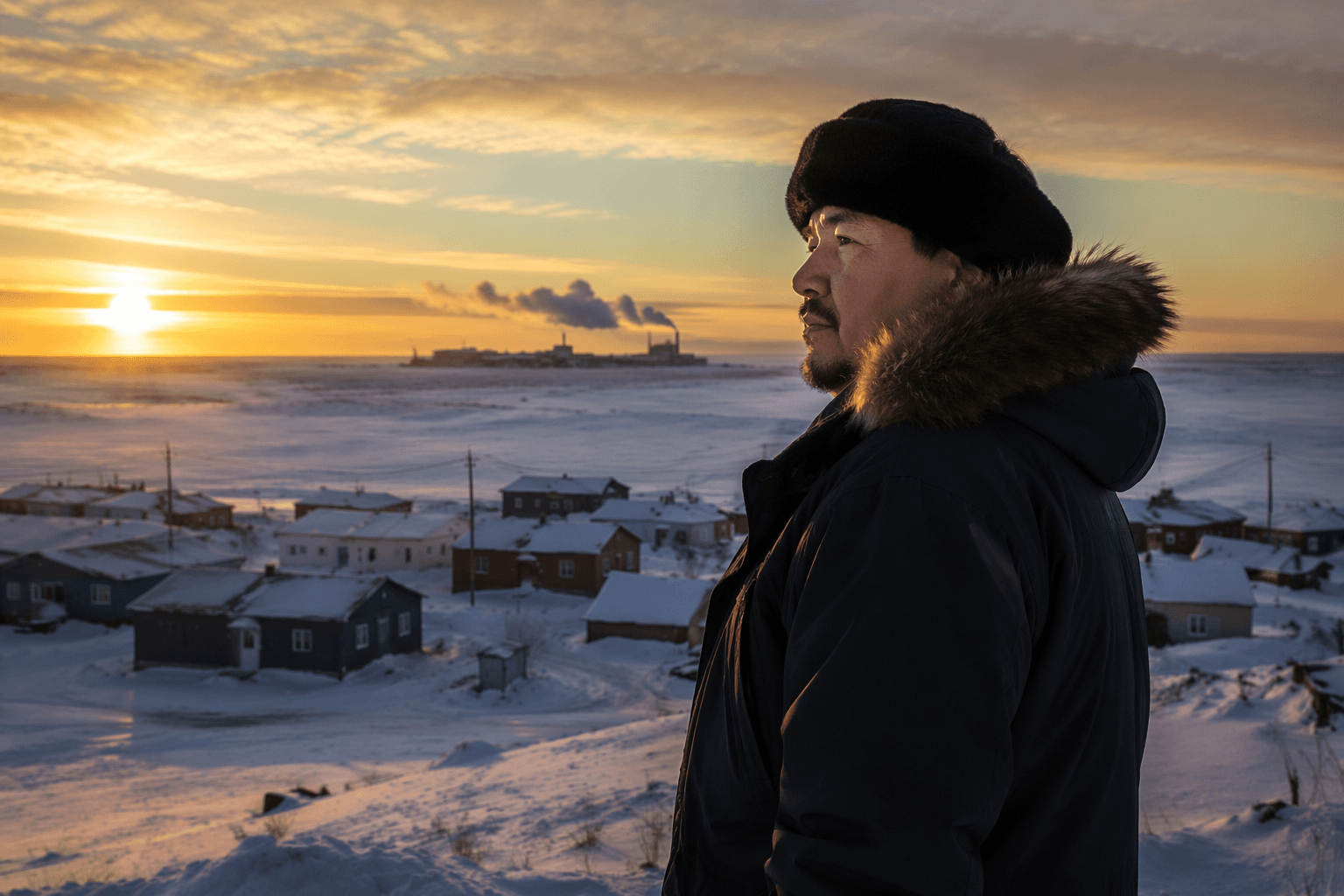
For Utqiaġvik and the villages that depend on North Slope Borough funding, the Alaska LNG tax fight is about school money, road work and basic services, not just a bill in Juneau. North Slope Borough Mayor Josiah Aullaqsruaq Patkotak was still pressing lawmakers to keep gas-treatment-plant taxes under the borough’s existing property-tax framework as the House Finance Committee postponed its amendment deadline on SB2001.
SB2001 is the governor-requested bill titled “GAS PIPELINE VOLUMETRIC TAX; AGDC; RCA,” and it remained scheduled for Senate Finance hearings June 1 through June 5. Under the proposal, the statewide 20-mill property tax on oil and gas infrastructure would be replaced with a volumetric tax, a change Alaska Public Media reported would bring in roughly 90% less revenue. On the Kenai Peninsula, Mayor Peter Micciche said the current tax could generate $140 million to $210 million a year for his borough, while the proposed structure would leave local governments carrying higher costs without the same return.
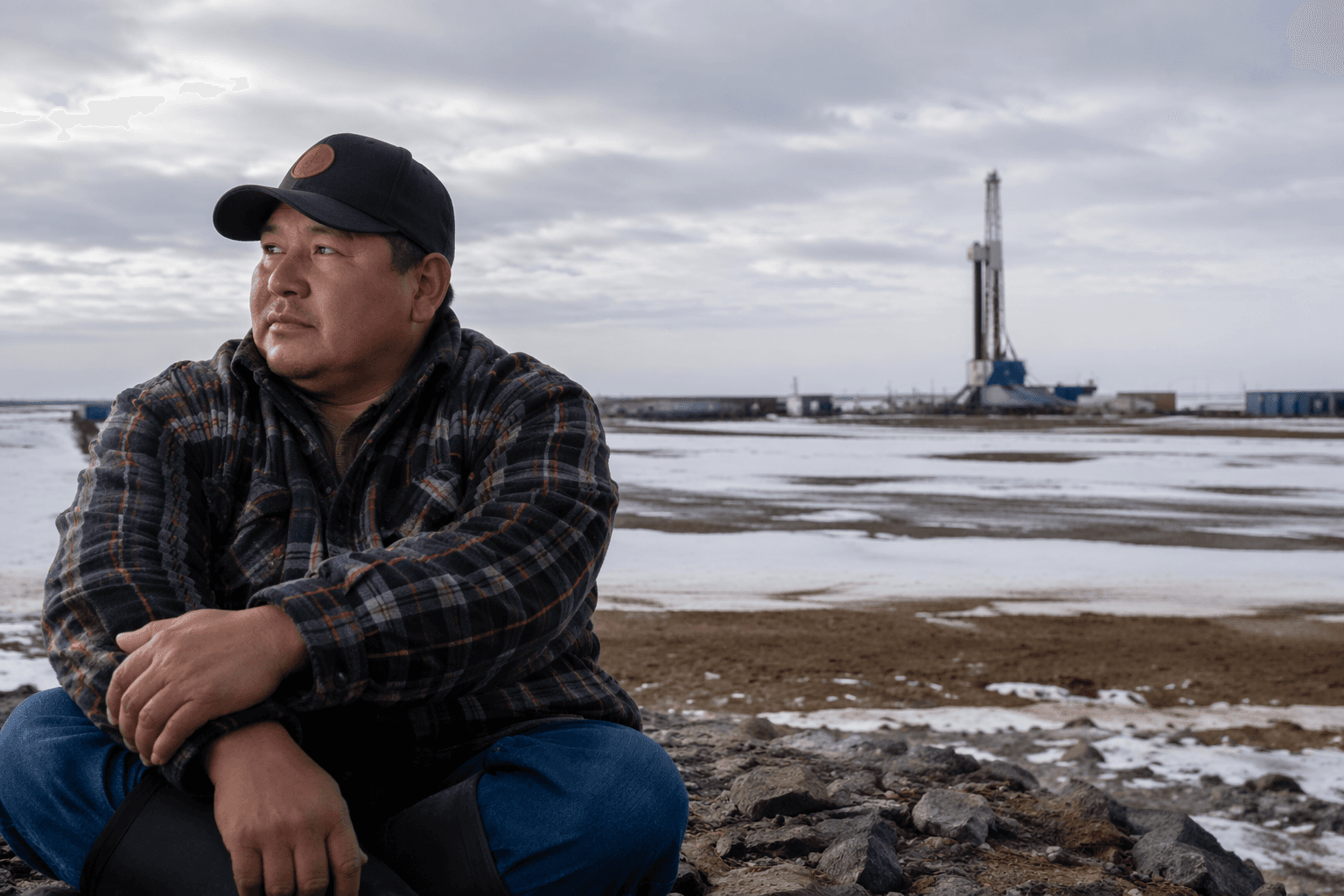
On the North Slope, the numbers explain why the discussion has become so urgent. The borough’s FY2025-2026 budget says property tax revenue makes up about 83% of operating revenues, with total funding resources of $547,764,021 and an estimated $25.3 billion in oil-and-gas assessed value used for planning. Borough budget documents also say AS 29.45.080 sets the tax-cap method for oil and gas production and pipeline property. That tax base helps pay for services residents actually see in Utqiaġvik and across the borough’s village communities.
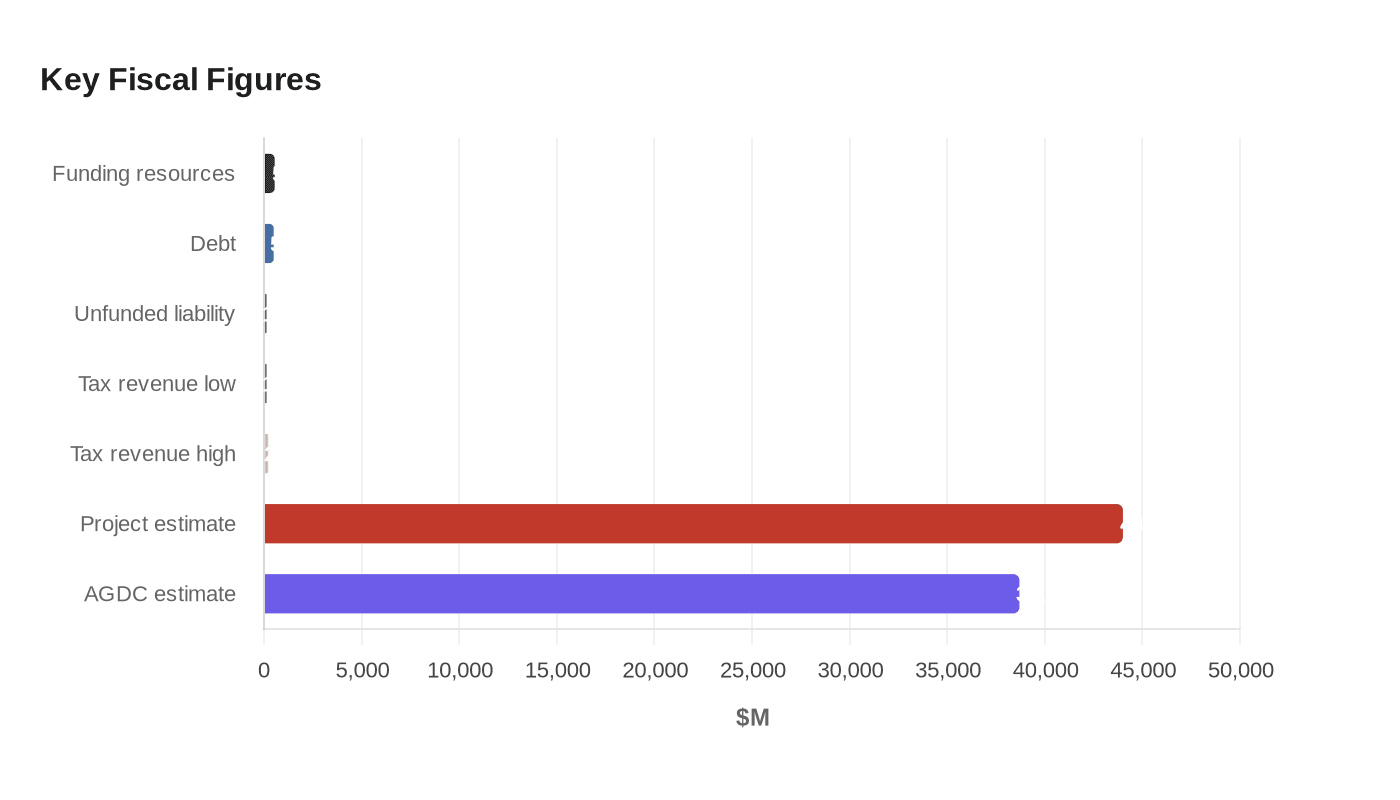
The borough says it has eight communities, six of them diesel-reliant, and it is already carrying $500 million in debt plus $130 million in unfunded public-employee retirement liability. That makes the future revenue stream from any Alaska LNG facility a direct question for schools, public safety, roads and the rest of the municipal budget. If the tax structure leaves local government with less than expected, the pressure would fall on core services in a region where replacing lost dollars is difficult.
Patkotak has also warned that a tax break for the gasline could set a precedent for future oil and gas development. Other borough mayors along the route have raised similar concerns while still backing the project in principle. The Alaska LNG plan itself remains massive, with recent descriptions putting it at roughly 800 miles from the North Slope to Cook Inlet, anchored by a North Slope gas treatment plant and a liquefaction facility in Nikiski. Recent project estimates have put the price near $44 billion, while Alaska Gasline Development Corporation has cited a revised figure of $38.7 billion, underscoring how much is still riding on the tax terms now under negotiation.
This article was produced by Prism’s automated news system from verified source data, official records, and press releases, then run through automated quality and moderation checks before publishing. The system is built and supervised by the people who set the standards it runs under. Read our full AI policy.
Know something we missed? Have a correction or additional information?
Submit a Tip