North Slope Landfast Sea Ice Season Shrinking, Threatening Whaling and Coastal Travel
Andrew Mahoney's 27-year study shows North Slope landfast ice shrinking in both time and space, putting Utqiagvik's spring whaling season on increasingly uncertain ground.
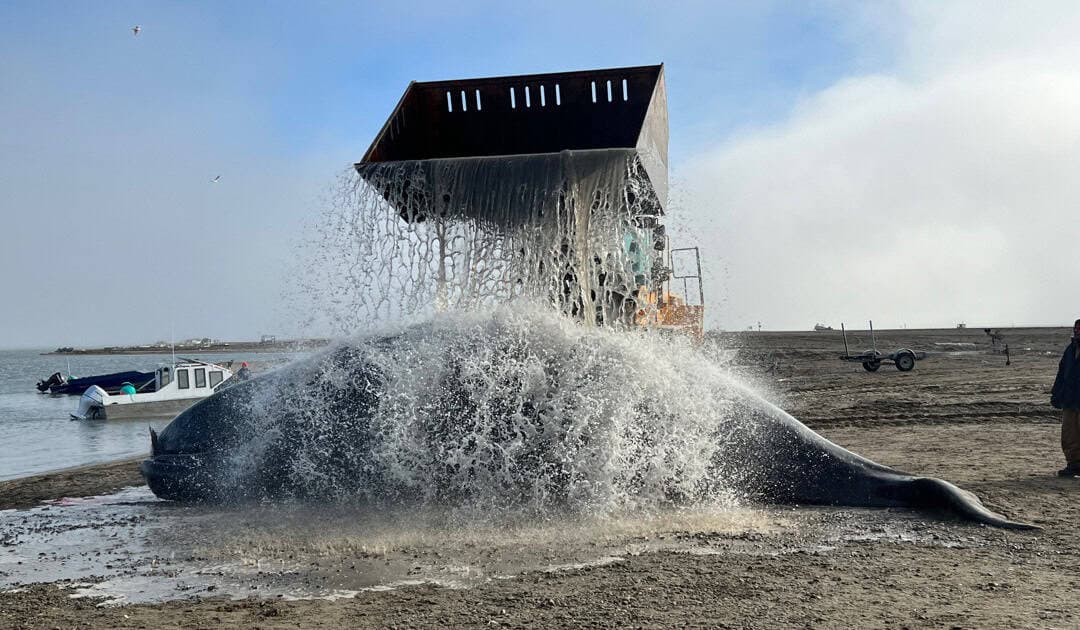
The landfast sea ice fringing Alaska's North Slope coast is arriving later, leaving earlier, and covering less area than it did a generation ago, a pattern that now compresses the window Utqiagvik whaling crews depend on each spring and raises new concerns about shoreline stability from the Chukchi Sea to the Beaufort.
University of Alaska Fairbanks Geophysical Institute research professor Andrew Mahoney led the multi-decadal analysis, which drew on 27 years of data through 2023 and was published in the Journal of Geophysical Research: Oceans. The findings describe a systemic shift across the North Slope coast: landfast ice, the shore-anchored ice that stays locked in place rather than drifting with currents, is forming later in fall, breaking up earlier in spring, and covering less total area than in earlier decades. "So it's sort of shrinking in time, and it's shrinking in space as well," Mahoney said.
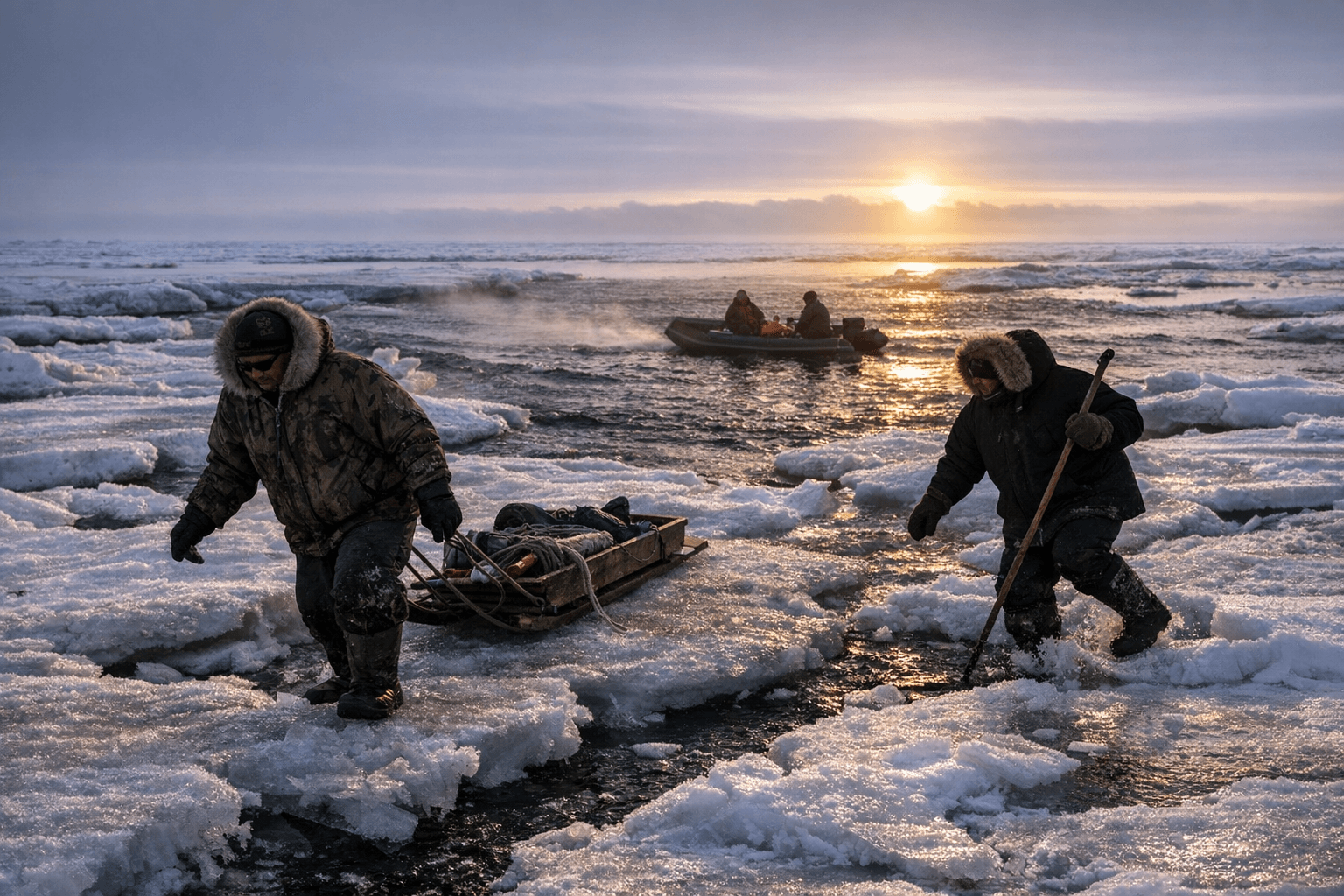
The consequences hit hardest during the bowhead whale hunt. Utqiagvik whaling crews travel across landfast ice to reach the open leads where bowhead whales migrate each spring, and the reliability of that platform matters for both access and safety. "Landfast ice is the ice that is used by people," Mahoney said. "The success of that whale hunt is in part related to how accessible and how stable and safe the landfast ice is." He noted that at peak season, "a large fraction of the community, at any one time might actually be out on the landfast ice actively whaling." A shorter, less predictable season makes that planning harder; Mahoney described hunting conditions under the new pattern as "much more uncertain," a shift that carries direct food-security implications for communities where bowhead whale remains central to both diet and cultural practice.
The study also found that the decline is spreading into parts of the Beaufort Sea that had remained relatively stable in earlier analyses. Mahoney warned that the shortened season may intensify springtime coastal erosion as well, adding a second period of heightened shoreline risk to the fall erosion season already well documented along the North Slope.
For oil and gas operators, the shrinking landfast season compresses the available window for constructing seasonal ice roads and temporary coastal facilities, raising logistical costs and complicating project timelines. The study was funded by the Bureau of Ocean Energy Management, signaling that federal agencies with offshore energy planning responsibilities are tracking coastal ice changes closely.
For North Slope villages, the findings put hard numbers behind what many residents already observe from shore: the ice they travel, hunt, and build community routines around is becoming less predictable, and the margin for error narrows further each season.
Know something we missed? Have a correction or additional information?
Submit a Tip
