North Slope Oil Expansion Near Nuiqsut Sparks Economic Hope, Cultural Concerns
New oil pads, roads and proposed Alpine-area extensions near the Iñupiaq village of Nuiqsut promise jobs and revenue but raise worries about subsistence access, cultural loss and long-term health risks.
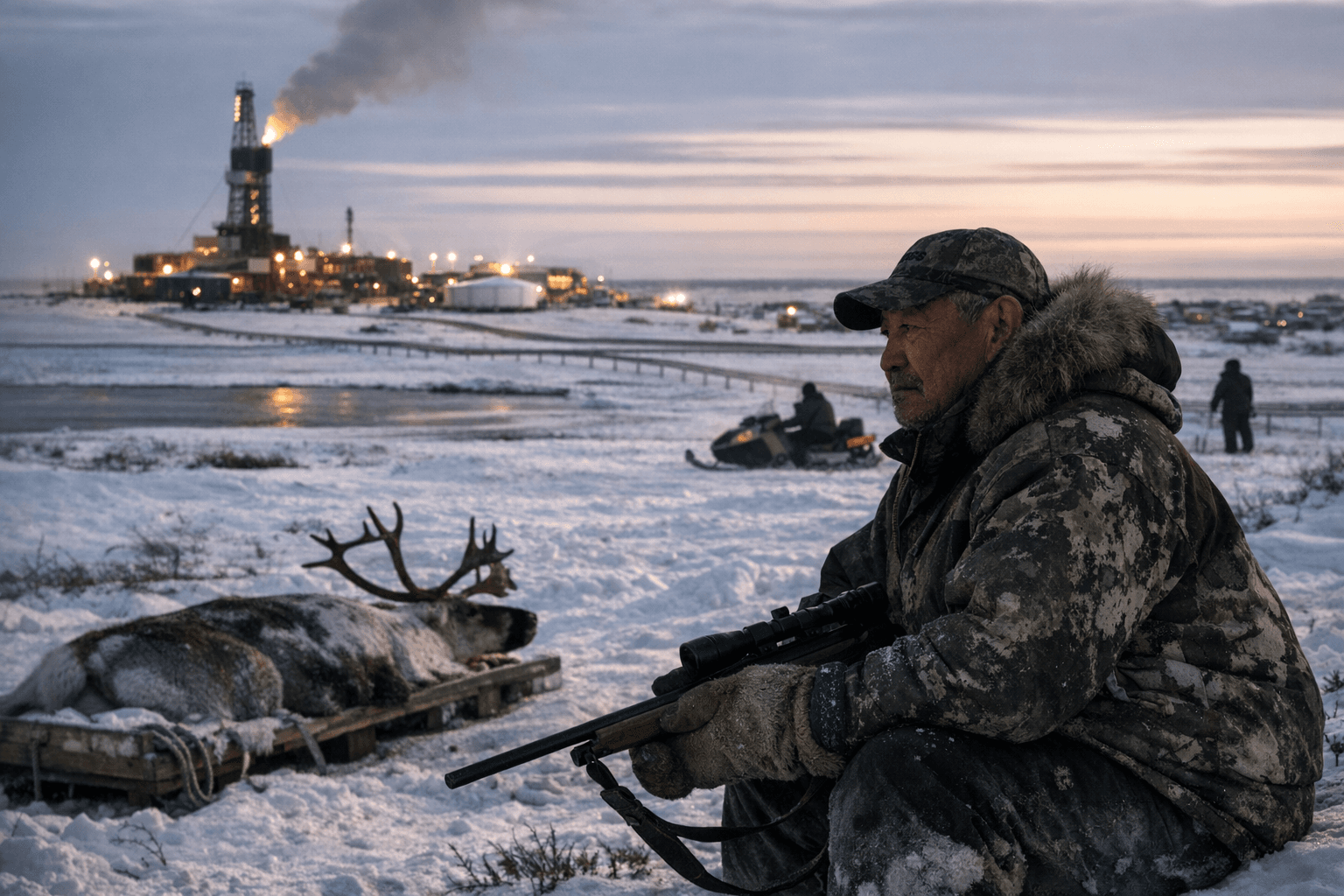
New and expanding oil activity moving closer to the Iñupiaq village of Nuiqsut has sharpened a local debate about prosperity and protection. Pad construction and road work west of the village, coupled with proposals to extend operations in the Alpine area, have increased economic opportunity for local corporations while prompting concerns about proximity to village lands, access to subsistence resources, and the cultural and environmental costs that communities will bear.
For many Nuiqsut residents, income and contracts tied to oil development offer tangible benefits in a region with few steady private-sector employers. Local corporations have seen new work and revenue streams, which can fund services and infrastructure in the North Slope Borough. At the same time, the concentration of activity near village boundaries has raised alarm among elders, hunters and families who rely on predictable seas and tundra for walrus, seals, caribou and fish. Changes to travel corridors and harvesting areas risk undermining subsistence patterns that sustain food security and cultural continuity.
Public health implications extend beyond economic tradeoffs. Disruption of subsistence access can force households to depend more on expensive store-bought food, with consequences for nutrition and chronic disease. Increased industrial traffic and infrastructure near the village can elevate concerns about air and noise pollution, accidental spills and stress on emergency services. Mental health and community cohesion are also at stake when landscapes that carry Iñupiaq seasonal knowledge and ritual are altered by development.
Policy decisions at the borough and state level will shape how benefits are distributed and how risks are mitigated. Local corporations’ participation in contracts offers leverage for the Nuiqsut community to press for workforce training, environmental monitoring roles and revenue sharing that supports health clinics, housing and social programs. At the same time, regulatory oversight and cumulative-impact assessments will be critical to track long-term environmental changes and to ensure that permitting accounts for cultural and subsistence needs.
Equity questions persist. Who gains jobs and profits, and who shoulders health and cultural harms? Smaller households, elders and subsistence-dependent families may be most vulnerable to loss of access and to health effects linked to environmental change. Addressing those disparities will require deliberate policies that center community voices in planning, meaningful monitoring funded by developers, and investments in local health and emergency infrastructure.
As proposals advance, Nuiqsut faces decisions about accepting closer development in exchange for economic gains. The immediate next steps include community consultations, permitting processes and the establishment of monitoring and benefit agreements. For readers in the North Slope Borough, the balance struck now will determine whether new activity brings durable local prosperity or deepens inequalities and cultural loss across generations.
Know something we missed? Have a correction or additional information?
Submit a Tip
