Pipeline tax value rises, boosting North Slope Borough revenue prospects
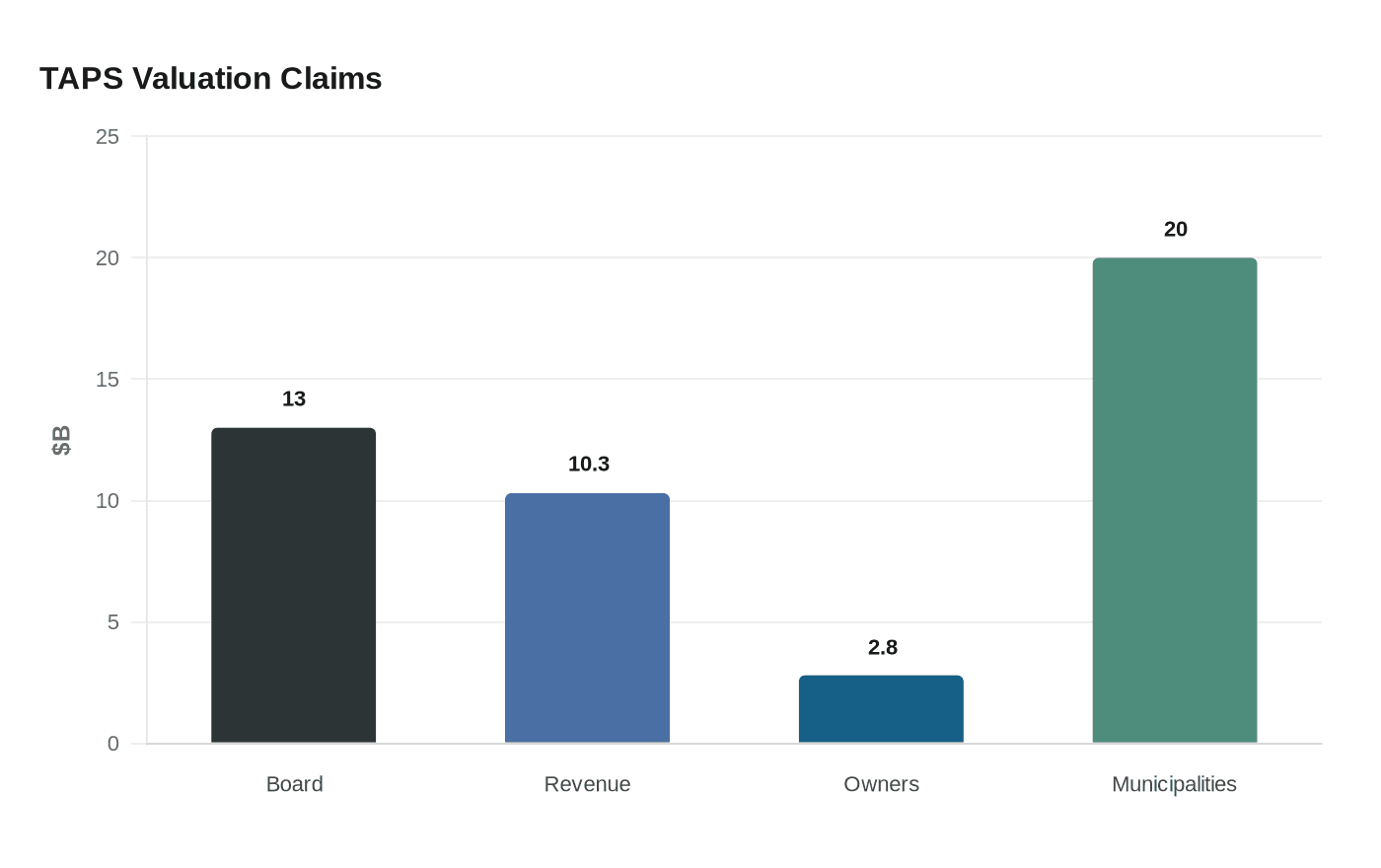
A $13 billion pipeline valuation could bring Alaska and three municipalities about $60 million more, with North Slope schools and services among the biggest stakes.
The North Slope Borough could see a meaningful lift in oil-tax revenue if the State Assessment Review Board’s $13 billion valuation of the Trans-Alaska Pipeline System survives the next round of appeals. State and local governments were put in line for roughly $60 million more in oil-industry tax revenue, a change that could ripple into borough schools, public safety, roads, water systems and other high-cost services in an Arctic region where every operating dollar matters.
The valuation decision, announced after a May 12-15 hearing in Anchorage, was a sharp increase from the Alaska Department of Revenue’s initial 2026 assessment of $10.3 billion. It also came in far above the pipeline owners’ estimate of about $2.8 billion, though below the roughly $20 billion figure municipalities argued the system still deserved because of its long remaining life and the continuing flow of North Slope crude.
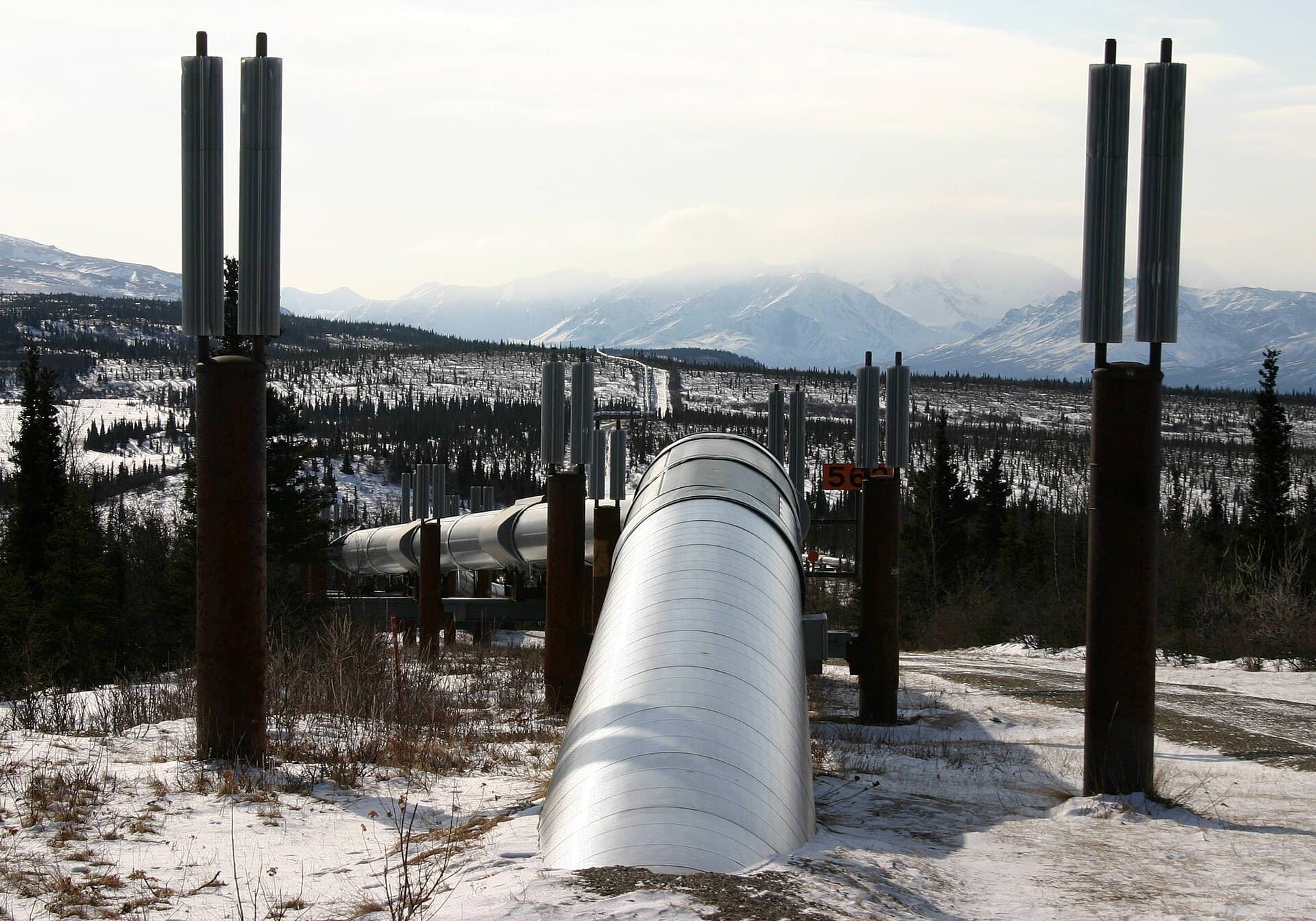
For North Slope residents, the dispute is more than a fight over paper value. Alaska law imposes a 2% property tax on oil and gas exploration, production and pipeline transportation property, and TAPS still carries crude 800 miles from Prudhoe Bay to Valdez through an 800-mile, 48-inch pipeline, the Valdez Marine Terminal and 11 pump stations. The tax is shared by the state and the municipalities crossed by the line, including the North Slope Borough, Fairbanks North Star Borough and the City of Valdez.
The borough’s own finances show how much is at stake. Its fiscal year 2025-2026 budget listed estimated funding resources of $547,764,021, a reminder that North Slope public services depend heavily on steady oil-related revenue. A larger assessed value could help support district schools, housing, capital projects and basic municipal services. A lower number would tighten that outlook, especially if any payout is delayed while the tax fight moves through court again.
That possibility remains real. The pipeline value had been held at $8 billion under a 2016 settlement that was extended through the end of 2025, but both the oil companies and the municipalities appealed once that arrangement expired. The owners have argued the system is depreciating; the municipalities have said the pipeline still has decades of useful life left and continues to matter because North Slope production keeps it full enough to tax.
The dispute has been here before. A previous round of pipeline-tax litigation lasted a decade, included appeals to the Alaska Supreme Court and went to a trial that ran more than two months. Valdez, which relies on pipeline taxes for more than half of its recurring revenue, has the most visible budget exposure, but the North Slope Borough also stands to gain if the valuation holds and if the courts do not slow the money down for years.
This article was produced by Prism’s automated news system from verified source data, official records, and press releases, then run through automated quality and moderation checks before publishing. The system is built and supervised by the people who set the standards it runs under. Read our full AI policy.
Know something we missed? Have a correction or additional information?
Submit a Tip