Polar Night Safety Guide for North Slope Residents and Travelers
North Slope communities are now in extended polar night, a period of prolonged darkness that affects travel, health services, logistics and daily life. This practical guide lays out steps residents, visitors and service providers should take to reduce risk, maintain access to services and support community resilience during Arctic winter conditions.
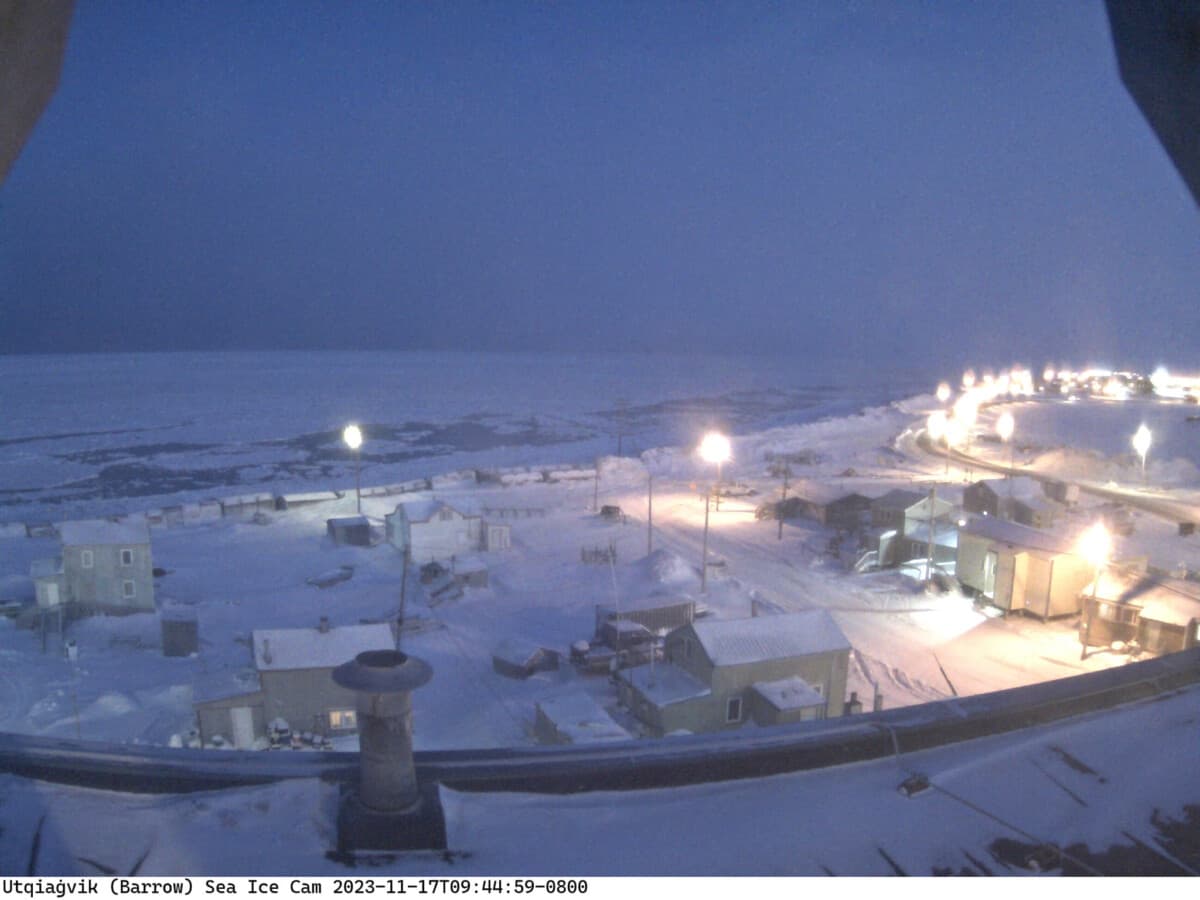
North Slope communities including Utqiagvik, Wainwright, Point Hope, Prudhoe Bay and Deadhorse, Kaktovik, Nuiqsut, Atqasuk, Anaktuvuk Pass and Point Lay are experiencing the seasonal polar night, when the sun remains below the horizon for weeks to months. The extended low light increases the likelihood of travel delays, complicates search and rescue operations, strains supply lines and can intensify mental health and sleep challenges. Local institutions including the North Slope Borough, village tribal councils, airport operators and health clinics play central roles in coordinating services and keeping residents informed.
Travelers and hosts should confirm scheduled flights and barge or charter movements well in advance and again immediately before travel. Wiley Post Will Rogers Airport in Utqiagvik remains the regional hub for air connections and carriers often adjust schedules because of winter weather and sea ice. Contact local hosts, city hall or tribal offices to confirm arrival procedures and snow clearing arrangements in each village. Allow extra time for medical transfers and scheduled services, and plan to remain flexible if overnight stays in hub communities become necessary.
Prepare personal and household systems for prolonged darkness and cold. Pack layered clothing, insulated boots, warm gloves and face protection for wind chill. Bring spare batteries and power banks for communications devices. Service heating systems, secure backup fuel or generator plans and keep snow removal and ice safety tools ready. Residents who rely on snow machines or ATVs should follow local regulations, travel on marked trails and file float plans or trip notifications with family or local authorities.
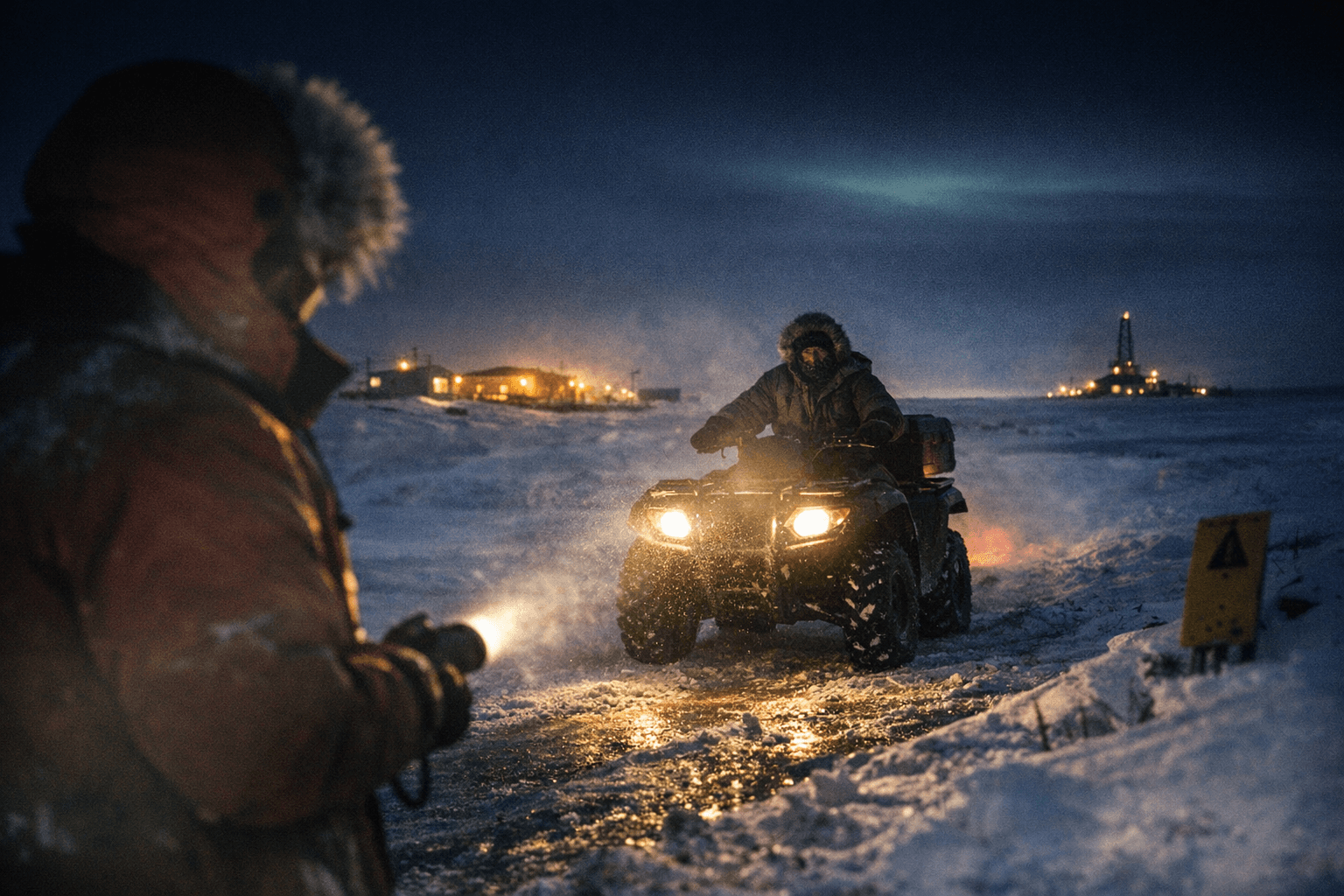
Communications and emergency response depend on multiple pathways. Keep contact information for the North Slope Borough general switchboard at (907) 852 2611, local clinics and village tribal offices close at hand. If satellite or terrestrial links are disrupted, borough and regional agencies often coordinate alternate communications using satellite terminals or VHF and will announce arrangements through local channels. For urgent health needs and medical evacuation coordination contact Samuel Simmonds Memorial Hospital in Utqiagvik, and in any emergency alert the North Slope Borough Police Department or local clinic so they can activate response.
Polar night also carries cultural and subsistence implications. Hunting, fishing and whaling continue in winter and visitors must respect local protocols and safety practices. Community centers, libraries and cultural organizations provide important social connection and behavioral health support to counter seasonal mood and sleep disruption. Officials and service providers should maintain transparent schedules and clear lines of communication so residents can plan, access care and participate in civic decision making during the darkest weeks of the year.
Know something we missed? Have a correction or additional information?
Submit a Tip
