Practical travel guide for Utqiagvik, what North Slope residents should know
A concise visitor guide outlines essential travel and safety information for Utqiagvik, clarifying limited services, transportation constraints, and cultural expectations that matter to residents and visitors alike. The guidance highlights how seasonal freight and restricted commercial hours shape supply chains, emergency planning, and the local economy.
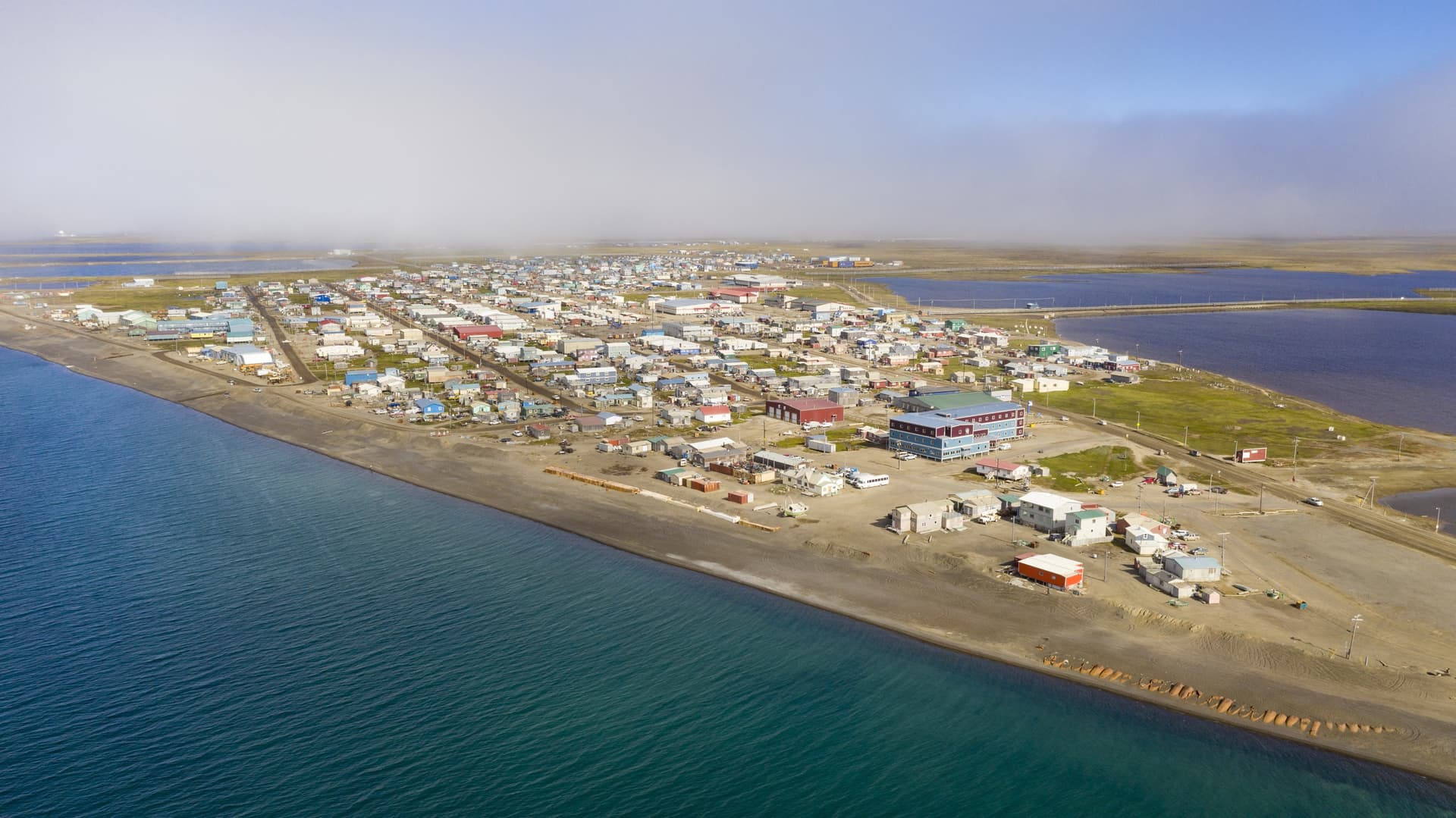
Visitors heading to Utqiagvik need to plan well in advance because the community operates with limited commercial and transportation services that affect supply, prices, and daily life. Local banks, grocery stores, and fuel stations maintain restricted hours compared with urban centers, and residents and visitors are advised to pre book flights and accommodations, bring extra supplies, and expect fewer retail options. Air service is the primary year round connection, while seasonal barge freight supplies bulk goods during the summer months, concentrating deliveries and influencing inventory planning for local businesses.
Respect for local culture and subsistence activities is a central theme for any visitor. Community events, subsistence harvesting, and land uses are integral to social and economic life on the North Slope Borough, and visitors should follow local protocols and requests from residents. Limited commercial hours and supply timing underscore why visiting with sufficient provisions matters, and why coordinating with local hosts can reduce pressure on services.
Weather and daylight rhythms present unique challenges. Arctic conditions require appropriate cold weather clothing and equipment, layered insulation, durable waterproof footwear, and contingency planning for severe weather that can disrupt flights and barge schedules. Polar night in winter and extended daylight in summer affect travel planning, outdoor safety, and municipal services. Samuel Simmonds Memorial Hospital in Utqiagvik provides medical and emergency services locally, and residents should note its role in urgent care and medevac coordination when planning trips.

The seasonal nature of freight and constrained service hours also has economic implications. Concentrated summer deliveries reduce shipping options for businesses and raise carrying costs, which can translate into higher retail prices and tougher inventory management for grocers and fuel providers. For policymakers and community leaders, priorities include investment in resilient supply chains, support for reliable air service, expanded emergency readiness, and exploring measures to smooth seasonal price volatility for residents.
Advance preparation benefits both visitors and the community by reducing strain on limited services and preserving subsistence activities that are vital to the North Slope Borough economy and culture.
Know something we missed? Have a correction or additional information?
Submit a Tip
