Preparing for Polar Night in Utqiagvik, Practical Guidance for Travelers
This article explains what residents and visitors need to know about traveling to and living in Utqiagvik during Polar Night, including travel logistics, safety, and local services. Knowing flight limits, medical capacities, cultural expectations, and basic cold weather preparedness matters for safety, access to care, and respect for community life.
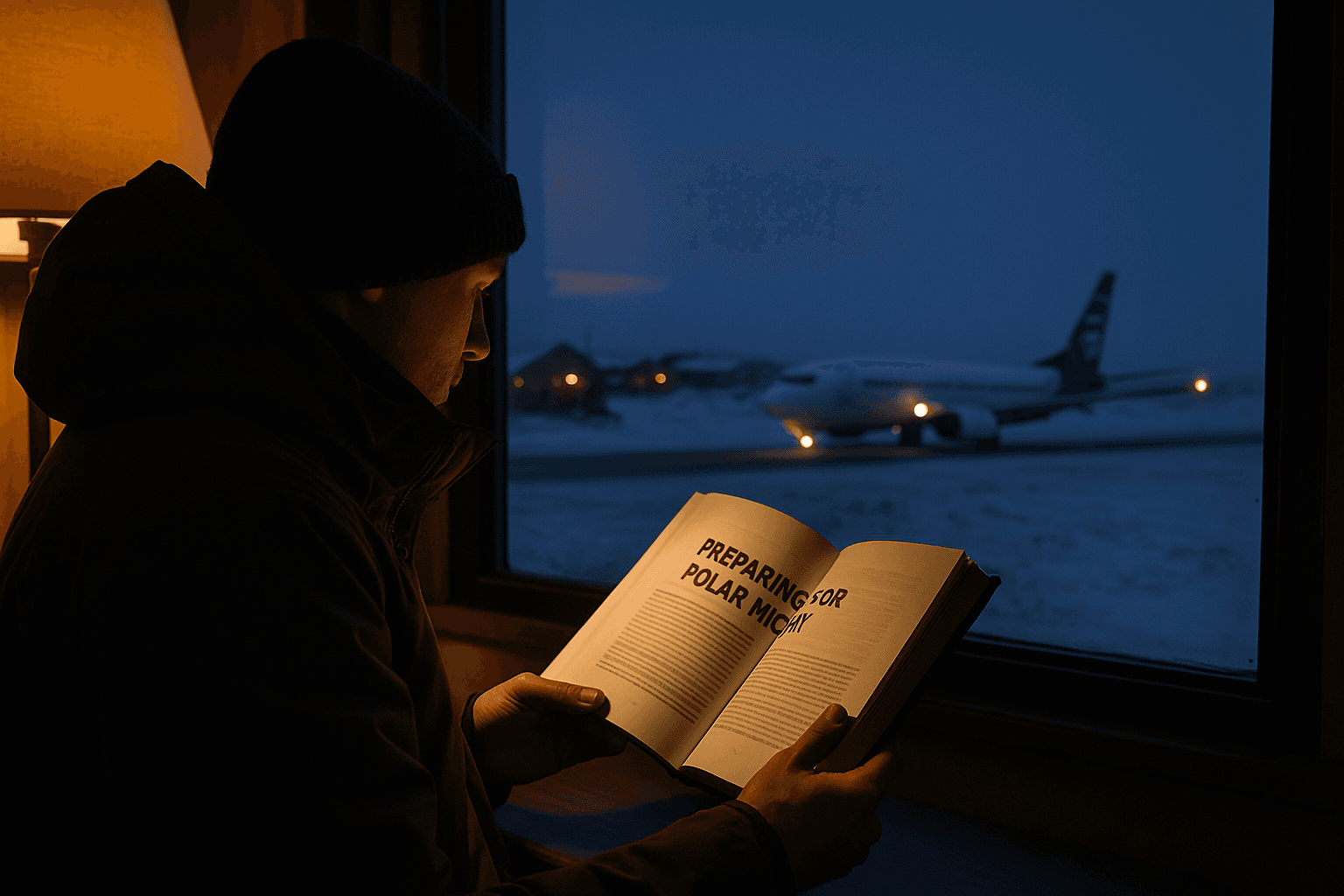
Utqiagvik is the northernmost city in the United States and the primary population center of the North Slope Borough. During Polar Night, when the sun does not rise above the horizon for a multi week period each winter, daily life and travel require additional planning. This report summarizes the practical, public health, and community considerations that matter for anyone arriving in or living through the season.
The most common way to reach Utqiagvik is by air. Regular scheduled flights connect the North Slope to larger Alaska hubs such as Anchorage and Fairbanks. Deadhorse Prudhoe Bay also has air service for industrial travel. Travelers should expect strict weight limits and baggage restrictions on many flights, and severe Arctic weather can delay or cancel service. Within town most movement is by foot, ATV, snow machine, or small vehicle, and long term roads between villages are rare. Winter ice roads and seasonal routes are used in some places, but conditions change quickly.
Public health and emergency access are central concerns. Samuel Simmonds Memorial Hospital in Utqiagvik provides emergency and routine care for the region, but capacity is limited compared with urban hospitals. Medevac services are available for serious cases, yet weather can delay flights and extend response times. These realities increase the importance of confirming emergency procedures with hosts or local officials ahead of travel, carrying necessary medications, and planning for contingencies for preexisting health conditions.
Food security and cost are equity issues during Polar Night. Grocery selection is limited and prices are higher because of transportation costs. Residents and visitors with specific dietary needs should bring basic items or confirm availability before arrival. Communications may be intermittent, so carrying an emergency satellite device is recommended for trips outside town. Wildlife safety remains vital, with polar bears and other animals part of the environment, and posted warnings and local guidance should be followed.
Cultural norms shape daily life and community events even in periods of darkness. Respect for subsistence hunting and whaling practices, asking permission before photographing, and honoring local customs help support community resilience. Policy priorities for the season include strengthening medevac reliability, expanding telemedicine and internet infrastructure, and supporting local clinics and food access to reduce disparities.
Visitors should book lodging early, pack appropriate cold weather gear such as insulated boots and layered clothing, and plan for delays. Local municipal sites, the North Slope Borough School District, Samuel Simmonds Memorial Hospital, and regional airport and carrier pages provide additional operational details for specific trips.
Know something we missed? Have a correction or additional information?
Submit a Tip
