Subsistence commission gives North Slope voices a role in park management
The Gates of the Arctic subsistence commission gives North Slope and other rural users a formal seat in federal park talks on access, wildlife and harvests.
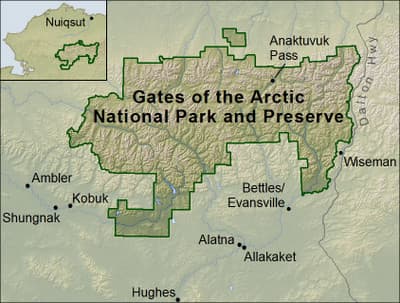
The Gates of the Arctic Subsistence Resource Commission reaches across Game Management Units 23, 24A, 24B, 24C, 26A and 26B, giving North Slope and other rural Alaska residents a formal way to reach federal park managers before decisions harden around access, wildlife and harvest use. The National Park Service keeps it in place so local subsistence users can raise concerns about the park and surrounding country that feeds families, shapes travel and carries cultural knowledge.
A local channel into federal park management
The practical value of the Subsistence Resource Commission for Gates of the Arctic National Park and Preserve is simple: it puts local users in the room with federal managers. A January 30, 2025 National Park Service update places that role in Gates of the Arctic and the surrounding area. That area reaches into Northwest Arctic, Western Interior Alaska and North Slope country, which is why the commission matters well beyond the park boundary.
That reach gives the body real leverage on issues tied to harvest access. If park staff are weighing a change that could affect travel to camps, movement along a familiar route or the ability to reach hunting and fishing areas, the commission is where users can bring local knowledge to bear before the federal process closes around a decision.
Why it matters on the North Slope
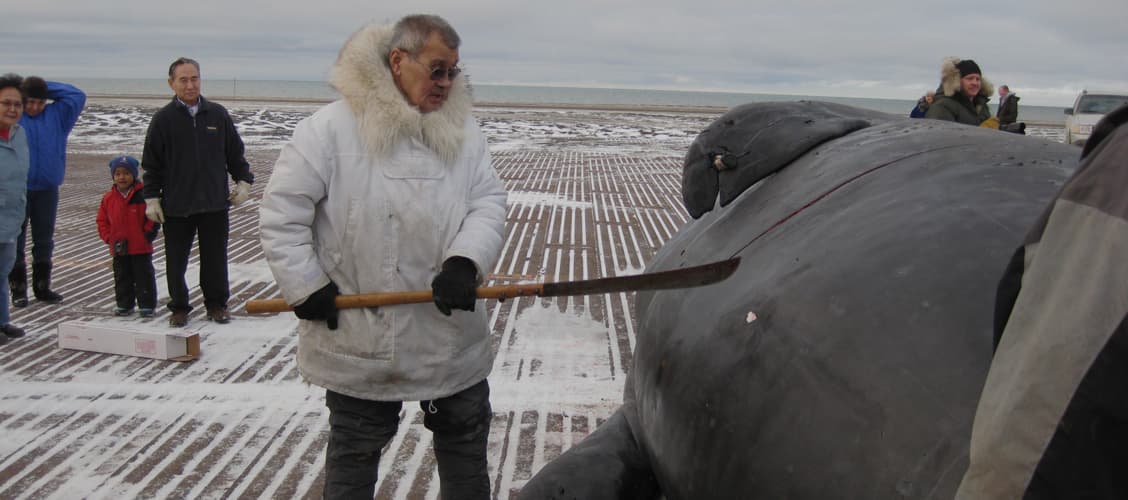
Subsistence in North Slope Borough is not a side issue. In the borough’s comprehensive plan, it is the harvesting, processing, sharing and consumption of wild resources, woven into both the economy and the way of life. Its people live in eight villages, and the majority of the population is Iñupiat.
The North Slope Borough Department of Wildlife Management has also built its own program around the issue. Its Subsistence Harvest Documentation effort is committed to developing information about regional subsistence harvests and the nutritional and cultural needs of residents. That borough work connects directly to the commission’s role: local observations about harvest patterns, travel conditions and wildlife movements are the kind of information park managers need.
Who sits at the table
The commission is small, but its membership reflects the reach of subsistence itself. The 2024 and 2025 meeting minutes show members from Utqiagvik, Wiseman, Allakaket, Ambler and Shungnak, connecting coastal and inland communities that rely on different routes, seasons and species.
Those minutes also show the commission meeting both in person and by teleconference, a practical detail in a region where weather, distance and village schedules shape who can participate.
What the commission can influence, and what it cannot
The commission can inform management, raise concerns and keep local knowledge in the process. It can help park staff understand how a wildlife proposal, access rule or seasonal management change might affect people who depend on the land and water. It can also put North Slope and other rural perspectives on the record in a way that federal managers cannot ignore.
It does not make the final rules. That authority remains with the National Park Service and the broader federal subsistence-management structure. The commission is a formal advisory channel, not a substitute for federal decision-making. The best use of it is specific and grounded: bring actual travel routes, harvest observations, seasonal conditions and community impacts to the table.
Where this system comes from
The commission sits inside a wider Alaska subsistence framework that goes back to the Alaska National Interest Lands Conservation Act, passed in 1980. Title VIII recognized the uniqueness and importance of a subsistence way of life for rural residents and set a policy to support that way of life consistent with sound management principles. That legal foundation is what makes commissions like the one for Gates of the Arctic part of the federal park system instead of an optional outreach program.
A March 14, 2003 Federal Register notice announcing a Gates of the Arctic National Park Subsistence Resource Commission meeting shows the body has been publicly noticed for more than two decades. The commission has been part of the process since the Federal Subsistence Program began in 1990.
How residents can use it
For people in Utqiagvik and the surrounding North Slope communities, the commission is most useful when local concerns are concrete.
- Raise access issues tied to specific units, routes or seasonal conditions.
- Bring harvest information that helps managers understand where and when people are actually using the land.
- Flag conflicts between park management and the cultural practices that sustain sharing, food security and family travel.
- Follow the minutes to see which issues are already on the federal agenda and which names are carrying local concerns into the process.
Why it carries weight now
In October 2024, the federal government added three Alaska tribal representatives to the federal board managing subsistence. In March 2025, North Slope Iñupiat sought direct and regular engagement with the new federal administration.
This article was produced by Prism’s automated news system from verified source data, official records, and press releases, then run through automated quality and moderation checks before publishing. The system is built and supervised by the people who set the standards it runs under. Read our full AI policy.
Did this article answer your question?