Utqiagvik Enters Polar Night until January 22, 2026; Civil Twilight Persists
Utqiagvik entered its annual polar night on Jan. 19 and will not see the sun again until Jan. 22, 2026; civil twilight will provide some natural light for residents.
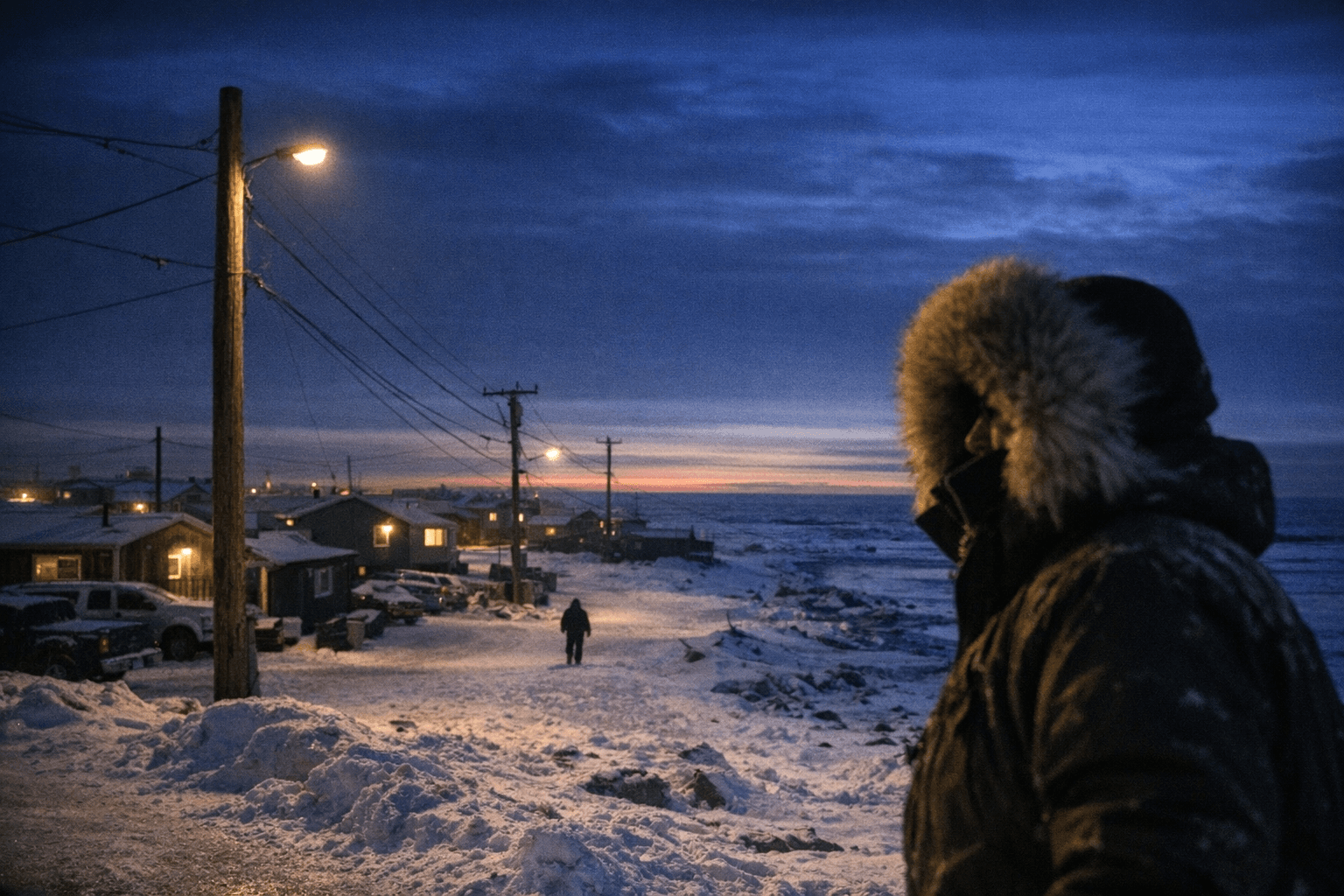
Utqiagvik, the North Slope Borough’s largest city and borough seat, entered its annual polar night on Jan. 19, meaning the sun will not rise again over the community until Jan. 22, 2026. Despite the absence of direct sunlight, residents will continue to experience civil twilight during parts of the day, when the sun remains less than six degrees below the horizon and provides a diffuse glow rather than full daylight.
The polar-night phenomenon is driven by Earth’s axial tilt of roughly 23.5 degrees, which places high-Arctic communities in continuous night for defined seasonal periods. Civil twilight softens the impact of sunless hours by offering enough ambient light for some outdoor activities and safer travel during limited windows, but it is not a substitute for full daylight and can change the rhythm of daily life across the borough.
Local adaptations are already in place. Homes, businesses, schools, and public buildings increase indoor lighting and adjust schedules for community events to match the low-light windows. Mental health and light-therapy practices are commonly used to address seasonal mood effects; clinicians and community health providers often recommend bright, timed light exposure and structured social programming to mitigate impacts on sleep and mood. Community gatherings and cultural activities provide social continuity during the darker stretch, helping maintain routines that are important for wellbeing.
From an economic and logistical perspective, prolonged low-light conditions influence municipal operations and household budgets. Demand for lighting and heating typically rises during polar night, affecting utility use and operating costs for public services. The seasonal cycle also matters for event planners, school officials, and businesses that coordinate services and deliveries. Regular commercial access remains available via scheduled flights from Anchorage, so travel and supply lines continue, but visitors should plan for limited natural light and dress and schedule accordingly.
For the tourism and visitor season, the polar night is both a practical consideration and an attraction: some visitors come specifically to experience arctic darkness and potential night-sky phenomena, while others may be deterred by the short daylight windows. Operators and public agencies in the North Slope Borough use the predictable calendar of sunless days to schedule maintenance and essential services, and to advise travelers about daylight conditions.
As Utqiagvik moves through this brief sunless interval, residents can expect civil twilight at certain hours until the sun returns on Jan. 22, 2026. For community rhythms, public services, and logistics, the return of sunlight will reset schedules and energy patterns, but local practices developed over generations ensure daily life continues through the polar night.
This article was produced by Prism’s automated news system from verified source data, official records, and press releases, then run through automated quality and moderation checks before publishing. The system is built and supervised by the people who set the standards it runs under. Read our full AI policy.
Did this article answer your question?