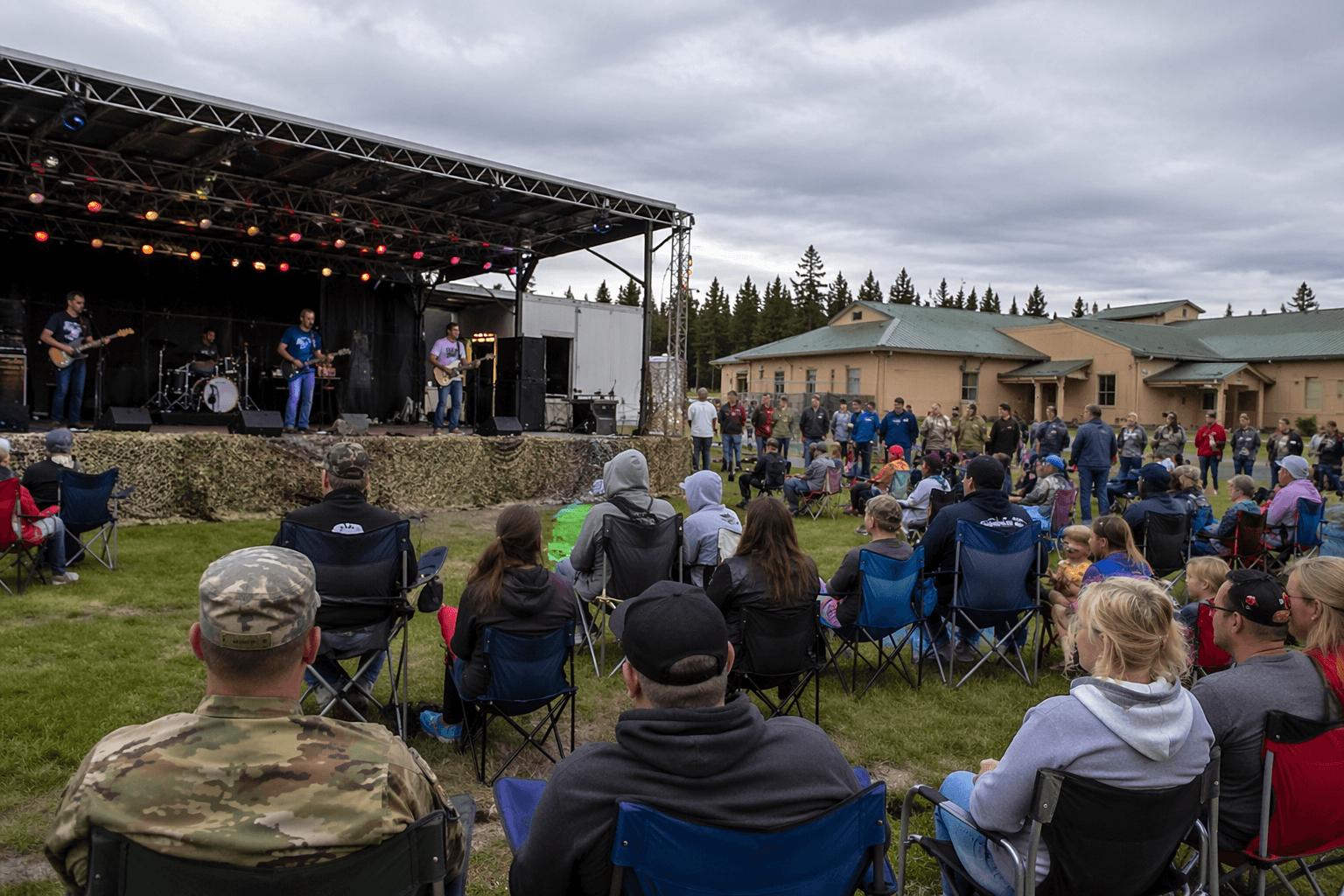
Utqiagvik recreation programs keep North Slope families active and connected
Indoor leagues, open gym hours and the winter dome do more than fill time in Utqiagvik. They help keep families connected when Arctic life gets hardest.

When the weather closes in, recreation becomes essential
In Utqiagvik, the programs families use most are not luxuries or extras. They are the places where children burn off energy after school, teens find structure, adults keep playing through the winter, and neighbors keep seeing one another when travel is hard and daylight is scarce. The city’s recreation calendar shows the mix residents lean on most: Family Time, Volleyball, Morning Ball, Women’s Full Court, Men’s Full Court and long Open Gym blocks.
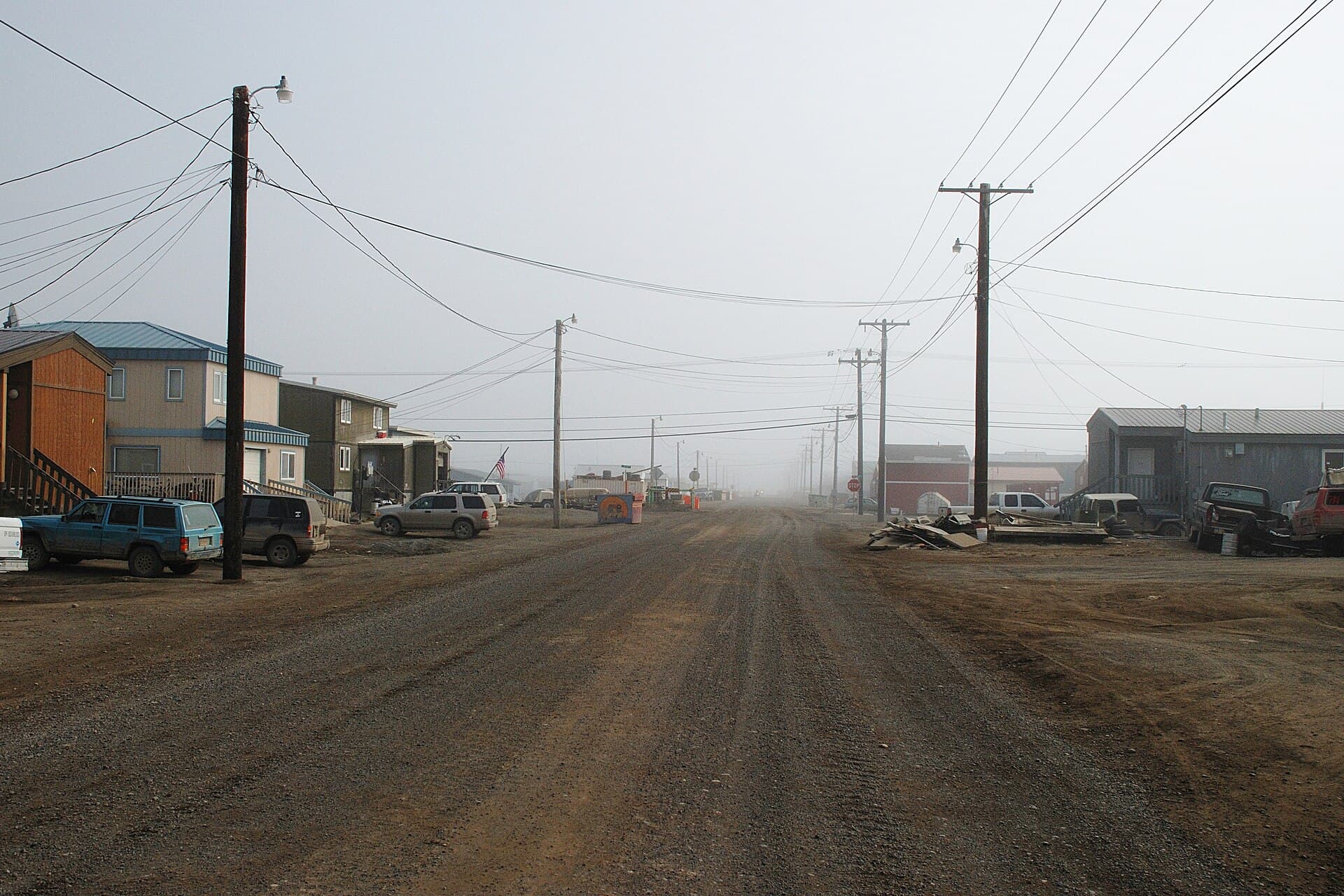
That role matters in a city of 4,927 people spread across 18.8 square miles on the Chukchi Sea coast. Utqiagvik is the northernmost community in the United States and the economic, transportation and administrative center for the North Slope Borough, which means the city’s recreation system functions as more than a pastime. It is part of the basic civic fabric that helps families stay connected and children stay engaged.
A recreation system built for Arctic life
Utqiagvik’s recreation center is one of the community’s most important indoor spaces. The city says the facility includes a gym, racquetball courts, a weight room and a sauna, giving residents a place to move, gather and recover year-round. The city also operates an inflatable dome that changes with the seasons: ice skating and hockey in winter, soccer in summer.
That kind of flexibility is especially valuable in a place where weather can alter plans quickly and outside recreation is not always realistic. The city’s recreation page frames the offerings as sports, outdoor activities, cultural events and community programs, but the practical value is deeper than the labels suggest. For many households, these spaces are where routine survives the season.
The community’s broader infrastructure helps explain why those routines matter so much. Utqiagvik is served by a hospital, a senior citizen center, a women’s shelter, children and youth services, a library, job training and assistance, seven churches, schools and Ilisagvik College. On evenings and weekends, the high school’s swimming pool, weight room and gym are open to the public, adding another layer of access in a town where indoor space is always at a premium.
What residents actually use, and when
The city’s May 2026 recreation calendar shows how active that network is in practice. Family Time gives parents and children a shared space. Volleyball and Morning Ball keep regular players in motion. Women’s Full Court and Men’s Full Court show that organized adult and teen activity is part of the weekly rhythm, not an occasional event.
The Open Gym schedule is especially telling. One block ran from 7:00 a.m. to 7:00 p.m. on May 18, 2026, which suggests the city is trying to make the space usable across the day, not only at prime evening hours. For families balancing school, work and transportation constraints, long open hours can make the difference between a program that exists on paper and one people can actually reach.
This is where access becomes an accountability issue. In a borough where almost every community has a recreation center and programs often run in school gyms, the quality of service still depends on staffing, scheduling and facility availability. A program may be nominally available, but if the gym is full, the staff is thin, or a school space is not open, the people who need it most feel the gap first.
Basketball shows how the system works behind the scenes
The strongest evidence of how deeply recreation is woven into daily life comes from the administrative details. On March 25, 2025, the city held a meeting for men’s and women’s basketball teams. Eight men’s team captains attended, and after discussion of fees and rules, the group unanimously agreed to a ten-game basketball season.
That is not just a schedule item. It shows a system that depends on participation, rules, and buy-in from players themselves. It also shows municipal recreation doing the quiet work of organizing community life, one season at a time.
The June 20 to 21, 2025 men’s end-of-season basketball tournament adds another layer. End-of-season tournaments give players something to work toward, and they give the city a reason to keep facilities active through the full cycle of practices, games and final standings. A public notice placing Piuraagvik Recreation Center at 2026 Ahkovak Street anchors all of that activity in a specific place residents know and use.
The mention of gym floor hours during Little Dribblers practices and games points to a familiar North Slope reality: recreation is a scheduling puzzle. Different age groups, leagues and family activities all compete for the same indoor spaces, so access is not only about offering programs. It is about managing them well.
Why the borough’s model matters beyond Utqiagvik
The North Slope Borough says it works with tribes, cities, schools and businesses to support healthy communities and encourage a healthy lifestyle. It also says recreation programs operate in all communities, often in school gyms, and that almost every community has a recreation center for teens, children and adults. That structure matters in a borough where distance, weather and seasonal darkness can intensify isolation.
The payoff is public health as much as entertainment. Recreation spaces help reduce isolation, support youth development and keep families connected in places where ordinary errands can already be complicated. They also give elders and adults a place to participate in civic life without needing to leave town or wait for summer.
Even the city’s own history underlines how central shared spaces have become. Utqiagvik sits on land shaped by military activity in the 1940s and 1950s, the DEW Line, petroleum exploration and the Naval Arctic Research Lab. Today, the city’s most durable community infrastructure is less about those outside forces and more about the places people use every day.
The decisions that will shape what comes next
The future of recreation in Utqiagvik will depend on practical choices: staffing, funding, maintenance and whether facilities stay open enough to serve the range of ages that rely on them. The dome has to keep working through winter and summer. School gyms have to remain available. The recreation center has to stay staffed and scheduled in a way that serves children, teens and adults without pushing one group out for another.
That is why these programs should be understood as essential youth and family infrastructure. In Utqiagvik, recreation is where community continuity is built, one open gym block, one basketball season and one shared indoor space at a time.
This article was produced by Prism’s automated news system from verified source data, official records, and press releases, then run through automated quality and moderation checks before publishing. The system is built and supervised by the people who set the standards it runs under. Read our full AI policy.
Know something we missed? Have a correction or additional information?
Submit a Tip