Utqiaġvik still below freezing in June, latest on record since 1955
Utqiaġvik had not hit 32°F by June 2, the latest first-freezing reading in records dating to 1955, even as Arctic sea ice logged record lows.
Utqiaġvik still had not touched freezing by early June, making 2026 the latest year since at least 1955 to see the city’s first 32°F reading. The National Weather Service’s preliminary data for the Utqiaġvik station showed a cold May, with daily highs mostly in the teens and 20s Fahrenheit and a maximum of just 31°F on May 31.
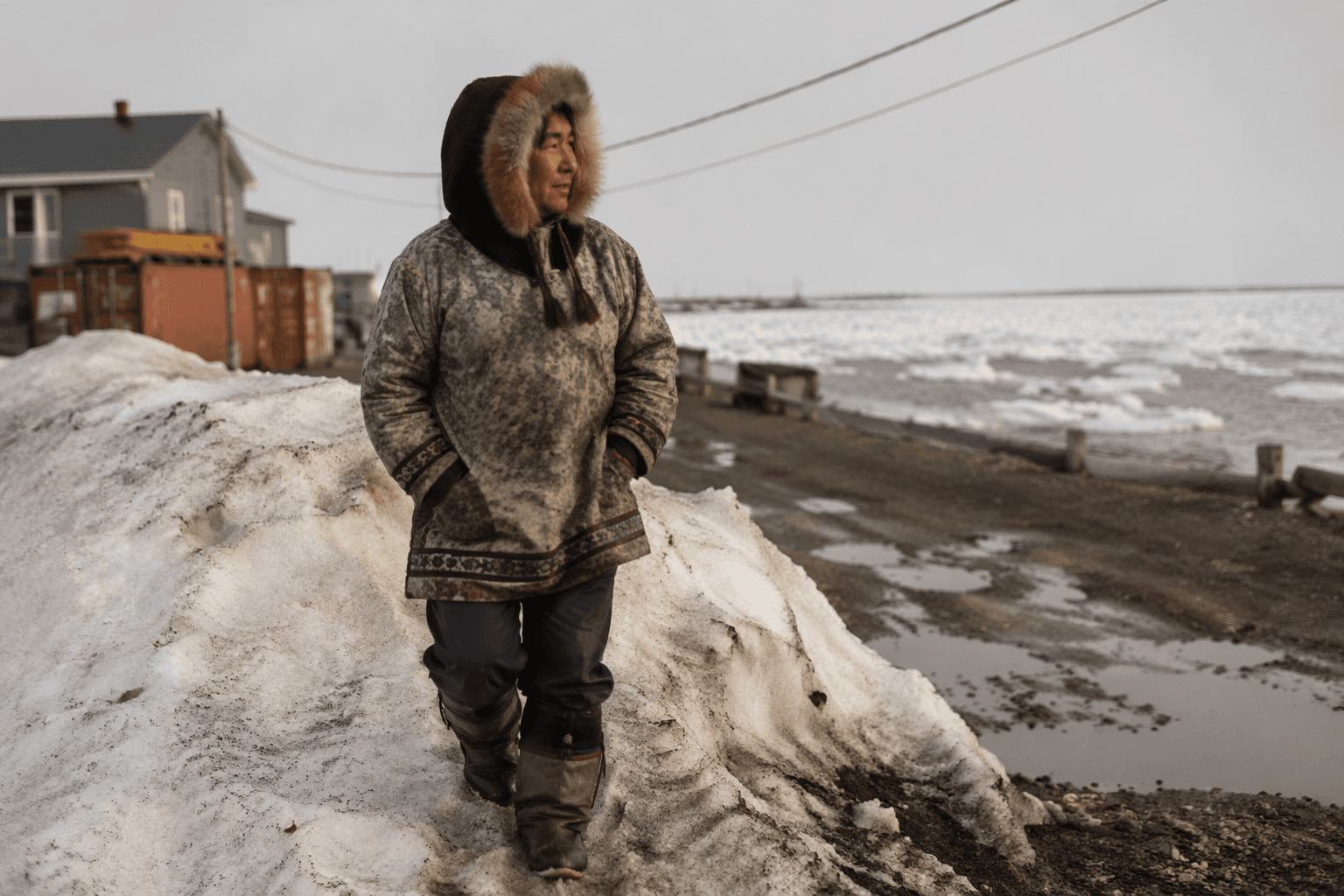
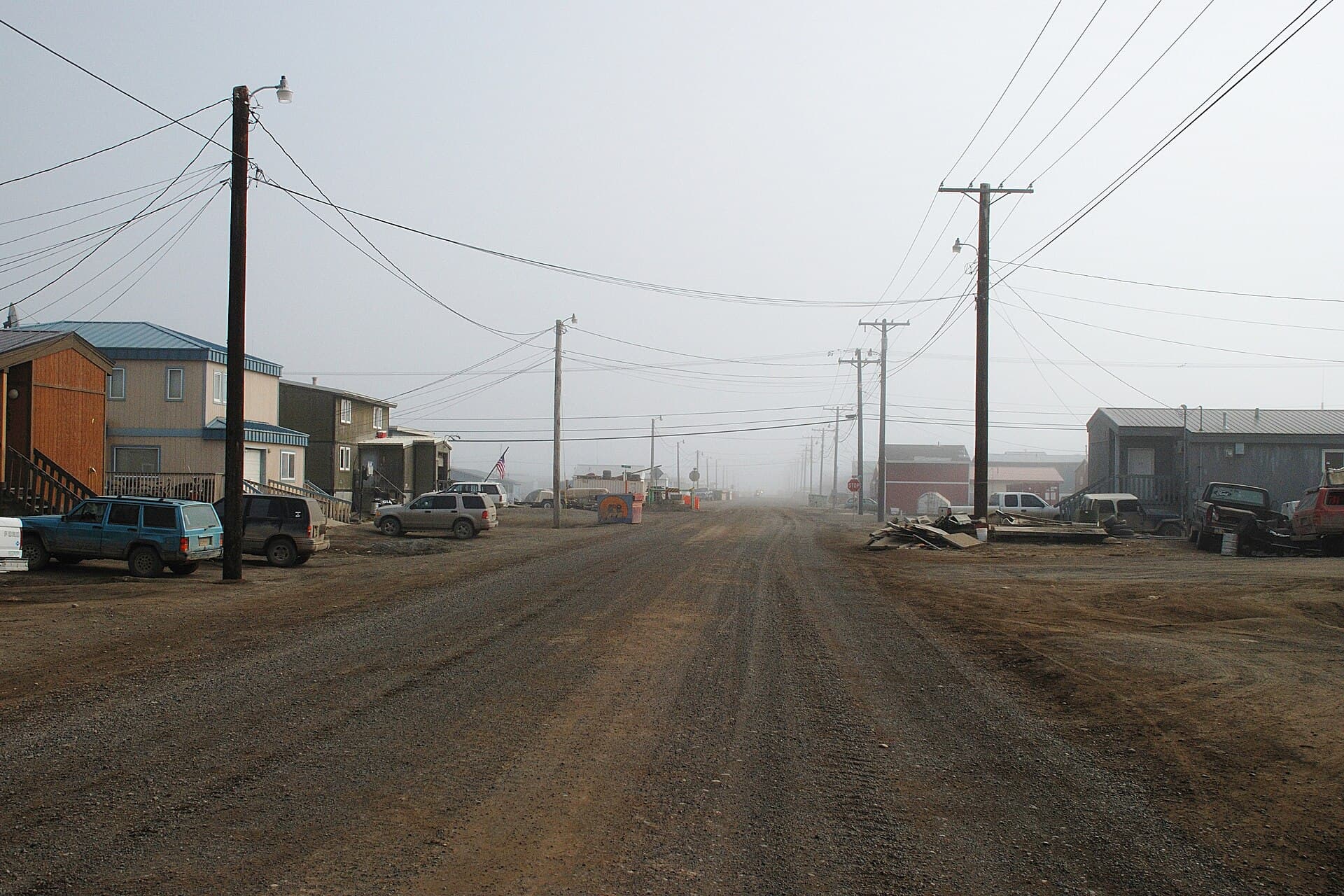
That late cold snap matters on the North Slope because Utqiaġvik sits on the Arctic coast, where the shift from frozen ground and shorefast ice to open water shapes how people move, hunt and protect their homes. A later thaw can delay the start of breakup, but it can also keep travel conditions uncertain for longer and stretch the period when residents are still depending on heat and fuel in early June.
The bigger Arctic picture was just as unusual. The Alaska Climate Research Center said Arctic sea ice reached its annual maximum on March 15, 2026, at 14.278 million square kilometers, the lowest maximum in the satellite record and effectively tied with 2025. A separate report from the National Institute of Polar Research and Japan Aerospace Exploration Agency put the winter maximum even lower, at 13.76 million square kilometers on March 13, also a record low.
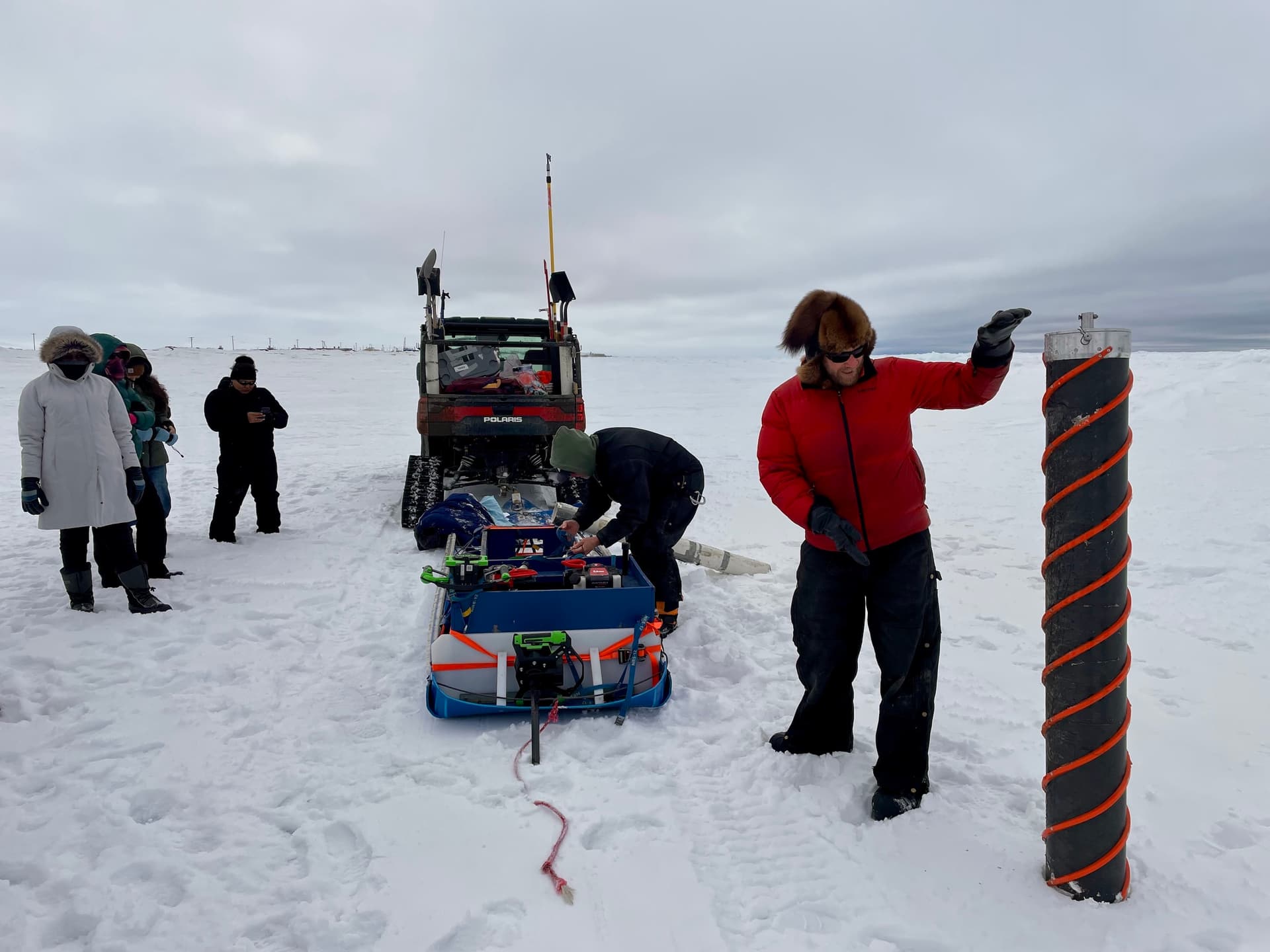
The Alaska Climate Research Center said sea ice stayed at or near record-low levels through April, and by late that month daily sea ice extent had set record lows on 28 days so far in 2026. That pattern is especially important in Utqiaġvik, where the University of Alaska Geophysical Institute uses a sea-ice webcam and radar observations to build a longer record of fall ice formation, stable ice cover, spring melt and early-summer breakup.
For residents and hunters, those milestones are not abstract. Researchers describing Arctic life in 2025 said local hunters rely on safe sea ice to reach whales and seals, and that warmer conditions are shortening the time ice is safe to travel while reducing the coastal protection it provides. In Utqiaġvik, where the ocean and the town’s daily routines are closely linked, a June that still feels like winter signals a season that is arriving late in one sense and moving fast in another.
This article was produced by Prism’s automated news system from verified source data, official records, and press releases, then run through automated quality and moderation checks before publishing. The system is built and supervised by the people who set the standards it runs under. Read our full AI policy.
Know something we missed? Have a correction or additional information?
Submit a Tip