Beatty museum preserves 3,000 images and 10,000 artifacts
Beatty’s museum is a practical archive, with 3,000 images, 10,000 artifacts and oral histories that help track mining, land use and family history.
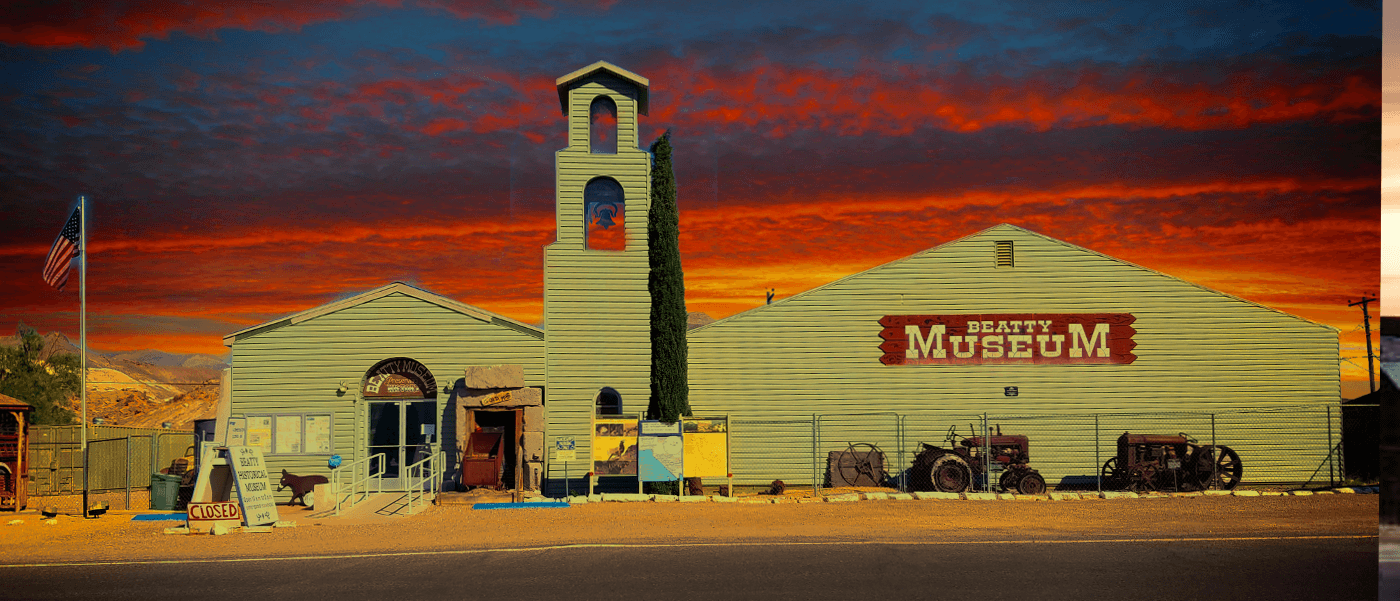
Beatty’s museum is more than a display room on West Main Street. With more than 3,000 historic images, more than 10,000 archival artifacts and a growing research file, it functions as Nye County’s living archive for family history, mining records and the changing story of Beatty and the Bullfrog Mining District. That matters now because growth, turnover and development make local memory a form of civic infrastructure.
A working archive on West Main Street
The Beatty Museum and Historical Society is located at 417 West Main Street in Beatty, Nevada 89003, and it is open free to the public Tuesday through Saturday from 10 a.m. to 3 p.m. Its collections policy says the museum exists to preserve the heritage of Beatty, the Bullfrog Mining District, the surrounding mining camps of Nye County and any item of historical significance that reflects that history. In practice, that means the museum is not just preserving objects for display. It is preserving the evidence people use to verify where they came from, how the town changed, and what the mining country looked like before pavement, subdivision maps and modern construction replaced older uses.
The museum’s own records show how community-built that role has been. The Beatty Museum and Historical Society was organized in May 1995 and chartered in August 1995. Its history page says the idea began that same spring, when Claudia Reidhead, Vonnie Gray and Mary Revert gathered a small group for a coffee meeting, and the first museum opened in Claudia Reidhead’s small cottage. The amended bylaws are dated February 2012, and the restated charter is dated February 19, 2015.
What the collection holds
The research guidelines page makes clear that the museum’s holdings are substantial: over 3,000 historic images, over 10,000 archival artifacts, a growing research file and a small, non-lending book library. That combination gives the museum a practical role for residents and institutions that need more than a general history panel or a social media memory post.
The museum says its research materials are used for in-house research, publications, exhibits, publicity and educational programming. They are also available to historians, genealogists, students, journalists, publishers and others. That makes the collection useful in concrete ways: a family tracing a mining-era relative, a teacher building a local history lesson, a researcher comparing land use across generations, or a small business owner checking whether an old building, road name or district label has a documented past.
The museum’s research policy also asks visitors to make an appointment if they want to view photographs, documents or research files. Staff can pull items ahead of time, and the policy notes that the museum has limited library space and a small staff. Appointment-holders take precedence over drop-ins, but the museum says staff still try to help everyone. For anyone looking for a specific image, mining reference, school record or neighborhood detail, that matters because the work is organized to save time and make the material usable rather than locked away.
How people use the archive
The value of the collection shows up in the way it supports ordinary research tasks. Beatty’s oral histories and images can help confirm what stood where, which families were in town, how work was done in the mines and how the community grew around the Bullfrog country. That is especially useful in a place where land use and settlement patterns shifted with mining booms, transportation changes and later development.
The museum’s materials are built for that kind of use. Photographs can help date buildings and streets. Research files can support school projects or public exhibits. The non-lending library gives visitors a place to consult local history without having to search far outside the county. Taken together, the collection gives Nye County a source that can answer practical questions about places, people and periods that are easy to lose once witnesses move away or records scatter.
Oral histories preserve the people behind the place
The oral-history collection gives the museum its strongest first-person record. The Nye County Town History Project includes interviews with Grace Davies, Jane Cottonwood, James H. “Sam” Colvin, Ralph and Chloe Lisle, Robert A. Revert, Claudia Reidhead, Jack and Maud-Kathrin Crowell, Ted “Bombo” Cottonwood and Robert A. Revert. The broader Nye County history site lists 120 oral histories, 13 books, census records from 1870 to 1940, 9 documents, 1,192 photos, 14 cemeteries and 58 movies across the project.
Those interviews preserve details that formal summaries often leave out. Jane Cottonwood’s oral history covers moving to Nye County, meeting Bombo, waitressing in Beatty, horse shows and building a business. James H. “Sam” Colvin’s interview includes working at the Gold Ace mine, building a mill, Carrara in 1933 and milling at Gold Point. Ralph and Chloe Lisle discuss early days in Fernley, the Clay Camp at Ash Meadows and early Beatty.
The interview chapters matter because they turn place names into lived experience. Mining camps, roads, jobs, schools, social life and business growth appear in the voices of people who lived through them. That kind of record is especially important in a county where the same landscape can hold traces of Western Shoshone and Paiute history, early ranching, mining expansion and later tourism all at once.
The digital collection extends the paper trail
The museum’s digital-collection page says the materials were created to preserve and make available the local history of Beatty and the surrounding area, including items sent by descendants for research purposes. That adds a modern layer to an already active archive. Family photos, donated documents and digitized materials make it easier to connect names, faces and places across generations without requiring every researcher to visit in person.
That digital work fits the museum’s broader purpose statement, which centers Beatty, the Bullfrog Mining District and the surrounding mining camps of Nye County. It also helps explain why the collection remains relevant outside museum walls. A descendant checking a family story, a teacher building a unit on local mining, or a reporter verifying a photo caption can all start with the same materials.
Beatty’s deeper history gives the archive its frame
Local history pages place Beatty at a crossroads of regional change. They describe the town as the gateway to Death Valley and the heart of the Bullfrog Mining District. They also say Montillus “Old Man” Beatty purchased the Lander Ranch in spring 1896, and that Shorty Harris and Ed Cross found gold in August 1904, helping bring the Bullfrog Mining District into being.
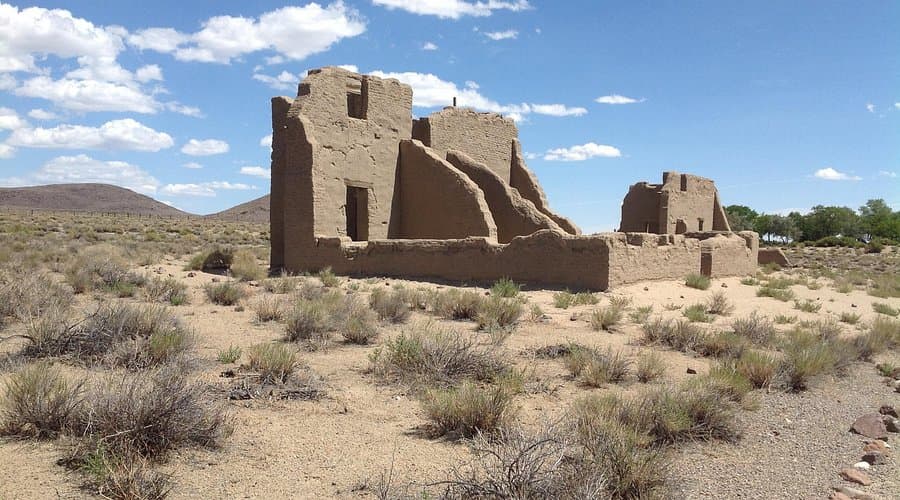
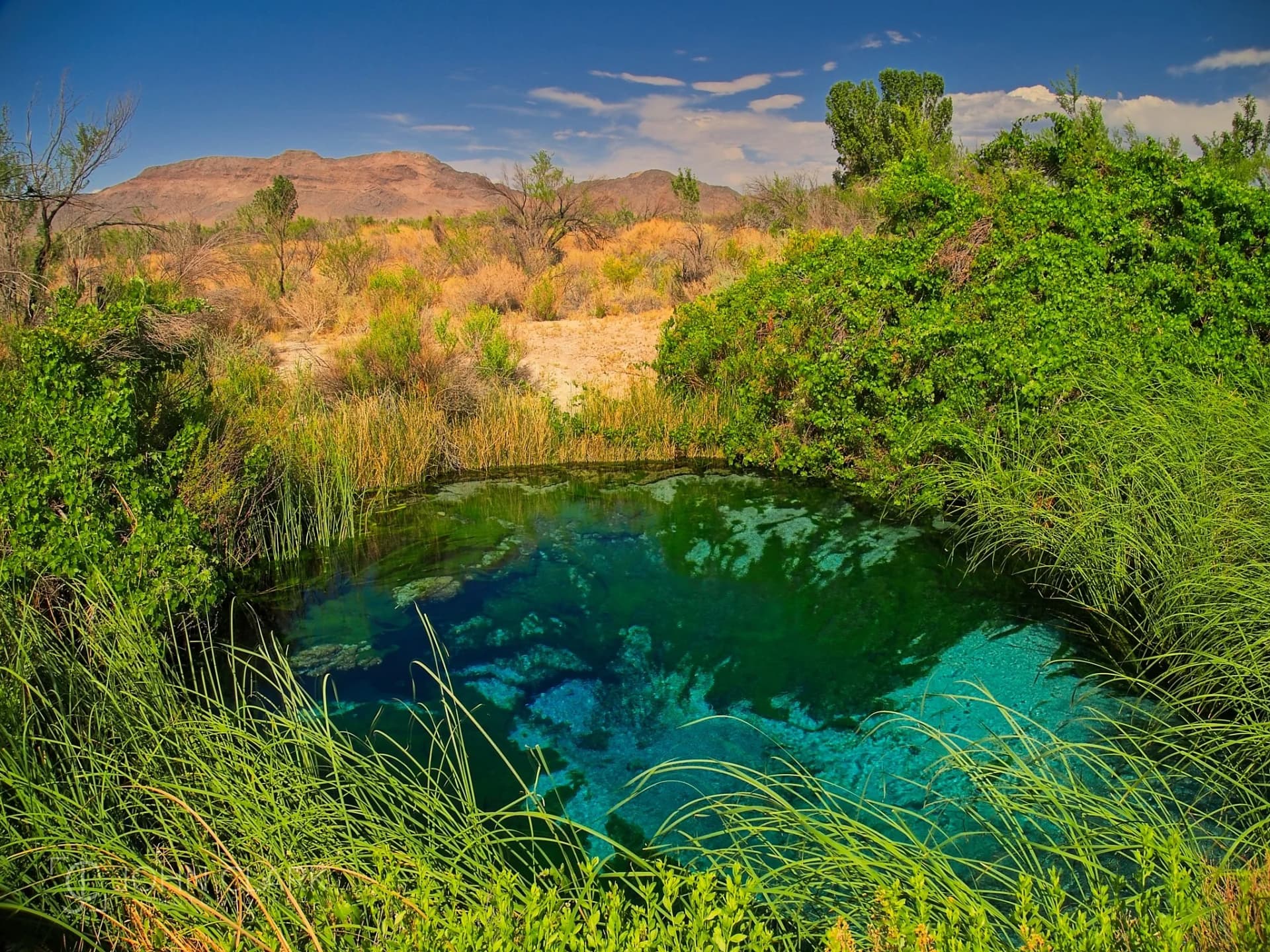
The same local history account notes that the Oasis Valley remained isolated until the late 1870s and was occupied by Western Shoshone and Paiute people before Euro-American settlement expanded. Those details matter because they show that Beatty’s archive is not just about one town museum keeping souvenirs. It is about preserving the record of a landscape shaped by Indigenous presence, ranching, mining strikes and later community building.
For Nye County, the Beatty Museum and Historical Society fills a role that is both practical and immediate. It keeps a working archive on West Main Street, with public hours, appointment-based research access and a collection broad enough to support residents, researchers and teachers. As the county continues to change, the museum’s images, artifacts and oral histories remain one of the clearest ways to keep the past readable.
This article was produced by Prism’s automated news system from verified source data, official records, and press releases, then run through automated quality and moderation checks before publishing. The system is built and supervised by the people who set the standards it runs under. Read our full AI policy.
Did this article answer your question?