Fort Churchill State Historic Park preserves Nevada's frontier military history
Fort Churchill is a Carson River stop where preserved 1860 ruins, Buckland Station and river access fit into one drive. It is one of the easiest frontier-history add-ons for Nye County road trips.
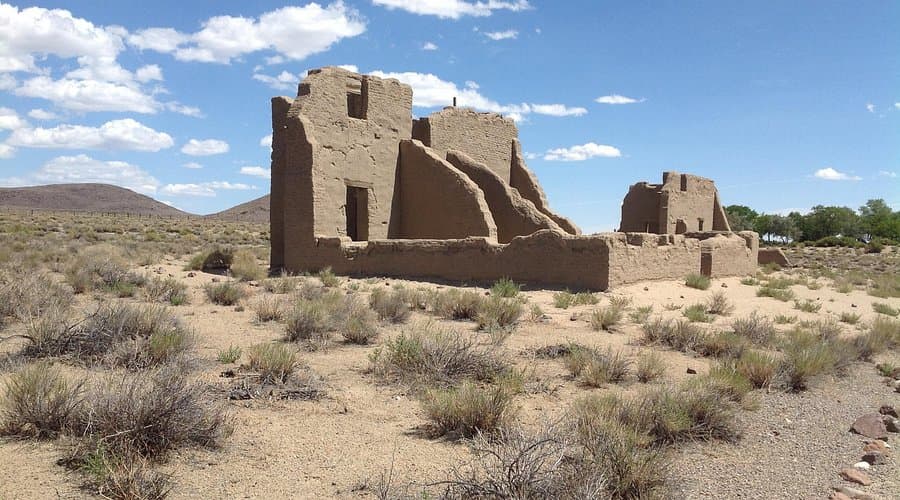
Fort Churchill State Historic Park gives Nye County road-trippers a practical frontier stop, not just a lesson in old military history. The preserved ruins sit along the Carson River corridor near Silver Springs, and the park pairs them with Buckland Station, designated trails, and camping or day-use space on the Carson River Ranch section. For anyone weighing where to spend a day’s fuel and travel dollars, it is a compact alternative to the better-known heritage draws farther into Nye County.
What you can see now
Fort Churchill was built in 1860, and the site still reads as a military outpost rather than a rebuilt theme attraction. Nevada State Parks preserves the ruins in a state of arrested decay, which means the structures remain stabilized as ruins instead of being reconstructed into something new. Visitors can walk designated trails to observe what is left on the ground, so the park works as an open-air site where the landscape itself does much of the interpretation.
The historical reason for the fort was direct and urgent. Nevada State Parks says it was built to protect early settlers and westbound emigrants and to guard the Pony Express and telegraph lines. The National Park Service describes the site as a 200-acre military reservation established in 1860, and a National Register account notes that Connor detached a company of infantry and one of cavalry to man the post in Carson Valley.
That mix of ruins, river setting and trail access makes the park useful for more than a quick photo stop. The Carson River Ranch area adds public-land value to the visit, with Scout Camp located there adjacent to the river. The park also functions as a place for camping and day use, which gives the trip a second purpose beyond history alone.
Why Buckland Station matters
Buckland Station is part of Fort Churchill State Historic Park, and it broadens the story from military defense to daily frontier survival. Nevada State Parks says Buckland Station sold fresh vegetables and other supplies, including barley, hay and cattle, to western emigrants and Fort Churchill staff during the 1860s. That supply role helps explain why this corridor mattered so much: forts, farms and stage stops all depended on one another.
Samuel S. Buckland settled on the Carson River in 1859, established a ranch and station stop for the Overland Stage Company, and built the first toll bridge to exist downstream from Genoa. In other words, Buckland Station was part of the transport and commerce system before the fort was even fully established. It was not a side note to the military site, but a working neighbor that helped keep the corridor moving.
The personal history around the station is part of what gives the site texture today. Nevada State Parks says that about a year later, in failing health, Samuel Buckland sold his property and went to live with his son George in Dayton. After Mr. Kiser died, the property was sold to Lon and Charles Towle, who kept the ranch until 1917. Those names turn the site from a static ruin into a place shaped by changing ownership, hard work and survival on the Carson River.
How Fort Churchill fits the larger frontier corridor
Fort Churchill only makes full sense when you place it inside the web of travel routes crossing western Nevada. The fort guarded not just settlers, but the communications spine of the overland West, including the Pony Express and telegraph lines. That was the federal government’s answer to a region where movement, mail and military presence all had to share the same narrow corridor.
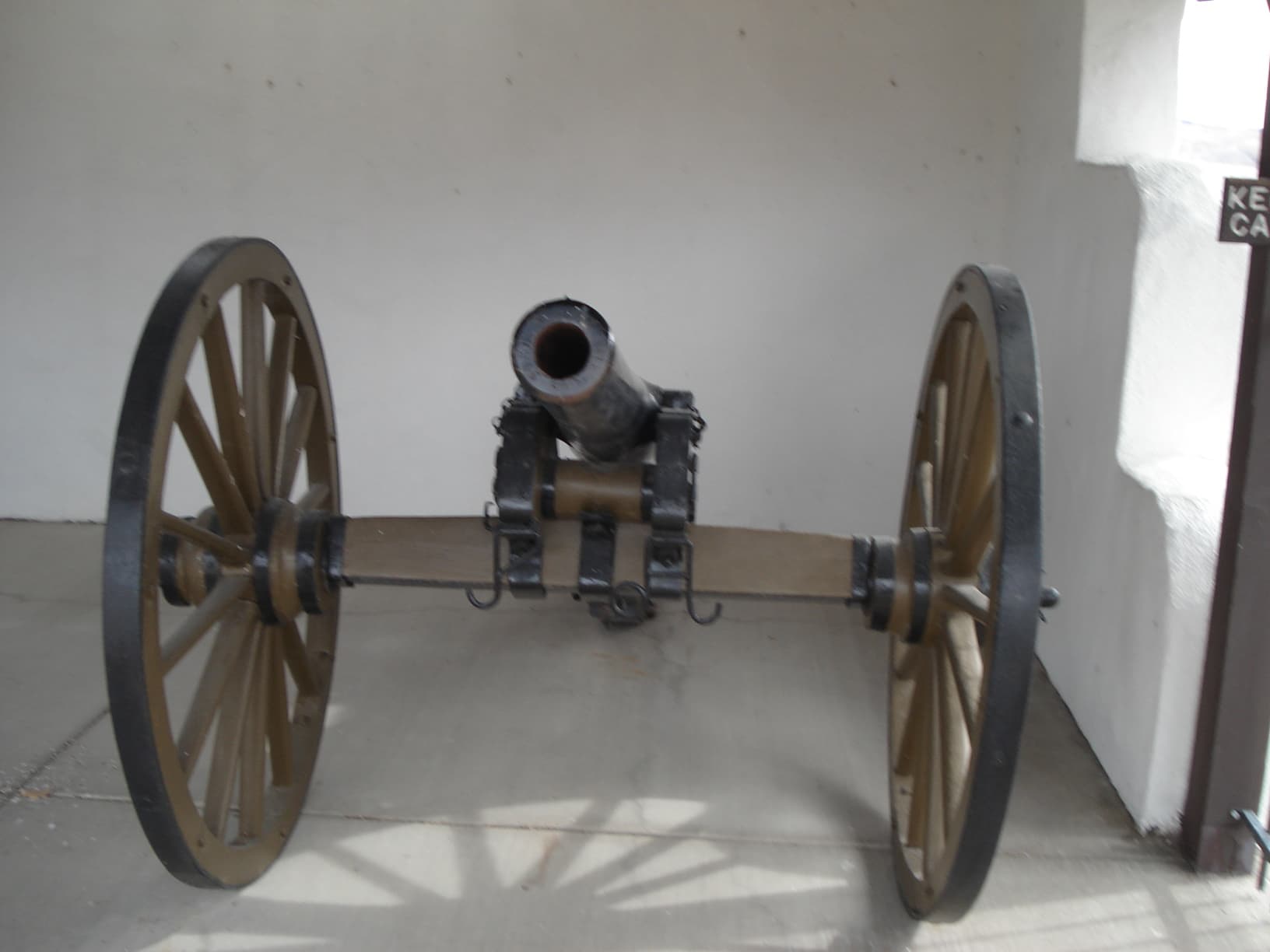
For visitors, that history shows up in a very modern way: the park gives you one destination with two layers of interpretation. You get the military post itself and Buckland Station, which explains how emigrants, stage lines and supply chains functioned on the same ground. The result is a site that is easier to understand in person than in a textbook, because the river, the trails and the ruins sit together in one landscape.
How it compares with other Nye County heritage stops
Fort Churchill is also part of a broader regional competition for road-trip time and local travel spending. Nye County has several strong history stops of its own, and travelers often have to choose between a military site, a mining park or a ghost-town loop. Tonopah Historic Mining Park sits on the original mining claims that launched Tonopah after the 1900 strike by Jim and Belle Butler, covers more than 100 acres, and includes preserved and restored equipment and buildings, historic exhibits, a theater presentation, a self-guided tour and a guided Polaris tour.
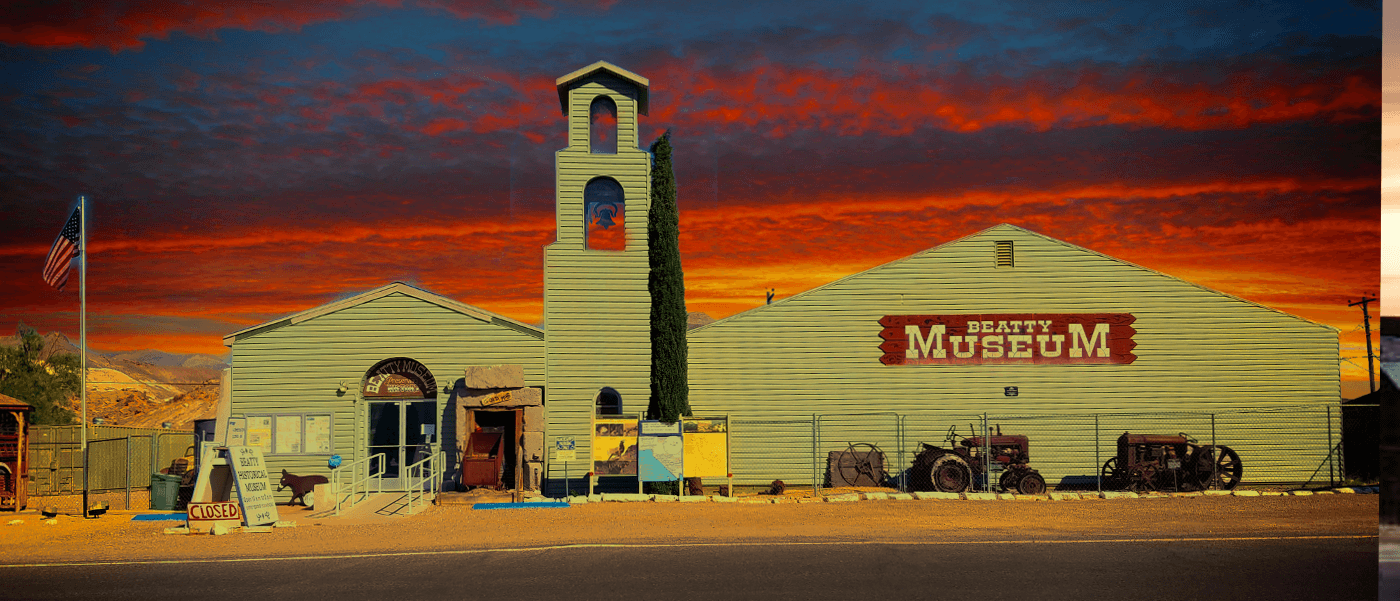
Beatty offers a different draw. Trail systems in the Beatty area link mining routes and 4WD routes to Rhyolite, Goldwell Open Air Museum and historic mining sites, while Goldwell itself is an outdoor sculpture park near Rhyolite, about 4 miles west of Beatty off State Route 374. Those sites pull the same kind of road-tripper who might otherwise spend a day at Fort Churchill, especially when the goal is to mix history with desert scenery and a stop that feels distinct from a standard museum visit.
That is why Fort Churchill works best as part of a larger Nye County itinerary, not as an isolated detour. It gives you a real military reservation from 1860, a preserved ruin field, Buckland Station’s supply history and a river setting that still invites a stop. In a county where distance matters and every side trip has to earn its place, that combination gives Fort Churchill a clear edge as a driveable heritage destination with immediate payoff.
This article was produced by Prism’s automated news system from verified source data, official records, and press releases, then run through automated quality and moderation checks before publishing. The system is built and supervised by the people who set the standards it runs under. Read our full AI policy.
Did this article answer your question?