Nevada KinCare program offers aid to relatives raising children in crisis
A Pahrump grandparent taking in kids after a parent’s substance-use crisis may qualify for up to $430 per child, but the aid ends June 30, 2027.
A crisis that lands at the front door
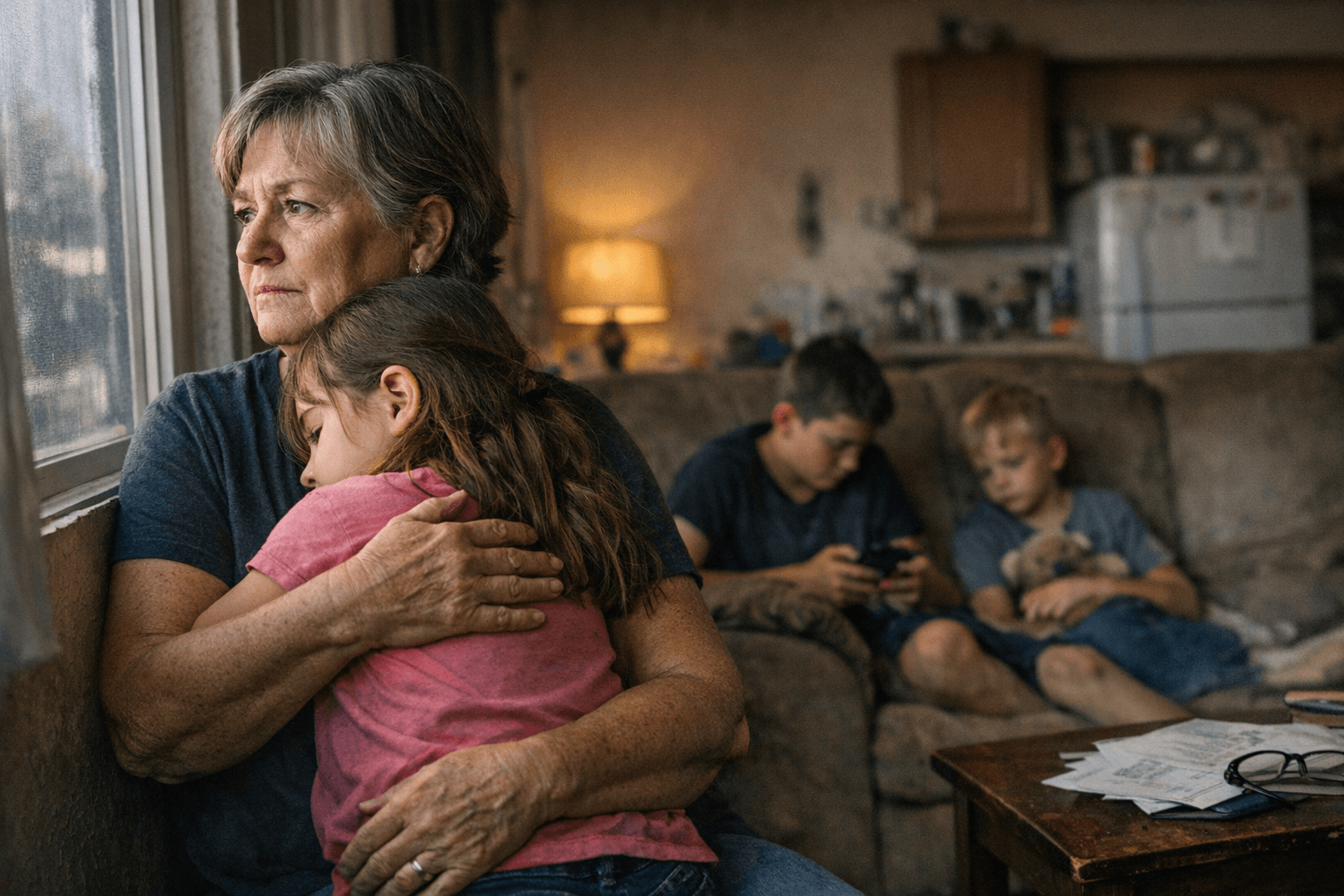
A Pahrump grandmother who suddenly takes in two grandchildren after a parent’s substance-use crisis now has a new source of help: Nevada’s KinCare program can pay up to $430 a month for each eligible child. The aid is meant for relatives who step in fast, often before any court process or foster placement is sorted out, and it runs through June 30, 2027.
What KinCare is designed to do
Nevada announced KinCare on April 2 as a statewide benefit for relatives caring for children after substance misuse disrupts a parent’s ability to provide care. The program was created with funding from the Fund for a Resilient Nevada during the 83rd Legislative Session, a sign that the state sees kinship care as more than a family favor, it is a public policy response to a recurring crisis.
State officials say roughly 4,800 Nevada families may be eligible. Deputy Administrator Kelly Cantrelle said the program was built for families who step up in moments of crisis, and she noted that keeping children with family leads to better outcomes. That matters in Nye County, where relatives often become the first and only safety net when a parent cannot safely keep a child at home.
Who qualifies, and what the benefit pays
KinCare is aimed at relatives caring for children who were removed from, or voluntarily surrendered by, parents or guardians because of substance misuse. The help is not a blanket payment for every grandparent or aunt raising a child. It is tied to a specific child welfare situation, and the monthly benefit can reach up to $430 per eligible child depending on household income.
That income test matters. Some families will qualify for the full amount, while others will receive less. The basic policy goal is straightforward: if a child lands in a relative’s home because of a family emergency, the state will help offset part of the cost of keeping that child safe, housed and fed.
The benefit is temporary, not open-ended. KinCare is available only through June 30, 2027, so families facing a crisis now need to look at it as a bridge, not a permanent income source.
How to apply from Nye County
Families do not need to wait for a perfect case file before acting. Nevada law limits what child welfare agencies and caregivers can verify about these kinds of family arrangements, which is why officials are urging relatives to apply rather than hold back until every document is in place. In a fast-moving crisis, the reality of who is caring for the child can arrive long before the paperwork does.
Applications are available through Clark County Family Services, the State Division of Child and Family Services, Washoe County Human Services Agency, and Foster Kinship. The materials must be returned through the child welfare agency channel. For Nye County residents, that makes the state Division of Child and Family Services and Foster Kinship especially important entry points when a child is suddenly placed with family in Pahrump, Beatty or another local community.
The practical lesson is simple: if a child has already moved in with you because a parent could not safely care for them, do not assume you are disqualified just because the arrangement happened quickly. The program was built with those emergency moments in mind.
Why the issue hits home in Nye County
Kinship care is not rare in Nevada, and the numbers show how large the need already is. Foster Kinship’s 2023 annual report said about 30,000 children in the state were living in kinship care, with 26,000 of them in Clark County. That concentration in Southern Nevada can make the problem look urban on paper, but the underlying pattern is statewide: relatives step in when families break under pressure.
Foster Kinship says it served 3,244 unique families in 2024 and has helped more than 24,000 children to date. That scale shows how many Nevada households are already carrying responsibilities that often come with little warning and little formal support. For rural counties like Nye, where family ties can be the only available support system, the burden can land hard and fast.
National figures underline the same reality. The U.S. Census Bureau reported that about 6.7 million adults age 30 and over lived with their grandchildren in 2021, and about 32.7% of grandparents living with grandchildren under 18 were responsible for their care. In other words, this is not an unusual family arrangement, it is a common response to disruption.
A March 2026 federal analysis added another layer: 39% of children in foster care in fiscal 2024 lived with relatives or kin, and 44% of those children were in unlicensed homes. That is where programs like KinCare can make a difference. They do not solve every problem, but they can help keep children with people they know while easing some of the financial pressure that comes with stepping in overnight.
Where the gaps remain
KinCare is practical, but it is not a full fix. The benefit is limited in time, capped by income, and tied to a specific child welfare context. It also does not erase the broader problem that many kinship homes remain outside the licensed foster system, which can make it harder for families to access the support they need.
For Nye County, that gap is especially important. When a parent’s substance misuse sends a child into a relative’s home, the family may avoid a formal foster placement and some court involvement, but it still inherits the costs, uncertainty and strain. KinCare offers a modest cushion in that moment. It will not settle every family emergency, but it gives grandparents, aunts, uncles and other relatives a better chance to keep children rooted in family instead of pushing them into a more disruptive placement.
This article was produced by Prism’s automated news system from verified source data, official records, and press releases, then run through automated quality and moderation checks before publishing. The system is built and supervised by the people who set the standards it runs under. Read our full AI policy.
Did this article answer your question?