Nevada warns of longer, hotter 2026 wildfire season ahead
Nye County is already under fire restrictions as state and federal officials warn low snowpack, drought and heat could make 2026 longer and more dangerous.
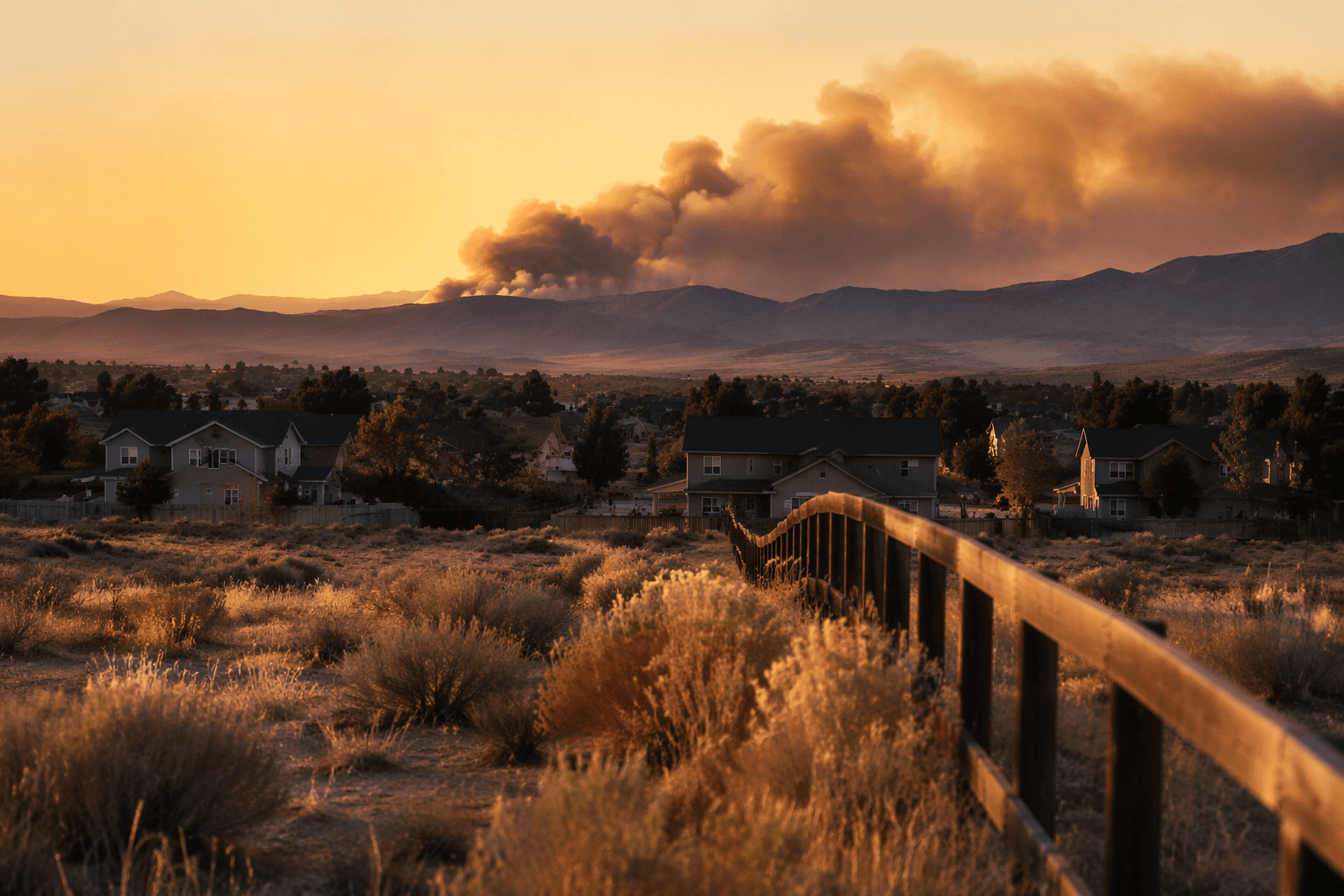
Nye County residents in Pahrump, Tonopah and the outlying desert communities are already living under early-season fire restrictions as state and federal agencies brace for a hotter, longer wildfire season. Statewide Bureau of Land Management restrictions took effect May 1, followed by BLM Southern Nevada District fire-prevention orders on May 26, Spring Mountains National Recreation Area Stage 1 restrictions on May 22 and Lake Mead National Recreation Area restrictions on May 29.
Gov. Joe Lombardo received the wildfire outlook briefing on May 20 from state and federal fire officials, including the Nevada Division of Forestry, the U.S. Forest Service and the Bureau of Land Management. Ryan Shane, Nevada’s state forester and fire warden, said 2026 will be challenging because abundant fuels and early drought conditions are raising wildfire risk. Jim Wallmann, a meteorologist with the National Interagency Coordination Center, pointed to low Sierra snowpack and available fuel as two of the biggest factors shaping fire activity.
That combination matters in Nye County, where long distances, rural access roads and a mix of public and private land can turn a small ignition into a costly response. Officials warned that wildfire risk could arrive in Southern Nevada as soon as June, while the broader danger window expands across Northern Nevada in July and August as temperatures climb and the landscape dries further across the Western United States.
The scale of last year’s fire season shows why officials are pushing prevention now. Nevada fire officials said more than 300 of the state’s 579 fires in 2025 were human-caused. A Nevada Department of Wildlife presentation listed 395,302 acres burned statewide and said Nye County accounted for about 51,428 of those acres. In Southern Nevada, more than 90% of public-land fires were human-caused and mostly accidental and preventable, according to federal wildland fire officials cited by local media.
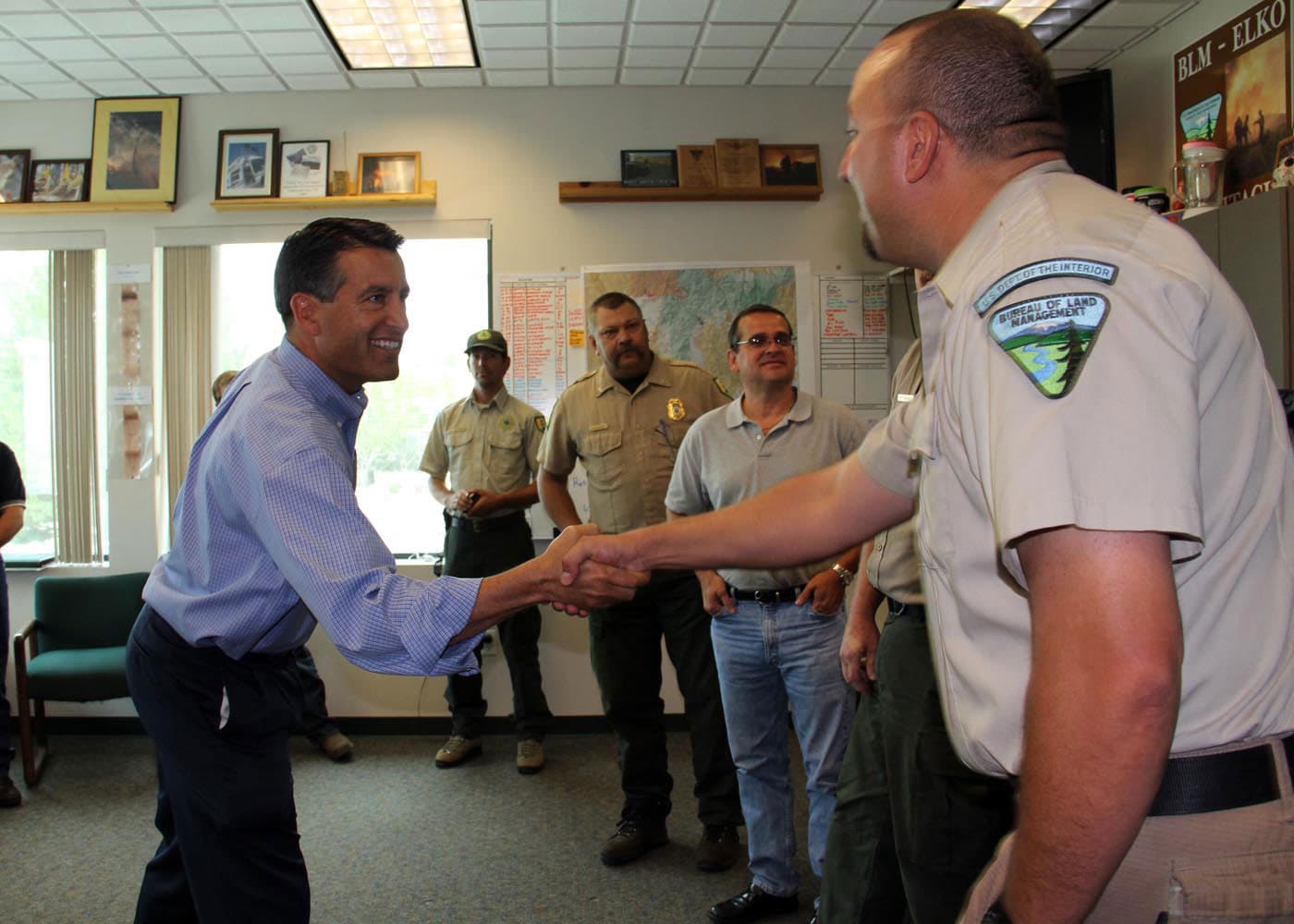
The restrictions now in place ban fireworks, explosives, tracer and incendiary ammunition, and engines without properly working spark arresters on public lands managed by the BLM and U.S. Forest Service in Nevada. State officials are also watching the federal transition to the U.S. Wildland Fire Service, announced by the Interior and Agriculture departments in September 2025, but they do not expect immediate disruptions on the ground.
For Nye County, the warning is not abstract. With dry range conditions already setting in and response times stretched by distance, the next fire will test how well residents and agencies use the restrictions already on the books.
This article was produced by Prism’s automated news system from verified source data, official records, and press releases, then run through automated quality and moderation checks before publishing. The system is built and supervised by the people who set the standards it runs under. Read our full AI policy.
Did this article answer your question?