Pahrump growth and geography shape Nye County’s population center
Pahrump’s desert position and ranching past made it Nye County’s population center, with growth spreading across 364 square miles and reshaping services.

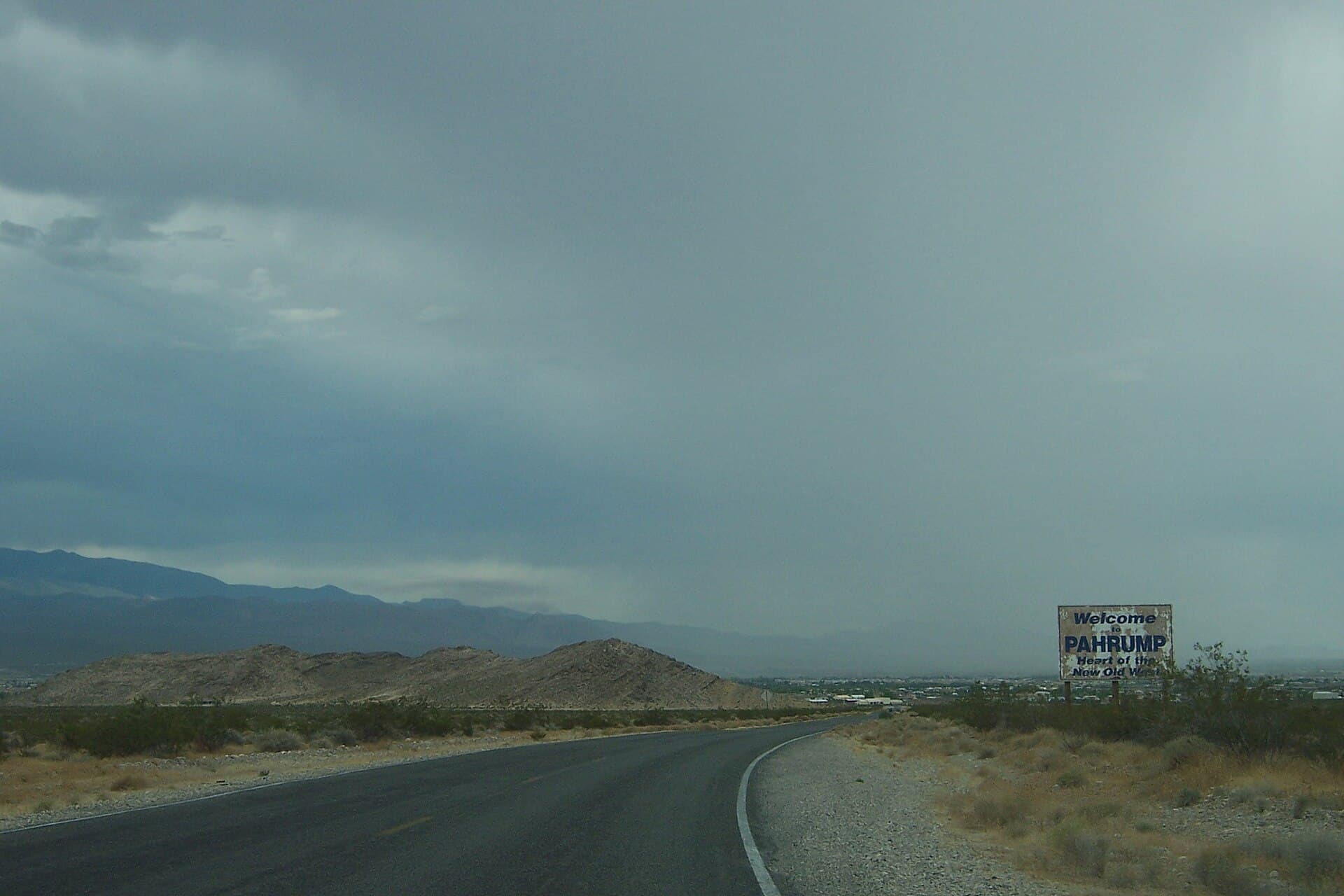
Pahrump sits at the southernmost tip of Nye County, about 60 miles west of Las Vegas and about 60 miles east of Death Valley, and that location has made it the county’s population center. The same valley that once held ranches now stretches across roughly 364 square miles, so homes, roads, and businesses spread over a much wider footprint than they would in a compact city.
Why the map matters
Nye County describes Pahrump as an unincorporated town, and that matters because the county itself carries much of the planning burden for a place that functions like a regional hub without being a city. The county’s 2020 population was 51,591, while Census Reporter’s Pahrump census county division estimate lists 47,465 people in the Pahrump area with a median age of 52.9, a sign that most of the county’s residents are concentrated there.
Other public data snapshots show how the town is measured in different ways. Apple Maps lists Pahrump as an unincorporated community in Nye County with a population of 44,738, an elevation of 2,697 feet, and an area of 302 square miles. Taken together, those figures point to the same reality: Pahrump is the human center of a very large county, and its scale shapes how far people travel for work, shopping, school, and county services.
The town’s geography also explains why development patterns look the way they do. Nye County says Pahrump is about 35 miles long and 8 to 15 miles wide, which means growth tends to spread outward instead of stacking up tightly. That physical layout has long influenced where land can be developed, where services can reach, and how quickly the county can respond to new pressure.
From ranch valley to settlement pattern
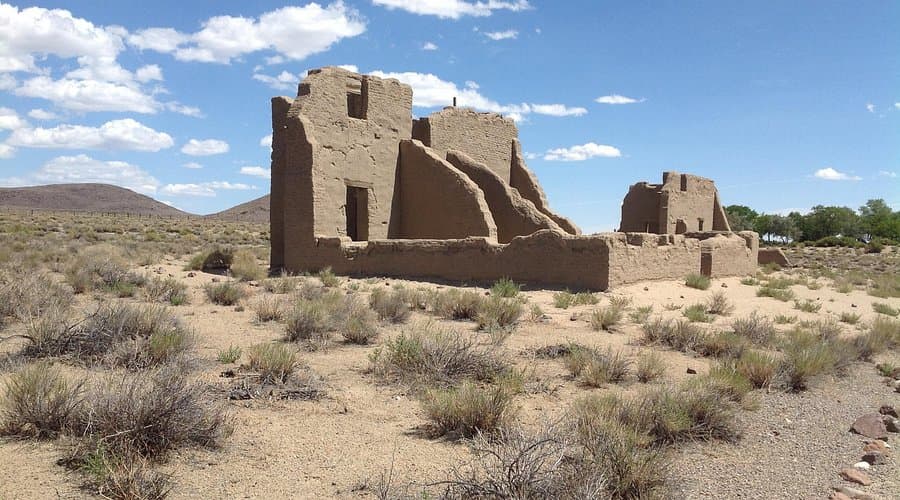
Pahrump Valley was not a blank slate when modern growth arrived. American settlers began arriving in the late 19th century, and the early settlement pattern was ranch-oriented, with cotton, alfalfa, and livestock anchoring daily life. Local-history material identifies Aaron and Rosie Winters among the first permanent settlers, and they established a ranch in the late 1880s.
That agricultural beginning still echoes in the valley’s form. Ranching depended on large parcels, open land, and access to water, and those same features helped create a community where property remains spread out and neighborhood edges are not as sharply defined as they are in older Nevada cities. The result is a landscape that still carries the imprint of its original land use, even as the county seat functions around it have changed.
The name itself reaches back further than the ranch era. Nye County’s 2022 Pahrump Regional Planning District profile says “Pahrump” comes from the Southern Paiutes who inhabited the valley centuries ago. That Indigenous background predates the American settlement period and places the valley’s identity in a much longer timeline than the one visible in today’s subdivisions and road corridors.
The 1960s brought speculation and connection
Interest in Pahrump increased in the 1960s, when large-scale land development and speculation began to reshape the valley. The county also notes the introduction of telephone service as part of that transition, a small detail that marked a major shift for a once-isolated ranch landscape. It was the point when the valley started to feel more connected to Southern Nevada’s broader economy and migration patterns.
In 2019, Valley Electric said Pahrump got its first phones in 1963 for most residents, though limited service may have existed before then. UNLV Special Collections and Archives preserves the Southern Nevada Telephone Company Collection, which covers 1957 to 1966, placing Pahrump’s communications shift inside a wider regional expansion of infrastructure during the same years. That same period helped move the valley from a ranch economy toward a place defined by speculation, access, and long-term growth expectations.
The infrastructure changes mattered because they changed how far Pahrump could reach beyond its agricultural roots. Once telephone service and land development arrived together, the valley became easier to market, easier to subdivide, and easier for new residents to imagine as a place to live on the edge of the Las Vegas orbit while still keeping a rural-desert identity.
Why unincorporated status still shapes the future
A 2010 draft incorporation feasibility analysis prepared for the Town of Pahrump shows that questions about governance were active enough to require a formal study. That is important context for a community that had already grown large enough to function as the county’s population center but had not become a city. The question was not just what Pahrump was becoming, but who would manage its growth.
That issue remains tied to the town’s geography. Because Pahrump occupies a broad valley rather than a compact urban core, development spreads across long distances, and county planning has to account for a community that is both dense enough to matter and dispersed enough to be expensive to serve. Nye County’s own materials make clear why it keeps close track of Pahrump: in a county of 51,591 people, the town holds most of the population and much of the pressure that comes with it.
Pahrump’s story is, at root, the story of how a ranch valley became the center of Nye County without ever losing the shape of the land beneath it. The same geography that once supported cotton, alfalfa, and livestock now governs where growth can go next, and the county’s biggest decisions still begin with that valley’s size, distance, and history.
This article was produced by Prism’s automated news system from verified source data, official records, and press releases, then run through automated quality and moderation checks before publishing. The system is built and supervised by the people who set the standards it runs under. Read our full AI policy.
Did this article answer your question?