Former Skyline Apartments tenants may get share of $800,000 settlement
Former Skyline tenants who endured flooding, bugs and code violations may claim part of an $800,000 deal, with some payouts reaching $22,275.

Former Skyline Apartments tenants who lived through flooding, bugs, crime and chronic code violations at 753 James Street may now claim a share of an $800,000 settlement. The deal puts a dollar figure on years of complaints about one of Syracuse’s most notorious housing failures, where daily life for residents was defined by disrepair long before the building became vacant.
The class-action case was filed in June 2021 by Martina S. Carter, Anne M. McCheyne and Lawrence I. Fuller, with Legal Services of Central New York representing the tenants. The legal aid office reportedly agreed not to take attorney fees from the settlement, and each class member could receive up to $22,275, with service awards reserved for the three named plaintiffs.
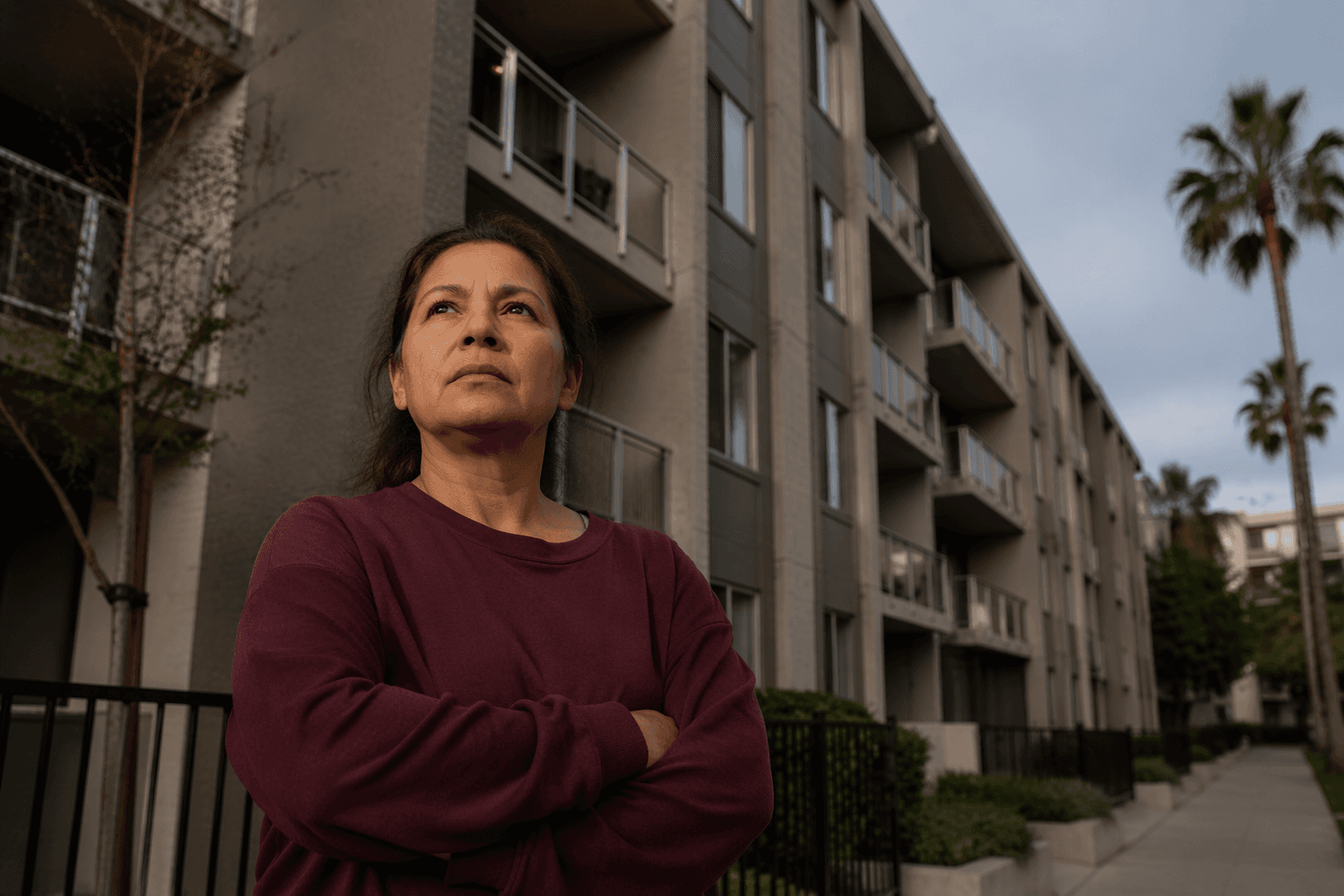
Eligibility turns on when and where someone lived. The settlement covers former tenants who were in Skyline Apartments when Tim and Troy Green owned the property, and one settlement notice says residents must have lived there for at least one month between Jan. 1, 2017, and July 14, 2023. Settlement materials describe Skyline as a 364-unit complex, while Syracuse city filings in 2025 referred to it as a 352-unit building.
Skyline’s decline helped drive some of the city’s most aggressive housing enforcement. Syracuse created the HOME Unit in June 2021 after conditions worsened at Skyline and other large rental properties, and city departments used nuisance-abatement and code-enforcement actions to push for repairs. Onondaga County Executive Ryan McMahon also announced in March 2021 that county social services would stop paying rent for tenants there, a rare public signal that the building had become unfit for routine housing use.
The complex also became tied to tragedy. Connie Tuori, 93, was murdered at Skyline in 2021, and her family later sued the owners. The property remained under pressure after that, with the City of Syracuse asking a court in April 2025 to replace Clear Investment Group with a receiver for the vacant building. A city agreement in September 2025 required the company to remediate the property for eventual occupation.
For former tenants, the settlement is a rare form of accountability after years in which the building’s problems outpaced the city’s ability to fix them. For renters still living in troubled Syracuse housing, it is also a reminder that code enforcement often moves slowly, and that dangerous conditions can harden into public crises before court orders, nuisance actions or settlements arrive.
This article was produced by Prism’s automated news system from verified source data, official records, and press releases, then run through automated quality and moderation checks before publishing. The system is built and supervised by the people who set the standards it runs under. Read our full AI policy.
Did this article answer your question?