Landmark board rejects revised Comstock Avenue mosque expansion plan
The mosque scaled back its plan, but Syracuse’s preservation board still found the revised expansion too large for Comstock Avenue and Oakwood Cemetery.

Syracuse’s Landmark Preservation Board rejected a revised plan on June 4 for the Islamic Society of Central New York’s mosque on Comstock Avenue, leaving in place a fight that has stretched for weeks over parking, traffic, preservation and religious use. The proposal would have added nearly 10,000 square feet to the mosque near Oakwood Cemetery, but board members still said the design did not fit the historic character of the surrounding area.
The latest rejection came after the mosque had already changed its plan in response to criticism. Even with those revisions, the board concluded the project remained too large for the site. That left neighbors and mosque leaders where they were before: arguing over whether the dispute is mainly a design problem, a trust problem, or both.
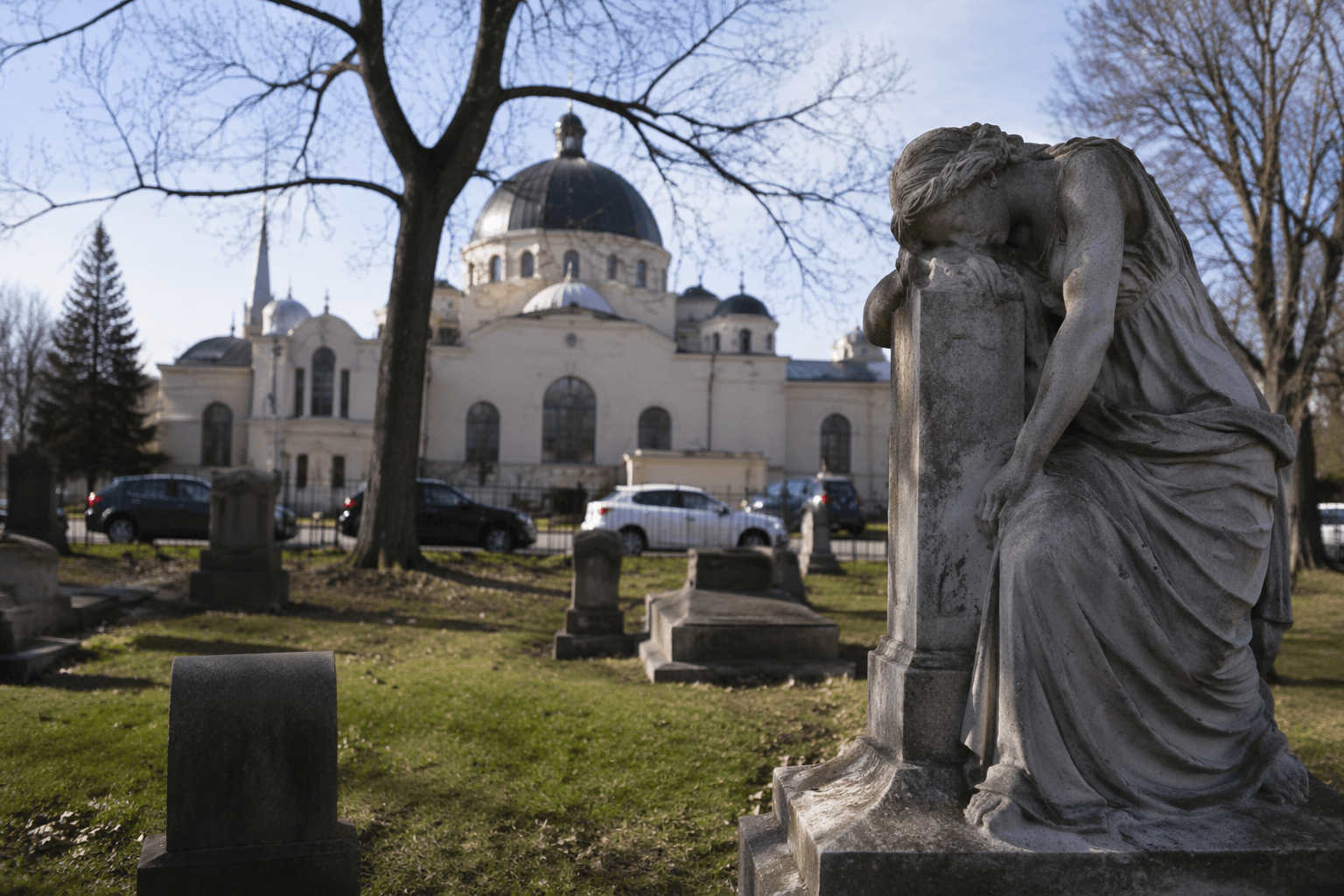
The conflict has been especially sharp because the mosque has stood next to Oakwood Cemetery for 44 years, long before the neighborhood was designated a historic district. Its location is also tied to Islamic burial practices, giving the site significance that goes beyond an ordinary building expansion. During the dispute, Islamic Society president Dr. Mohammed Mohammed said the mosque is the only appropriate Central New York location for Muslim funeral services.
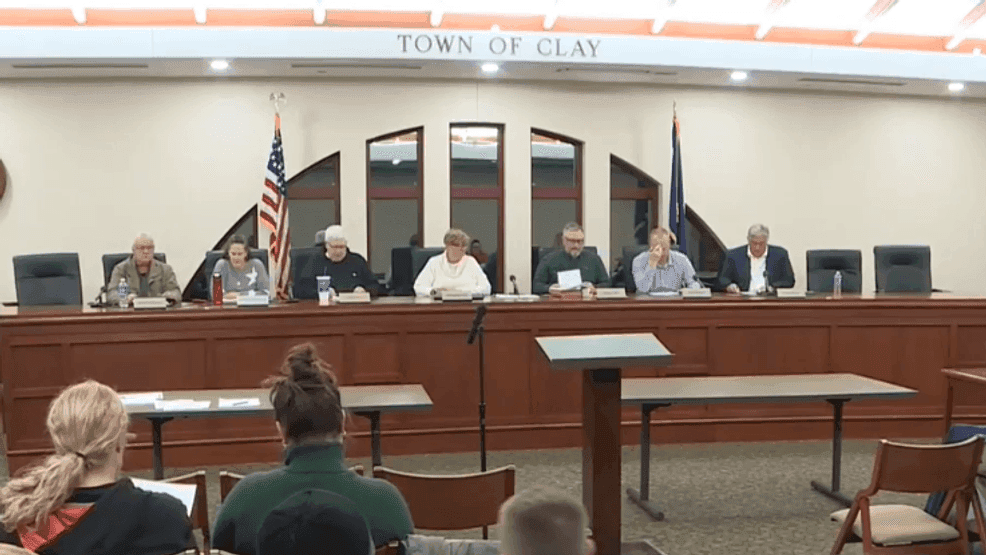
At a previous meeting on May 14, the board postponed a decision after about an hour of public comment from neighbors. Board members had asked for more detail and more time before making a final call, a sign that they were still weighing how the project would affect the area around Comstock Avenue and Oakwood Cemetery. The practical objections raised in the debate centered on parking, traffic and how a growing congregation can fit into an older urban setting.
The City of Syracuse Landmark Preservation Board is a seven-member, all-volunteer board appointed by the mayor. It administers the city’s Preservation Ordinance and reviews exterior alterations to designated properties or properties in preservation districts through the Certificate of Appropriateness process. In this case, that process became the battleground for a broader question facing Syracuse: how to accommodate a religious institution that needs more room without overwhelming a neighborhood that already sees itself as historic and closely watched.
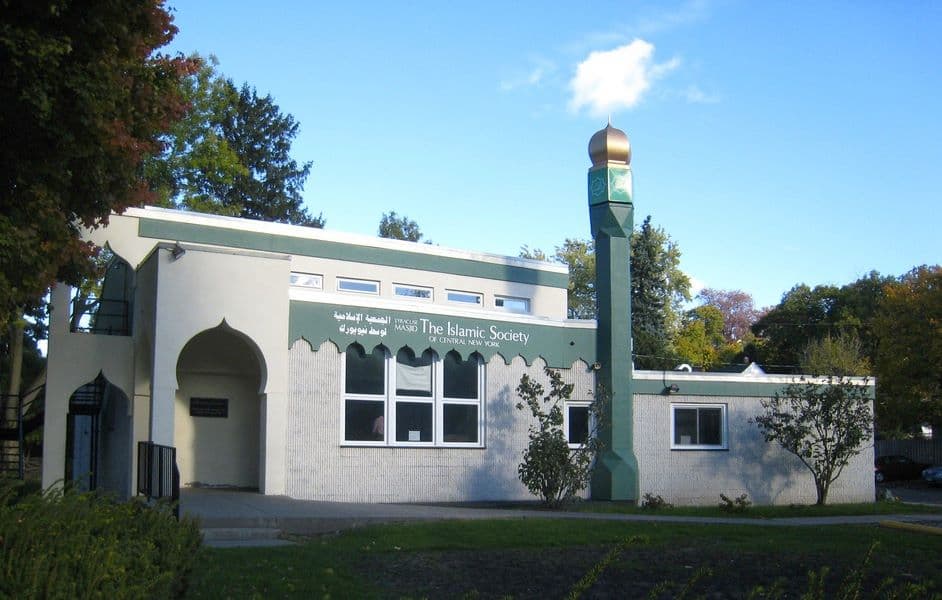
For the congregation, the decision forces a hard choice. It can keep negotiating, redesign again or pursue a different path that meets preservation officials’ standards while still serving worshippers, funeral families and older congregants who would benefit from more space and better access. For nearby residents, the board’s ruling means the dispute is not over, and neither is the question of how much change Comstock Avenue can absorb.
This article was produced by Prism’s automated news system from verified source data, official records, and press releases, then run through automated quality and moderation checks before publishing. The system is built and supervised by the people who set the standards it runs under. Read our full AI policy.
Did this article answer your question?