Onondaga County holds hearing on growth, schools and communities
Residents weighed Micron-era growth at a North Syracuse school library, where schools, traffic and neighborhood impacts dominated the county’s latest hearing.
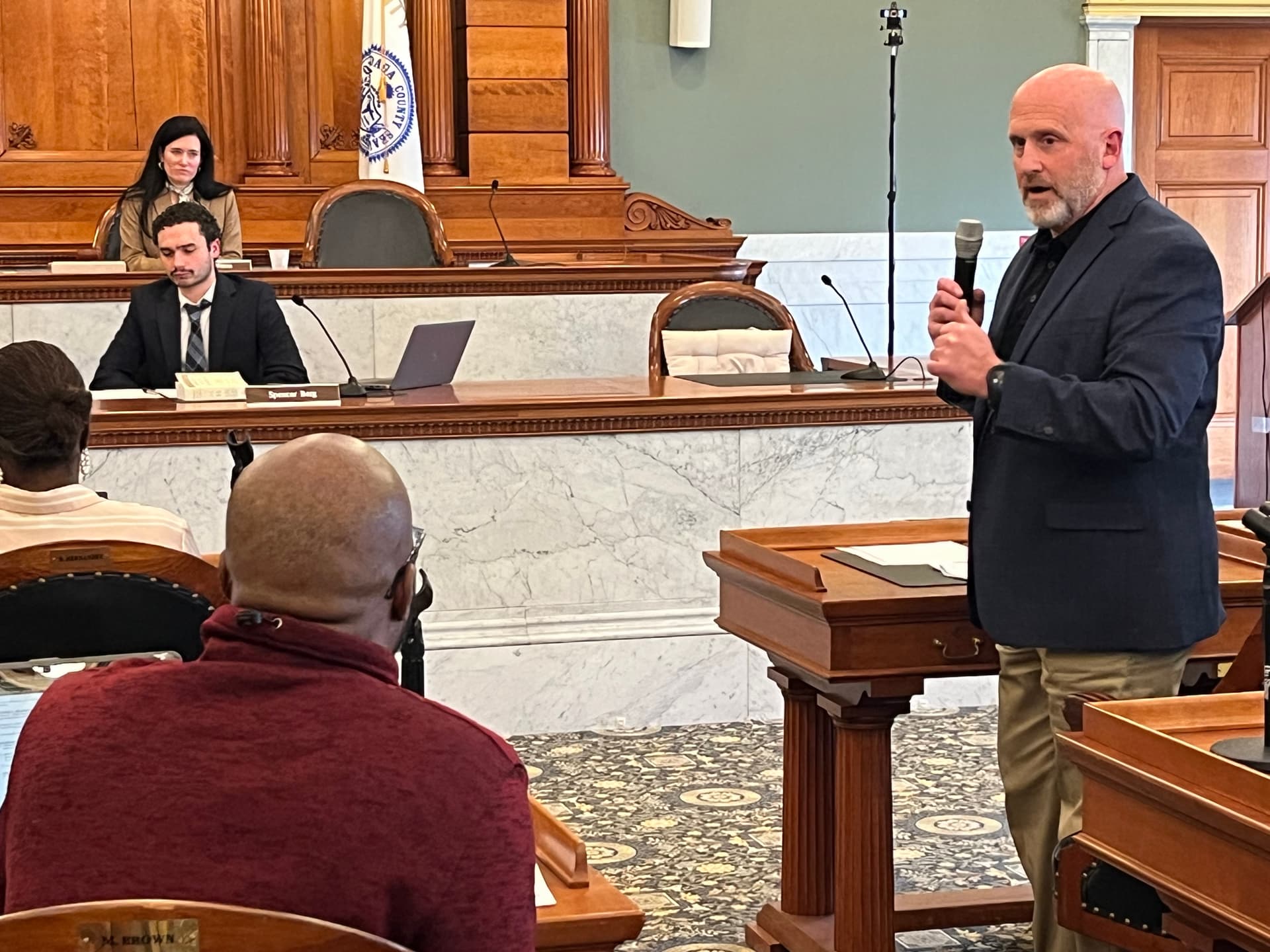
A county hearing in a North Syracuse school library put a blunt question at the center of Onondaga County’s growth debate: who gains jobs and development money, and who is left with the traffic, school pressure and neighborhood disruption.
The Onondaga County Legislature’s Planning & Economic Development Committee met at the Library of North Syracuse Junior High School, 5353 W Taft Road, from 4:30 p.m. to 5:00 p.m. for a public hearing on “Shaping the Future of Economic Development on Schools and Communities.” Written public comments were accepted until 11:59 p.m. that night, giving residents one more way to weigh in on how county leaders handle growth.

The setting mattered as much as the agenda. By moving the hearing out of the courthouse and into a school library, lawmakers brought the discussion closer to the communities that are likely to feel the effects first, from school enrollment and transportation needs to land use and public services. The hearing also showed how far economic development has moved beyond private dealmaking and into questions about daily life in places like North Syracuse, Liverpool, Clay and Syracuse.
The hearing was the second held under a new law approved in April 2026 that lets legislature committees hold up to two public hearings a year. Democratic lawmakers advanced the change to engage residents earlier in the legislative process, before decisions are finalized. Democratic Chairwoman Nicole Watts said the goal was to let residents know when important topics were being discussed and to hear public input at the committee stage. Republican Floor Leader Brian May said he was uncomfortable with aspects of the proposal and raised concerns about the venue and process.
The debate lands in the middle of the county’s biggest development test: Micron. In June 2025, New York State said Micron’s Central New York project could total up to $100 billion over more than 20 years and create nearly 50,000 jobs, including about 9,000 direct Micron jobs and thousands of prevailing-wage construction jobs. State officials also said the project would include a $500 million community investment fund.
That scale has made schools, housing, transportation and sewer capacity central to Onondaga County’s economic policy. The Micron Draft Environmental Impact Statement ran to about 20,000 pages and was described as one of the most exhaustive project reviews ever considered in New York State. Onondaga County also held public comment sessions on the project in 2025, including hearings at Liverpool High School, as county officials and the Onondaga County Industrial Development Agency weighed the project’s long-term impact.
For county leaders, the question now is not whether growth is coming. It is how much of the benefit will reach local communities, and how much of the cost will land on schools, roads and neighborhoods already absorbing the change.
This article was produced by Prism’s automated news system from verified source data, official records, and press releases, then run through automated quality and moderation checks before publishing. The system is built and supervised by the people who set the standards it runs under. Read our full AI policy.
Did this article answer your question?