Onondaga County to spend $500,000 on AI data center study
County taxpayers are funding a study to answer whether AI data centers will drain water, power and land in towns already weighing a Clay moratorium.
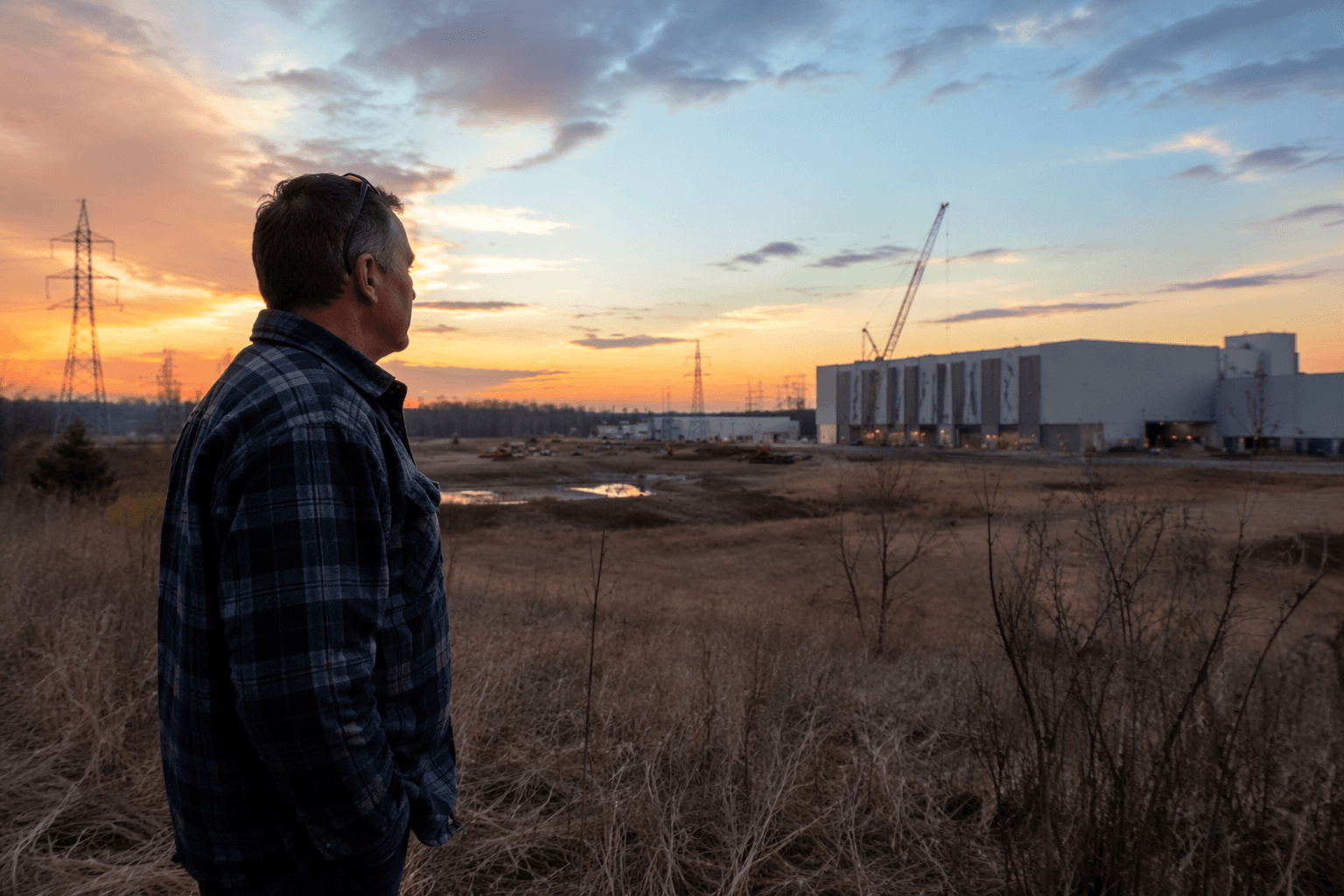
Onondaga County is putting $500,000 into a study of AI data centers, a move that could shape how towns handle some of the most contentious development proposals now coming their way. For residents in Clay, Lysander and other fast-growing parts of the county, the practical questions are immediate: how much electricity these facilities will use, how much water they will draw, what they will do to sewer and drainage systems, and whether local taxpayers or utility customers will be left paying for the fallout.
County Executive Ryan McMahon announced the study on Monday, June 15, saying the goal is to help towns make more informed decisions instead of forcing local boards to improvise when developers arrive with technical proposals. The county is expected to involve staff from the water department, environmental health and economic planning, signaling that the final work is meant to address more than economic-development claims. It will have to confront land use, zoning, tax base impacts and the strain large industrial projects can place on municipal services.

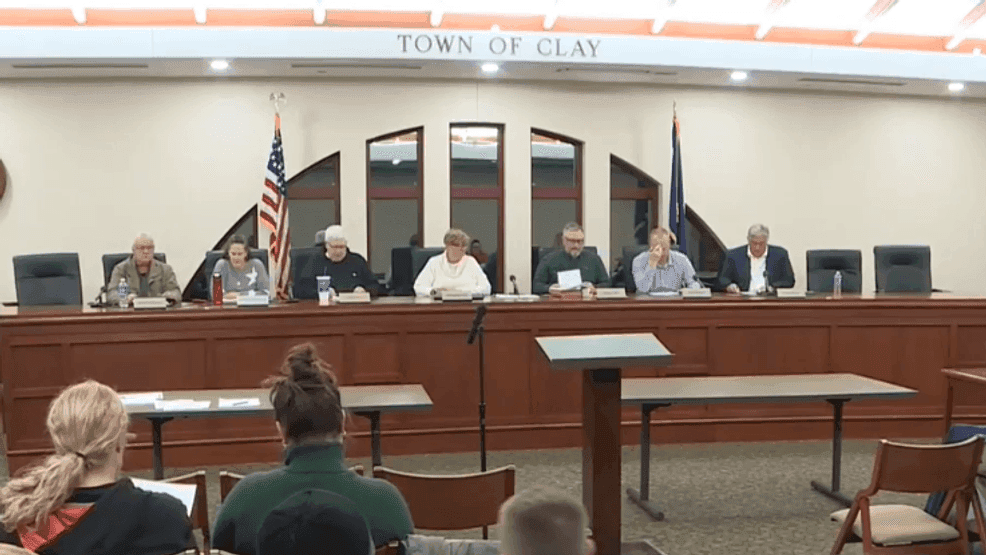
The county’s interest in the issue comes as the Town of Clay has already moved toward possible guardrails of its own. In early June 2026, town officials took key steps toward a possible 12-month moratorium on data centers and scheduled a public hearing later in the month. That makes Clay one of the first local governments in the county to treat AI data centers as a live land-use issue, not a hypothetical one.
The study also lands in the middle of the much larger Micron buildout, where county and state officials are already dealing with water and wastewater infrastructure demands. Onondaga County is planning a new industrial wastewater plant and a new 9-mile water line tied to that development. Micron will pay the bulk of the cost for that pipe, which will run parallel to the existing Onondaga County Water Authority line, but the broader question for many residents is whether still more industrial growth will push utility systems and rates beyond what communities can absorb.
County departments with direct responsibility for those systems are likely to play a central role. The Onondaga County Department of Water Environment Protection says it handles wastewater collection and treatment and works to protect waterways. The county’s Environmental Health division says it protects air and drinking water and advises on wastewater treatment, land use and environmental health issues. Those responsibilities are central to any meaningful review of a data center proposal, especially in a county where large-scale development is already testing infrastructure and planning capacity.
McMahon has framed 2026 as a period of historic economic growth and opportunity, and the county’s Planning Department says Plan Onondaga, the county’s new comprehensive plan, has recently been adopted by the legislature. That gives the data-center study potential influence well beyond one permit review. It could become a reference point for how towns write zoning rules, how county officials evaluate future projects and how much risk local governments are willing to accept in exchange for promised investment.
The county is not alone in confronting the issue. The Rockefeller Institute of Government reported that as of June 2026, 14 states had considered or were considering moratoriums on data centers, a sign that Onondaga County’s debate is part of a wider national conflict over power, water and land use. In Central New York, the question is whether the study will help local governments set firm rules before the next proposal arrives.
This article was produced by Prism’s automated news system from verified source data, official records, and press releases, then run through automated quality and moderation checks before publishing. The system is built and supervised by the people who set the standards it runs under. Read our full AI policy.
Did this article answer your question?