Syracuse enters budget year without deficit after state aid boost
Syracuse will start its July 1 budget year balanced for the first time in recent memory, after $30 million in new state aid erased a planned $20 million reserve draw.

Syracuse will begin its new fiscal year without a deficit, a rare shift for City Hall after years of leaning on reserves to close the books. The change came after a record infusion of state aid erased the need to pull $20 million from savings, giving the city a stronger starting point as it enters the 2026-27 budget year.
The Common Council made the change official during a special meeting Thursday, turning what had been a budget built around reserve use into one that starts July 1, 2026, on balance. That matters because reserve funds are supposed to cushion emergencies, not serve as a standing patch for regular spending. Keeping that money intact gives Syracuse more flexibility if revenues weaken, costs rise, or another unexpected hit lands during the year.
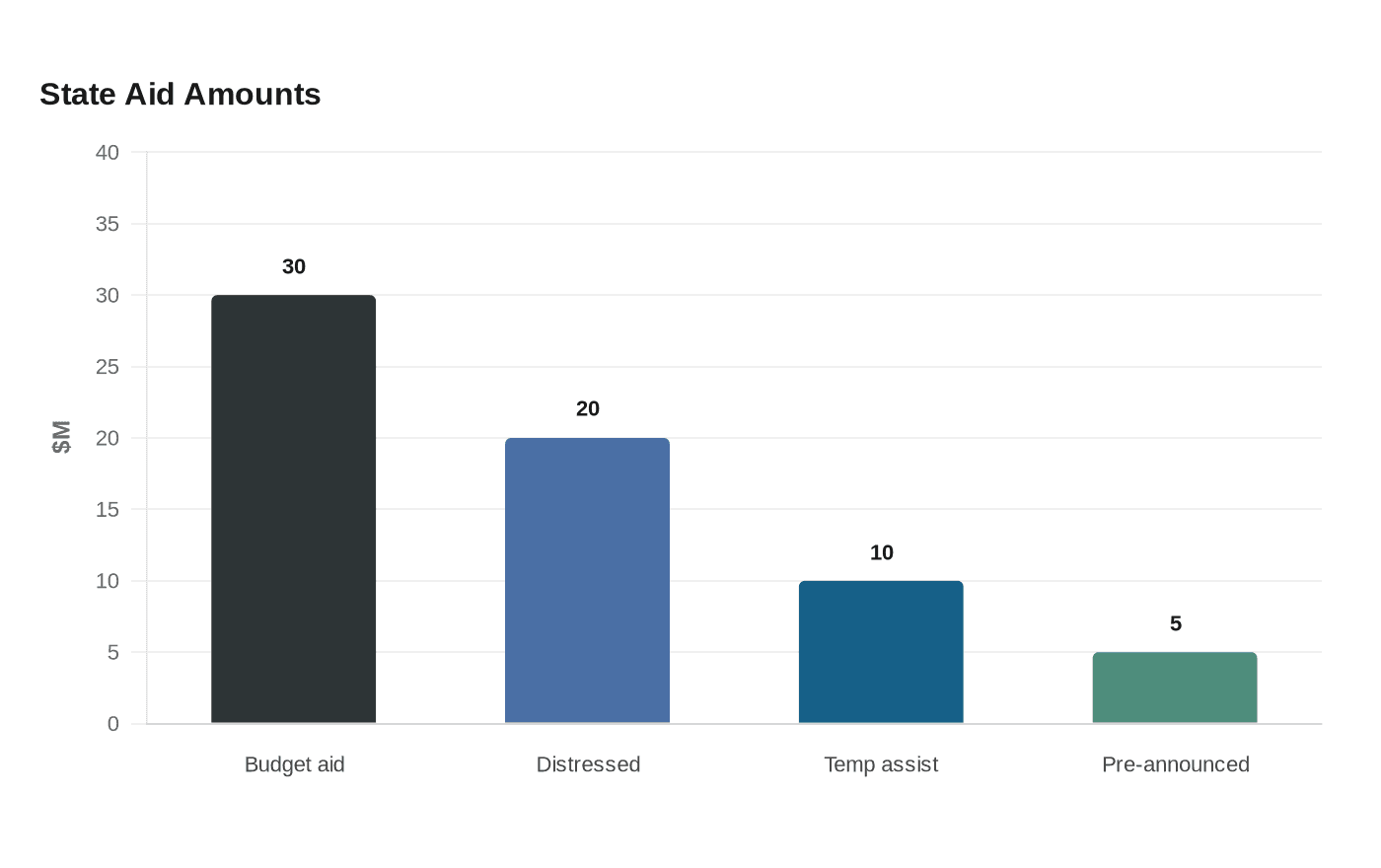
The turnaround followed a larger state package that added $30 million in aid through the 2026-27 New York state budget, plus another $5 million in previously announced money. That aid included $20 million in distressed-city funding and $10 million in Temporary Municipal Assistance. Mayor Sharon Owens said the extra money gave Syracuse the opportunity to balance its budget and further bolster fiscal sustainability. Corey Williams, who chairs the council’s finance committee, said one of the council’s goals had been to reduce the amount the mayor’s budget took from reserves.
That goal had already shaped the roughly $350 million spending plan the council approved on May 8. The earlier version kept property taxes flat and raised water rates by 4 percent, but it still depended on about $20 million in reserves before the state aid changed the outlook. The city fiscal year runs from July 1, 2026, to June 30, 2027, and the budget now opens with City Hall claiming a balanced start rather than a shortfall.
The question now is whether this is a durable improvement or a one-year reprieve driven by Albany money. City Auditor Alexander Marion warned that cuts to retirement and health care accounts could leave the city short because those costs keep rising. That concern points to the real test ahead: whether Syracuse can hold the line on staffing, parks, housing, recycling, police, firefighters, and transportation without slipping back into reserve-driven budgeting. For residents, the balance sheet will shape more than accounting. It will influence tax pressure, service levels, and whether the city finally has room to confront long-running liabilities instead of just covering them.
This article was produced by Prism’s automated news system from verified source data, official records, and press releases, then run through automated quality and moderation checks before publishing. The system is built and supervised by the people who set the standards it runs under. Read our full AI policy.
Did this article answer your question?