Backer, Westrom Host Listening Summit for About 130 Farmers at Jennen Farms
About 130 farmers and ag stakeholders met at Jennen Farms for a two-hour listening summit to press officials on permitting, water and payments ahead of the 2026 legislative session.
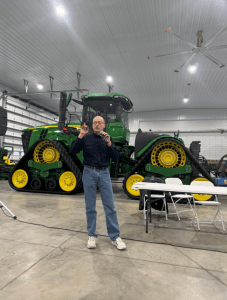
Roughly 130 farmers and agricultural business leaders gathered inside the farm shop at Jennen Farms near Fergus Falls for a two-hour Agriculture Summit co-hosted by Rep. Jeff Backer (R-Browns Valley) and Sen. Torrey Westrom (R-Alexandria). The meeting brought state commissioners, regional legislators and commodity groups together to lay out priorities and concerns ahead of the 2026 legislative session.
Temperatures dropped into the teens below zero the day of the summit, pushing the crowd indoors. Attendees included representatives from Minnesota Corn Growers, Minnesota Soybean Growers, Minnesota Cattlemen’s Association, Minnesota Milk Producers Association, Red River Sugar Beet Growers Association, Minnesota Farm Bureau, Minnesota Farmers Union and local watershed organizations. Named state officials who spoke were Thom Petersen, commissioner of agriculture; Katrina Kessler, commissioner of the Minnesota Pollution Control Agency; and Sarah Strommen, commissioner of the Department of Natural Resources. Legislators on hand included Senators Steve Green (R-Fosston), Jordan Rasmusson (R-Fergus Falls) and Paul Utke (R-Park Rapids), and Representatives Tom Murphy (R-Underwood), Mary Franson (R-Alexandria), Kristin Robbins (R-Maple Grove) and Steve Gander (R-East Grand Forks).
Organizers described the gathering as a listening session to hear producer priorities before lawmakers return to St. Paul. Rep. Jeff Backer thanked the commissioners and underscored the value of direct input from producers and industry leaders, saying, “Thank you to the Commissioner of Agriculture, the Commissioner of the Department of Natural Resources, and the Commissioner of the Minnesota Pollution Control Agency for speaking at the event and engaging in meaningful conversations about the future of agriculture in our state.” Backer added, “Hearing directly from producers, industry leaders, and community members about the challenges and opportunities facing agriculture is critical. These conversations help ensure we are crafting policies that support farm families, protect our natural resources, and strengthen Minnesota’s agricultural economy for generations to come.” Backer also characterized the event as nonpartisan and said he had invited all House and Senate members to attend; all those speaking during a portion of the event were Republicans.
Sen. Torrey Westrom framed the summit as a bridge between farmers and policy makers, saying, “This was a great way to stay connected to the farmers and agricultural business interests in our area and across the state, which is vital to our rural way of life and Minnesota’s economy.” He added, “Agriculture accounts for over 15% of our state’s economy, so it is a big deal,” and praised the attendance and questions as contributing to “meaningful dialogue and better policy outcomes.”
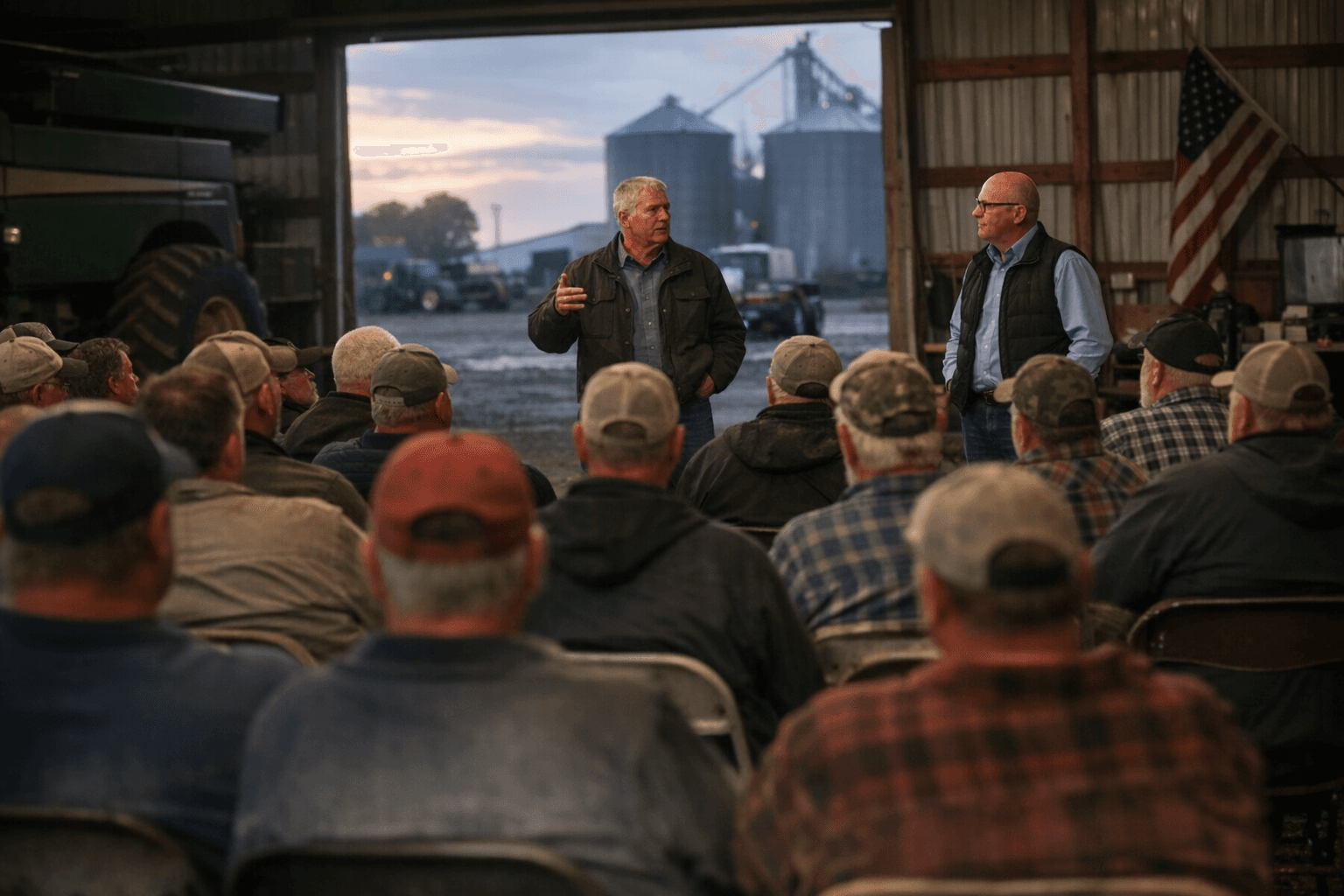
Discussion centered on delays in permitting for farming and livestock operations, concerns about changing regulations, drainage and updates to the Public Waters Inventory, and opportunities to expand in-state processing and value-added uses for Minnesota crops. Commissioner Thom Petersen told RRFN, “We’re hearing a lot of questions about the bridge payments and are there going to be more,” explained Petersen. He also said, “And a lot of farmers are really putting pen to paper right now right and just trying to figure out what we’re going to plant next year and how we are going to be profitable with these prices and inputs.” Rep. Steve Gander signaled he “would continue to work on that” and characterized buffer rules as “an unfunded mandate that take land out of production in order to limit nutrient runoff from ag land into waterways.”
For Otter Tail County producers and businesses, the summit pushed practical policy questions into the open weeks before the legislative session begins. Expect lawmakers and agency officials to carry permitting timelines, bridge-payment considerations and buffer-rule costs into committee conversations; the extent to which those concerns translate into bill language or funding will determine whether farmers see immediate relief or longer-term regulatory change.
This article was produced by Prism’s automated news system from verified source data, official records, and press releases, then run through automated quality and moderation checks before publishing. The system is built and supervised by the people who set the standards it runs under. Read our full AI policy.
Did this article answer your question?


