Catholic Bishop Visits Otter Tail County, Leads Bilingual Mass
The Catholic bishop is visiting Otter Tail County today, December 17, 2025, conducting a bilingual Mass and participating in events hosted by Fergus Falls area parishes. The visit highlights the county's multilingual faith communities, with potential effects on local social services, community cohesion, and parish collaboration with county agencies.
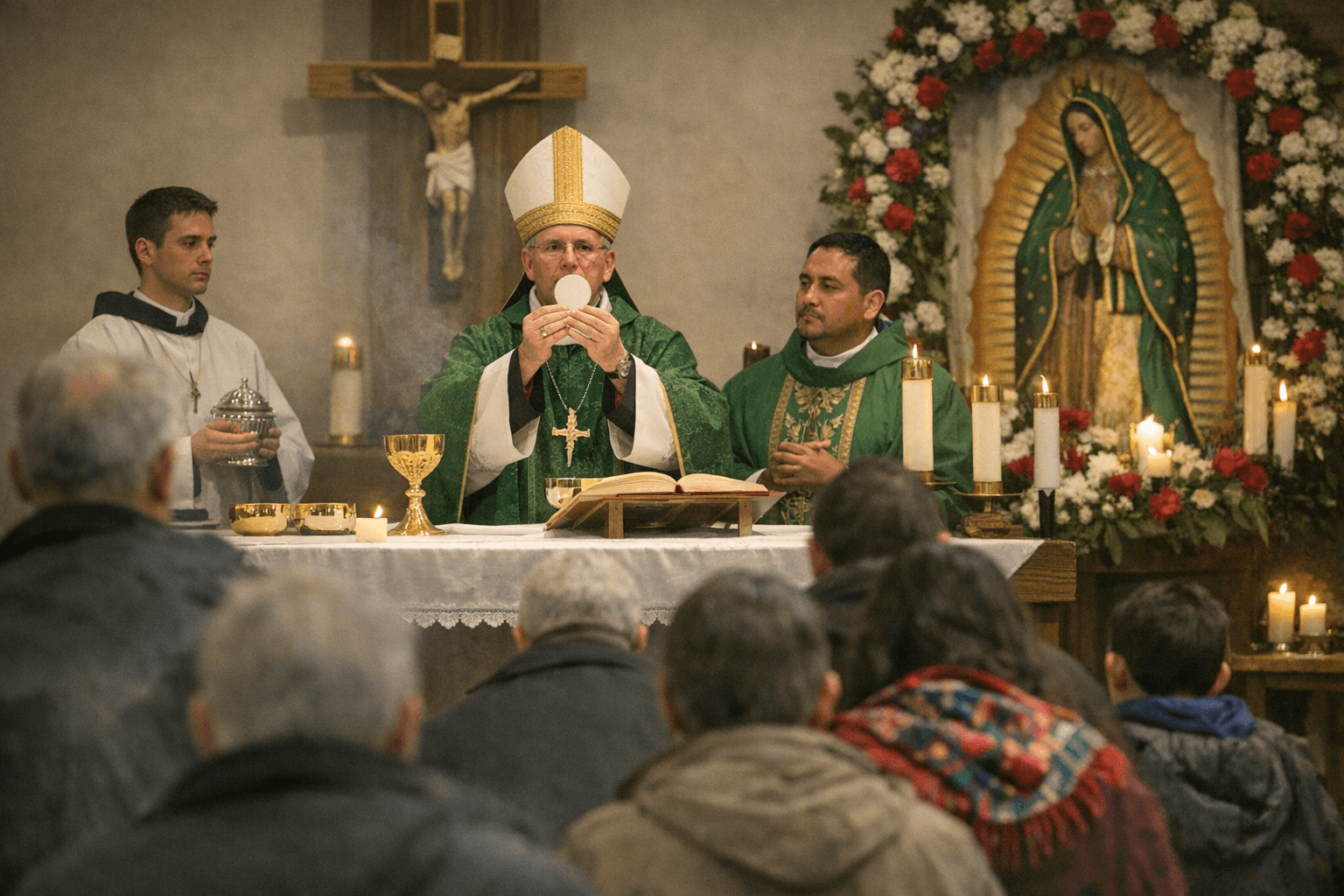
A Catholic bishop is in Otter Tail County on December 17, 2025, celebrating a bilingual Mass and meeting with clergy and congregants at several Fergus Falls area parishes. The visit centers on engagement with multilingual congregations and local clergy, reflecting the religious diversity present in the region. Parishes organized Mass and community events to welcome the bishop and to underscore pastoral outreach across language groups.
Local leaders and parish organizers positioned the events as both spiritual and communal gatherings. For residents who attend the bilingual Mass, the service offers access in multiple languages and signals an institutional recognition of the county's changing demographics. For clergy, the visit provides an opportunity to discuss pastoral needs, resource sharing, and coordination on programs that support immigrant and multilingual families.
The bishop's presence is likely to have immediate community level effects. Parish events routinely draw volunteers and donors, and visiting clergy can catalyze new parish initiatives aimed at language access, family services, and youth programs. Local businesses that cater to event attendees may see a modest increase in foot traffic during scheduled services and receptions. More broadly, the visit can strengthen informal networks that religious institutions use to deliver social services, from food assistance to translation support.
From a policy perspective the visit underscores the role of faith organizations in filling service gaps in rural counties. Otter Tail County officials and parish leaders often coordinate around community needs such as housing support, elder care, and language access for public services. A renewed emphasis on multilingual ministry could prompt more structured cooperation between parishes and county social service agencies, and improve outreach to residents who may face language barriers.
Looking ahead, the bishop's engagement with multilingual congregations signals a longer term trend of increasing cultural and linguistic diversity in rural Minnesota communities. For residents and policymakers, the immediate outcome is greater visibility for multilingual parishioners. The longer term implication is that institutions including churches and county agencies may need to continue adapting services to ensure inclusion and effective delivery across language lines.
This article was produced by Prism’s automated news system from verified source data, official records, and press releases, then run through automated quality and moderation checks before publishing. The system is built and supervised by the people who set the standards it runs under. Read our full AI policy.
Did this article answer your question?