House Passes Wolf Delisting Bill, Fischbach Hails State Control Victory
The U.S. House passed H.R. 845, the Pet and Livestock Protection Act, and the bill now moves to the Senate for consideration. Fergus Falls congresswoman Michelle Fischbach praised the vote as restoring state authority over gray wolf management, a shift that could directly affect livestock safety and wildlife policy in Otter Tail County.
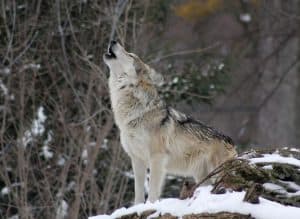
On December 19 the U.S. House approved H.R. 845, known as the Pet and Livestock Protection Act, setting the stage for Senate consideration and potential changes to federal protections for the gray wolf. Fergus Falls congresswoman Michelle Fischbach celebrated the vote as a win for returning wolf management to state authorities, and she said wolf populations have rebounded well above federal recovery goals. Supporters of the bill argue that state control is needed to better protect livestock and pets in rural communities.
If the Senate approves H.R. 845 and the president signs it, federal endangered species protections that currently govern gray wolf conservation would be removed and primary management responsibility would shift to states. That shift carries important policy implications for Minnesota, where state agencies and county officials would determine hunting seasons, population management practices, and livestock protection measures within existing state law. The legislative change would also affect the balance between wildlife conservation priorities and agricultural concerns that are prominent in Otter Tail County.
For local residents the debate touches on everyday issues. Livestock owners and rural households who have reported conflicts with wolves have pushed federal delisting as a path to quicker local responses and more direct compensation or control options. Conservation organizations and other stakeholders have raised concerns about ensuring long term population stability and preserving biodiversity. The House action does not resolve those questions, it moves the responsibility for answering them to state and local institutions.
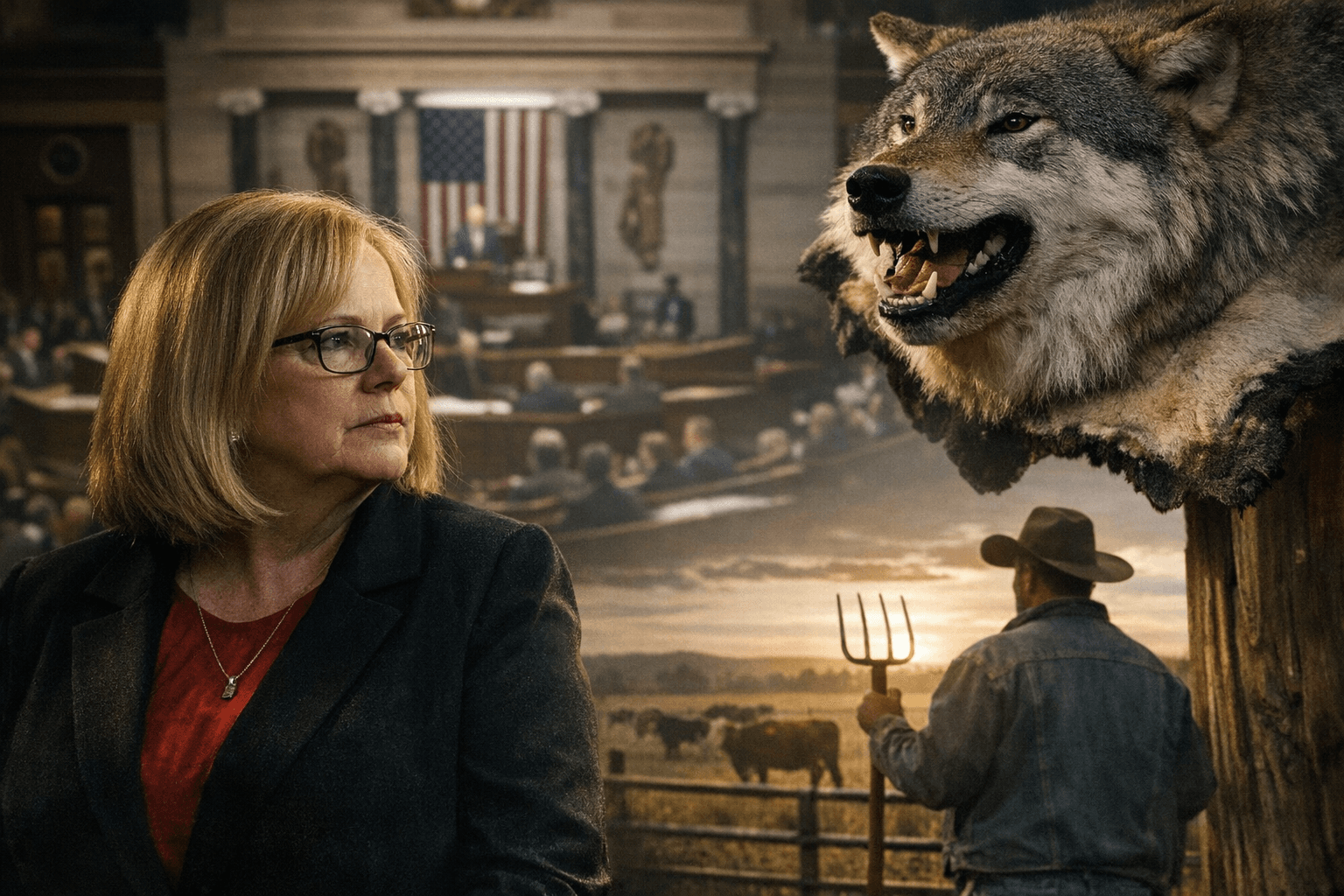
The bill's passage in the House reflects broader national conversations about federal oversight and state prerogatives in wildlife management. The next steps are clear, the Senate must take up the measure and approve it before it can be sent to the president. Otter Tail County officials, farmers, and conservation groups are likely to engage with Minnesota lawmakers as the Senate debate unfolds, seeking to influence how state management will address both livestock protection and wolf conservation.
Know something we missed? Have a correction or additional information?
Submit a Tip