How Perham's Past Shapes Health and Community Today
Local historical society records offer a window into life in Perham about a century ago, describing Main Street commerce, rail and early automobiles, schools, churches, recreation, and how lakes and landscape shaped livelihoods. That history matters now because the same institutions and infrastructure that built community identity also shaped access to services, exposure to environmental risks, and long-term health outcomes for Otter Tail County residents.
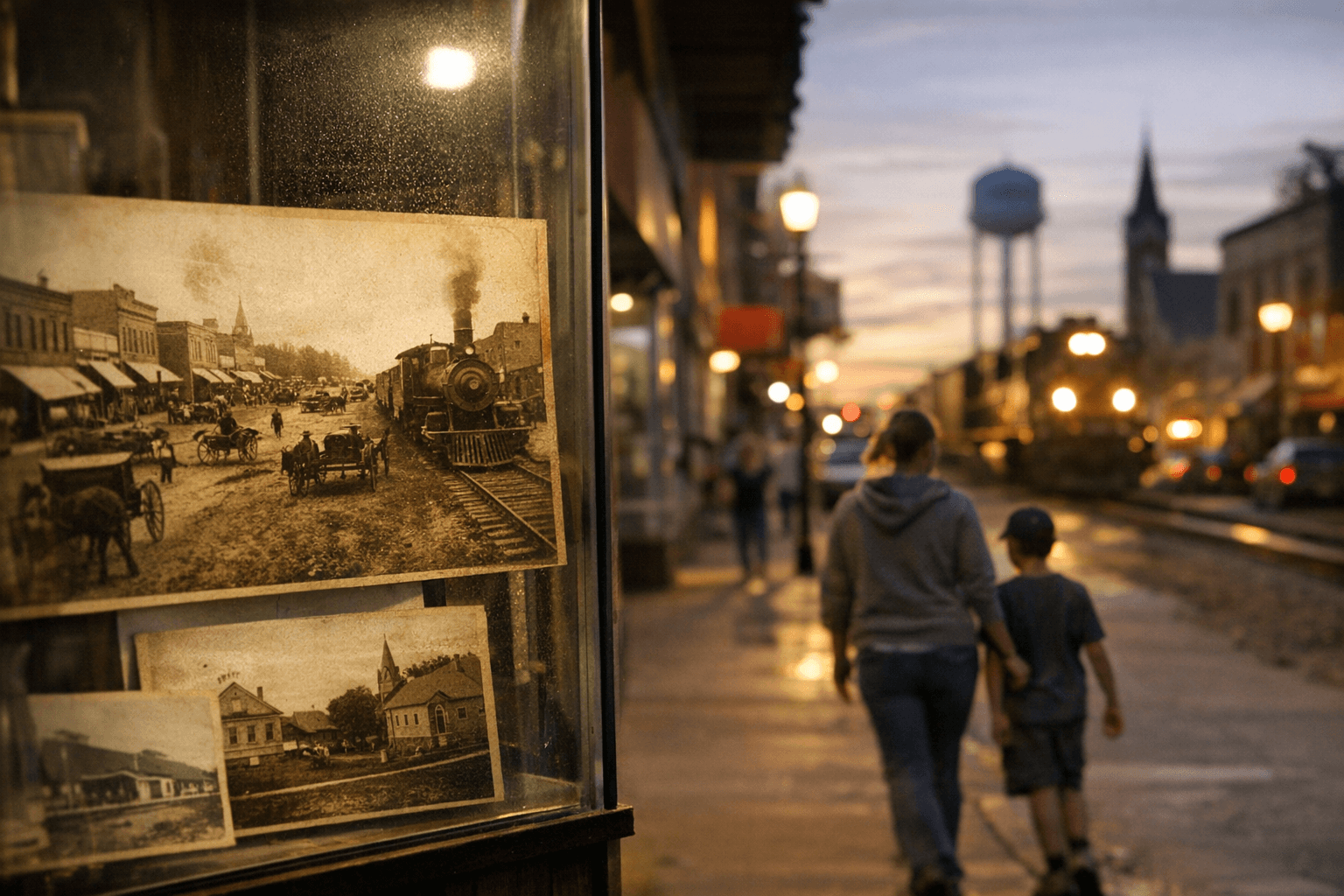
Records and community archives from Perham a century ago sketch a town built around its Main Street businesses, civic institutions and the transportation networks of the day. Rail service and the first automobiles began to reshape movement of people and goods, while schools and churches anchored everyday life and social support. The landscape and nearby lakes played a defining role in local livelihoods, informing work patterns, leisure and the rhythms of seasonal life.
Those historical features are more than nostalgic detail; they are the roots of present-day public health and equity challenges in Otter Tail County. When commerce and transportation were concentrated along a few corridors, access to markets, education and services clustered as well. Civic institutions such as schools and churches provided informal networks of mutual aid, public information and childcare long before formal social services existed. At the same time, livelihoods tied to the lakes and surrounding lands shaped exposures, income stability and vulnerability to environmental change.
Understanding that past helps explain contemporary patterns. Rural transportation infrastructure that evolved from rail lines and early roadways still determines how residents reach clinics, pharmacies and jobs. Community hubs that once delivered social supports remain important but are strained by demographic shifts, provider shortages and constrained public funding. Environmental stewardship of lakes and shorelines is not only a preservation issue but a health one, as water quality and landscape change affect recreation, local economies and chronic disease determinants.
Policy choices now can either reinforce inequities rooted in history or help remedy them. Investing in rural health infrastructure, reliable patient transport and telehealth can address gaps left by decades of decentralized services. Strengthening partnerships between public health agencies, schools and faith-based organizations can rebuild trusted channels for prevention and care. Environmental protections for lakes and shorelines safeguard both heritage and the social determinants of health for communities that rely on them.
Perham’s archives show how closely community, economy and environment have been intertwined. Preserving that history while translating its lessons into targeted health, transportation and environmental policies offers a path toward greater equity for current and future residents of Otter Tail County.
This article was produced by Prism’s automated news system from verified source data, official records, and press releases, then run through automated quality and moderation checks before publishing. The system is built and supervised by the people who set the standards it runs under. Read our full AI policy.
Did this article answer your question?