How to Access Otter Tail County Services and Records
This guide explains where Otter Tail County residents can find and contact key county departments, how to follow meeting schedules and access board documents, and practical steps for reporting non-emergency concerns or requesting public records. Use the step-by-step directions and tips to navigate county administration, solid waste, public health, highway, and sheriff’s services efficiently.
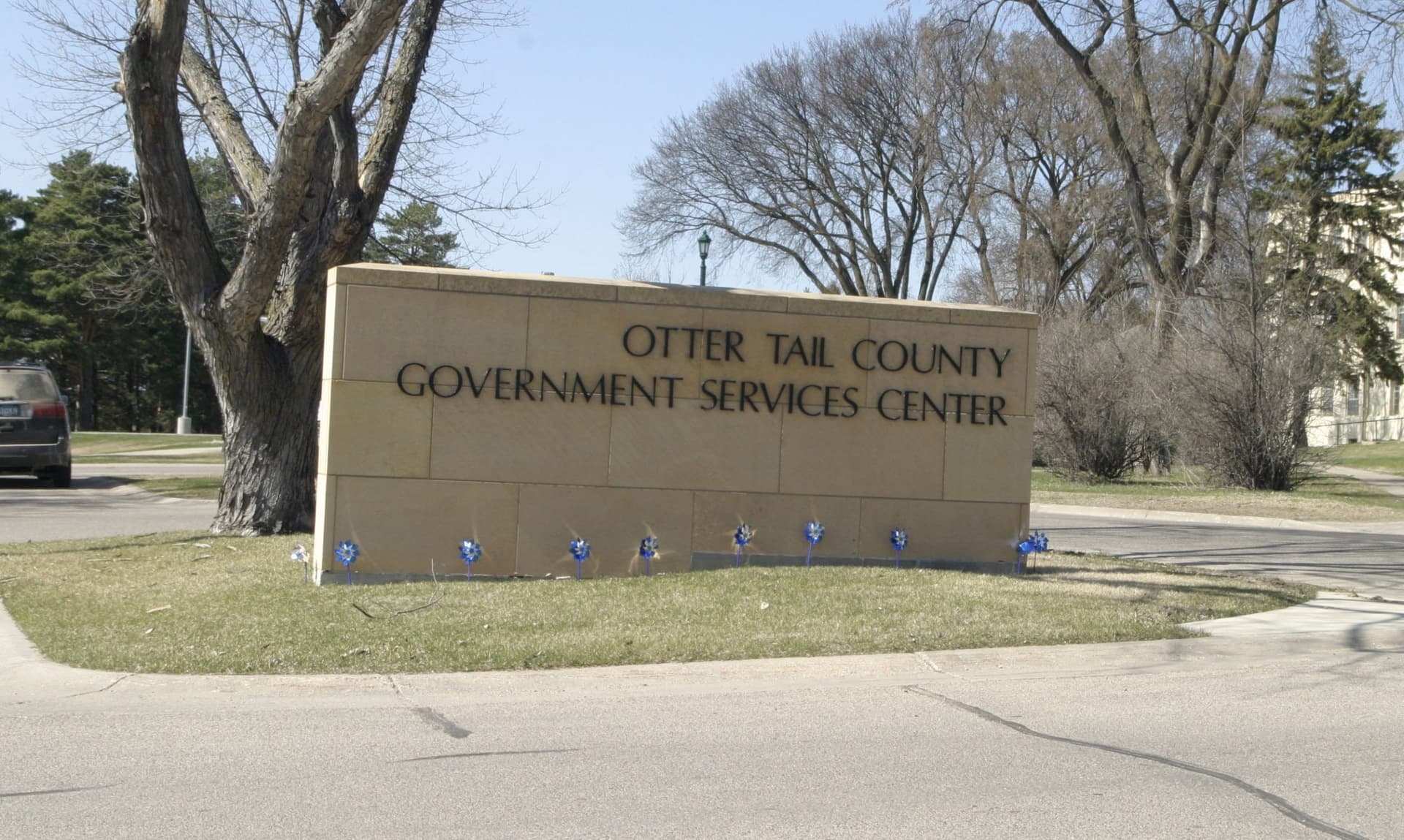
1. County Administration, central contact and services
Contact Otter Tail County Administration for general questions about county operations, permitting, or to be directed to the appropriate office. The Administration office is the hub for requests that span departments, including guidance on where to submit public records requests and how to sign up for county notifications. If you cannot find a specific phone number or form, start with the Administration page on the county website or call the county’s main switchboard to be routed to the right staff.
2. Solid Waste, disposal, recycling, and hazardous waste information
For landfill hours, transfer station locations, recycling guidelines, and fees, consult the Solid Waste page on the county website or call the Solid Waste office. The page typically lists accepted materials, seasonal changes to hours, and special-event household hazardous waste drop-off dates; confirming this information before hauling items can prevent fees or rejected loads. If you are unsure whether an item is accepted, contact the Solid Waste staff and provide the item description and packaging to get a definitive answer.
3. Public Health, clinics, preventative programs, and community resources
Use the Public Health office for immunization clinics, communicable disease guidance, environmental health inquiries, and referrals to community health programs. The county’s Public Health webpage and phone line will list clinic schedules, eligibility for services, and any current public-health advisories that affect residents. When calling, have basic information ready such as names, dates of birth, and the nature of your health or environmental concern to help staff provide faster, tailored assistance.
4. Highway Department, road conditions, snow removal, and reporting hazards
The Highway Department manages county roads, plowing priorities, and road maintenance. For snow removal questions, service standards, or to report potholes, downed signs, or other non-emergency hazards, contact the Highway Department through the county website or its non-emergency phone line. If an issue affects a state highway, the Minnesota Department of Transportation (MnDOT) typically has responsibility; the Highway Department can confirm jurisdiction and point you to the correct agency.
5. Sheriff’s Office, non-emergency calls, warrants, and records inquiries
Use the Sheriff’s Office non-emergency line to report suspicious activity, thefts, noise complaints, or other situations that do not require immediate emergency response. For questions about warrants, booking, or criminal records, contact the Sheriff’s Records or Corrections division; they can explain procedures for addressing warrants, provide status information, or direct you to court contacts. When calling, have full names, dates of birth, and any case or incident numbers available to speed up the inquiry.
6. Finding meeting schedules and board documents online
Board of Commissioners meeting schedules, agenda packets, and minutes are typically posted on the county website under the Boards/Meetings or Agendas & Minutes section. Agendas and supporting documents are often published in advance of meetings; check the relevant board page for a calendar and links to both upcoming and archived materials. If a document you need is not posted, you can request it through the county’s public records process (see item 10).

7. Where to find county agendas and how they matter
Agendas set meeting priorities and list topics that will shape county policy and spending; residents can review them to track issues such as zoning, budget decisions, and service changes. Look for agenda packets that include staff reports, maps, and attachments to understand the background and potential impacts of agenda items. If you want to participate in a meeting, reviewing the agenda ahead of time helps you prepare comments or questions and identify which meeting to attend.
- Visit the county website homepage and look for links labeled Subscribe, Notifications, Alerts, or E‑news.
- Choose the topics you want to follow, examples include meeting notices, road alerts, public health updates, or solid waste announcements, and select your delivery method (email or text if available).
- Confirm your subscription through any confirmation email and update your preferences whenever needed.
8. How to sign up for county notifications and alerts
If you prefer, call County Administration and ask staff to point you to the subscription page or to add you to specific notification lists.
- Identify jurisdiction: determine whether the issue is county, municipal, or state responsibility so you contact the correct agency.
- Gather details: note exact location, time, nature of the problem, and any photos if safe to take them.
- Contact the proper office: use the Highway Department for road issues, Solid Waste for illegal dumping, Public Health for environmental health hazards, or the Sheriff’s non-emergency line for public-safety concerns.
- Follow up: request a reference number or staff contact, and note response timelines; if you do not receive a timely response, follow up with the office or escalate to County Administration.
9. Reporting non-emergency concerns, practical steps to follow
- Identify the records you need with as much detail as possible (dates, department, document types, case numbers).
- Check the county website for a public records request page or form; if there is no online form, submit a written request to County Administration via email or mail.
- Be clear about delivery format (electronic or paper) and state whether you want copies or the opportunity to inspect records.
- Expect the county to respond with acknowledgement and instructions; if costs are involved, the county should provide an estimate. If records are not posted online, a formal request will ensure the office searches and produces responsive materials.
10. Requesting public records, steps and tips for faster responses
Conclusion: Knowing where to look and how to communicate with county offices saves time and increases the likelihood of a prompt response. Keep a record of contacts, confirmation numbers, and dates of correspondence; that documentation helps if you need to follow up, appeal a records decision, or participate in county decisions that affect your community.
This article was produced by Prism’s automated news system from verified source data, official records, and press releases, then run through automated quality and moderation checks before publishing. The system is built and supervised by the people who set the standards it runs under. Read our full AI policy.
Did this article answer your question?


