Mother Still Seeks Answers Decades After Son Died in State Care
Dawn Van Ballegooyen drove nine hours to visit her son Brady at a South Dakota juvenile facility in December 2013 — and was told to sit down before she could see him.
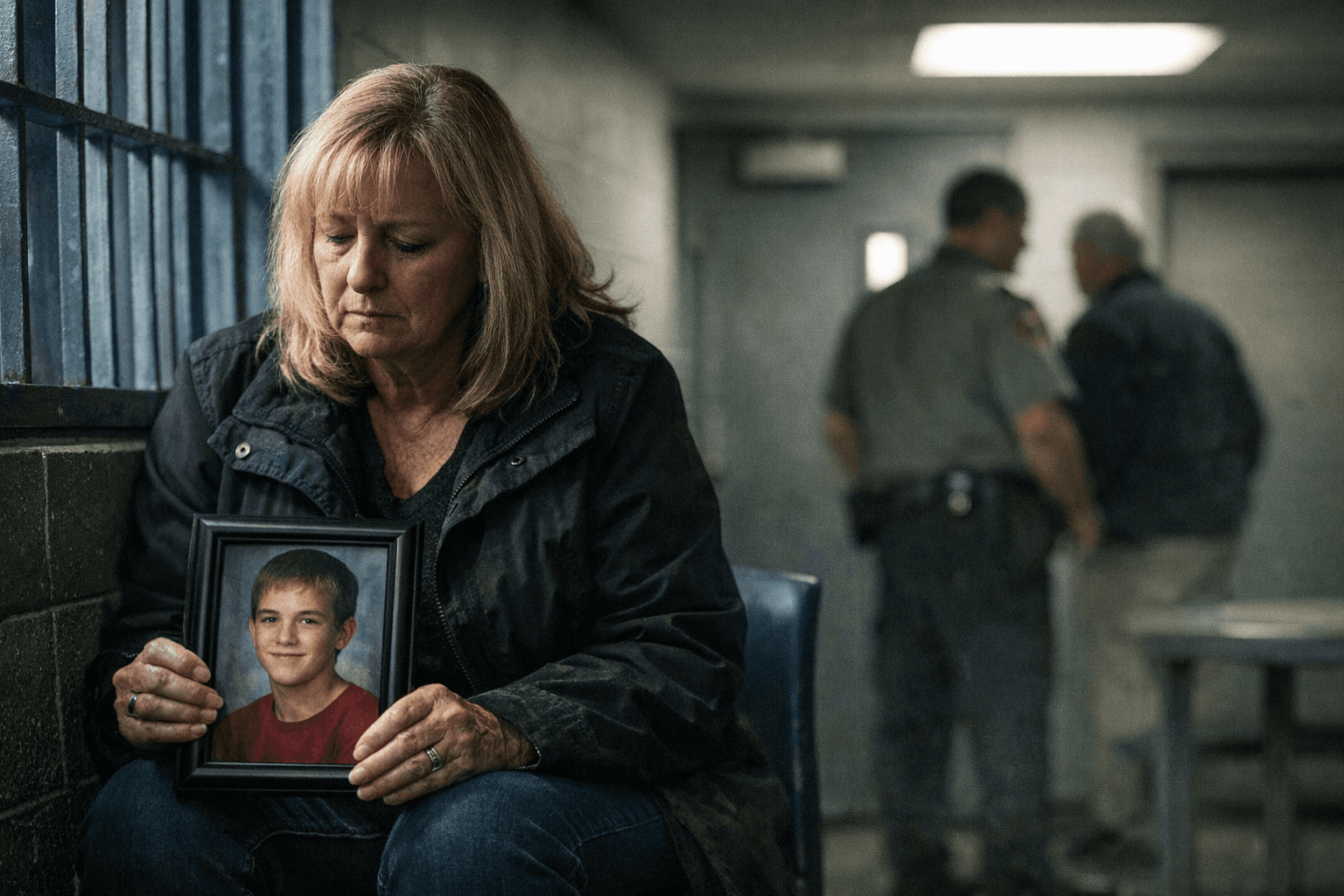
Dawn Van Ballegooyen was ecstatic as she made the nine-hour drive to STAR Academy, South Dakota's juvenile correctional facility in Brookings, just days before Christmas in 2013. After nearly two months apart, she was finally going to see her son, 17-year-old Brady Alan Folkens. She passed through the checkpoints, showed her ID, and walked into the reception area. The staff told her to sit down. Brady was gone. He had been rushed to Custer Regional Hospital.
"I had no clue he was even sick when I drove out to Custer and gave them my ID, and told them I was there to see Brady, and they had this terrible look on their faces," Van Ballegooyen said. "I stood up and thought 'Oh my god, what is wrong with Brady?'"
More than a decade later, Van Ballegooyen is still searching for answers about how a healthy teenage boy with no serious medical problems died in state custody.
By her account, Brady had run into minor trouble in the months before his death. He was caught with marijuana and skipping school. As a single mother who had raised him alone for 14 years, she turned to police thinking they might set her son straight with a conversation. What followed was Brady's placement as a ward of the state. He had passed through STAR Academy once before, in 2012, and his only known medical issue was acne.
On his second stay at the facility, Brady wrote in his journal on Nov. 26, 2013: "I'm really concerned about my acne." The facility's medical staff prescribed him minocycline, a potent antibiotic in the tetracycline family that is more prone to adverse reactions. Starting around Dec. 11, he took the drug three times a day for 10 days. Staff also gave him Tylenol, a drug that should not be combined with minocycline. Brady received a dose of minocycline the morning of Dec. 21, the same day his mother made the drive to see him.
The prescribing was flagged as deeply problematic by Aanning, a doctor who later filed formal complaints to state agencies. "Had Brady Folkens never been prescribed another tetracycline while at the STAR Academy detention facility he would likely be alive today," Aanning wrote. The doctor noted that Brady appeared to have previously had a reaction to doxycycline, a related drug in the same class, making the switch to minocycline even more dangerous. "If he was allergic to doxycycline, well, minocycline is even worse," Aanning said. "Three times a day for a young teenager is a definite overdose."
By Dec. 16, less than a week into the new medication, Brady's journal entries show his mood darkening and his handwriting growing increasingly sloppy. He became nauseated and began vomiting. The weekly 10-minute phone calls Van Ballegooyen was allowed with her son revealed nothing of what he was going through.
Van Ballegooyen was never told the facility had changed Brady's medication. Because guardianship had been turned over to the state, staff were not legally required to inform her. Aanning said it would have saved a lot of problems if they had. "Nobody called me, nobody asked me about giving him any kind of drugs, the first time as well," Van Ballegooyen said.
Brady's final journal entry was dated Dec. 19, 2013. Two days later, he was dead.
The South Dakota Attorney General's office, through spokesperson Tony Mangan, said it had no record of any lawsuit related to Brady's death and declined to comment further. The questions Van Ballegooyen has carried since that December morning in Custer remain, more than a decade on, without an official answer.
This article was produced by Prism’s automated news system from verified source data, official records, and press releases, then run through automated quality and moderation checks before publishing. The system is built and supervised by the people who set the standards it runs under. Read our full AI policy.
Did this article answer your question?


