Otter Tail buyer loses $100 in online vehicle sale scam
A county resident lost $100 in an online vehicle sale scam; officials warn residents to verify sellers and avoid upfront payments.
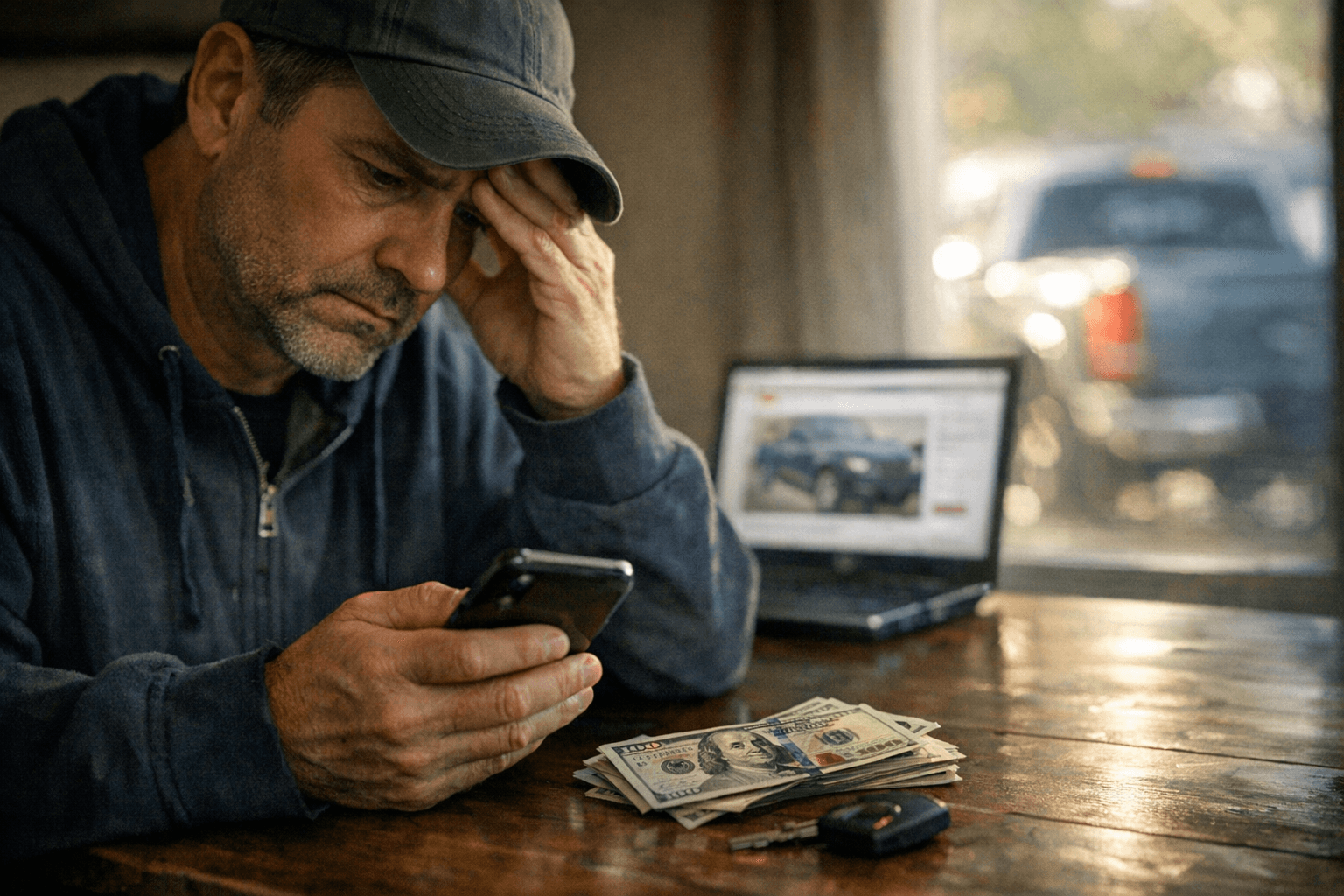
An Otter Tail County resident reported being scammed while attempting to finalize an online vehicle purchase on Jan. 8, sending $100 as part of what they believed was a legitimate sale before the seller disappeared and communication stopped. The case highlights persistent risks for residents using online marketplaces and prompted local law enforcement to reiterate common consumer-protection guidance.
The sheriff's office and county officials have urged residents to be wary of payment requests before viewing a vehicle or confirming ownership. They advised verifying sellers' identities, confirming that a seller’s name matches the vehicle title, and using traceable, secure payment methods rather than wiring funds or sending cash. Officials also encouraged buyers to meet in person in public, well-lit places and to inspect vehicle identification numbers and titles before transferring any money.
While $100 may seem small, the incident underscores broader vulnerabilities in rural marketplaces. Scams that rely on urgency and partial payments exploit community trust and can leave victims reluctant to report losses because of embarrassment or uncertainty about recourse. Law enforcement in smaller counties often juggles limited resources and priorities, making prevention and public education crucial complements to investigative work.
There are practical steps county leaders and community groups can take to reduce these incidents. Libraries, senior centers, and town halls can host digital literacy and buyer-safety workshops that teach residents how to vet online listings, use vehicle history services, and recognize red flags such as requests for unusual payment channels or reluctance to meet locally. County commissioners and the sheriff’s office can coordinate with the state attorney general’s consumer-protection unit and local banks to promote safe transaction locations, including supervised parking spots at public buildings or bank branches where transfers can be completed securely.
For victims, local law enforcement advised filing a report so patterns can be tracked and investigated. Consumers can also seek remedies through state and federal channels designed to address fraud and identity theft. Reporting helps the county gauge the scale of the problem and justify resources for prevention efforts.
The takeaway? Treat online vehicle deals like a legal transaction, not a casual conversation. Verify names and titles, inspect the VIN and the car in person, use traceable payment methods, and if something feels off, walk away. Our two cents? Safety costs less than regret, meet at a bank or the sheriff’s office parking lot and keep that $100 where it belongs.
This article was produced by Prism’s automated news system from verified source data, official records, and press releases, then run through automated quality and moderation checks before publishing. The system is built and supervised by the people who set the standards it runs under. Read our full AI policy.
Did this article answer your question?