Otter Tail County Backs Plan to Recycle Ash, Reduce Landfill Reliance
Otter Tail County commissioners unanimously backed a plan to recycle the roughly 10,000 tons of ash a year now buried at a Northeast Otter Tail landfill near New York Mills.
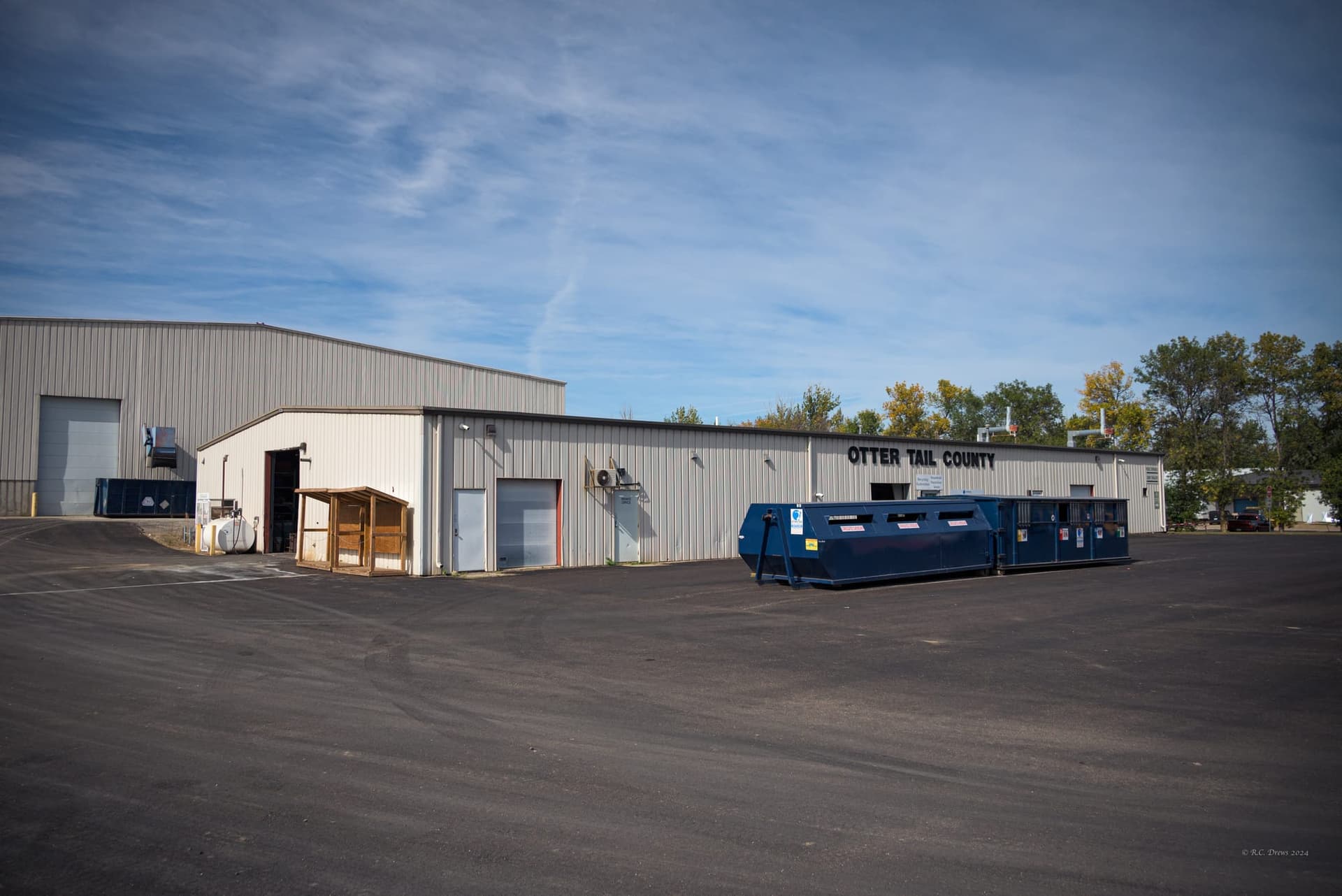
Every year, the Perham Resource Recovery Facility burns through roughly 60,000 tons of municipal solid waste from five counties and leaves behind about 10,000 tons of ash. That ash, a mix of metals, slag, and glass residuals, has been hauled to the Northeast Otter Tail Landfill near New York Mills, where it occupies irreplaceable cell space in a region that sits atop some of the most closely watched groundwater in western Minnesota. Otter Tail County commissioners voted unanimously last week to change that, backing a formal proposal for an Ash Recovery and Recycling Center and directing county staff to pursue state grant funding through the Environment and Natural Resources Trust Fund's LCCMR process.
The push involves Otter Tail County Solid Waste and the Prairie Lakes Municipal Solid Waste Authority, the joint powers body that owns and operates the Perham facility on behalf of Becker, Clay, Otter Tail, Todd, and Wadena counties. The county is simultaneously applying for two grants: one to fund planning for a regional construction-waste landfill, and a second specifically to design and pilot the ash-recycling operation.
What would the center actually do? The proposal calls for processing ash to pull out ferrous and non-ferrous metals and oversized materials like slag and glass before the remaining material enters any reuse stream. MPCA testing standards and the agency's Case-Specific Beneficial Use Determination process would govern whether processed ash qualifies as a partial aggregate replacement for roadway base, which is the primary market pathway identified in the plan. PLMSWA already secured an MPCA beneficial use determination authorizing use of up to 30,000 tons per year of ash from the Perham facility as roadway aggregate, a capacity ceiling that exceeds the current 10,000-ton annual output and signals room to grow the program as the facility scales. Initial use of ash-amended aggregate is targeted for road, highway, and property improvement projects owned and funded by the member counties, meaning ratepayers in those counties could eventually see disposal costs offset by avoided landfill tipping fees and modest aggregate revenue.
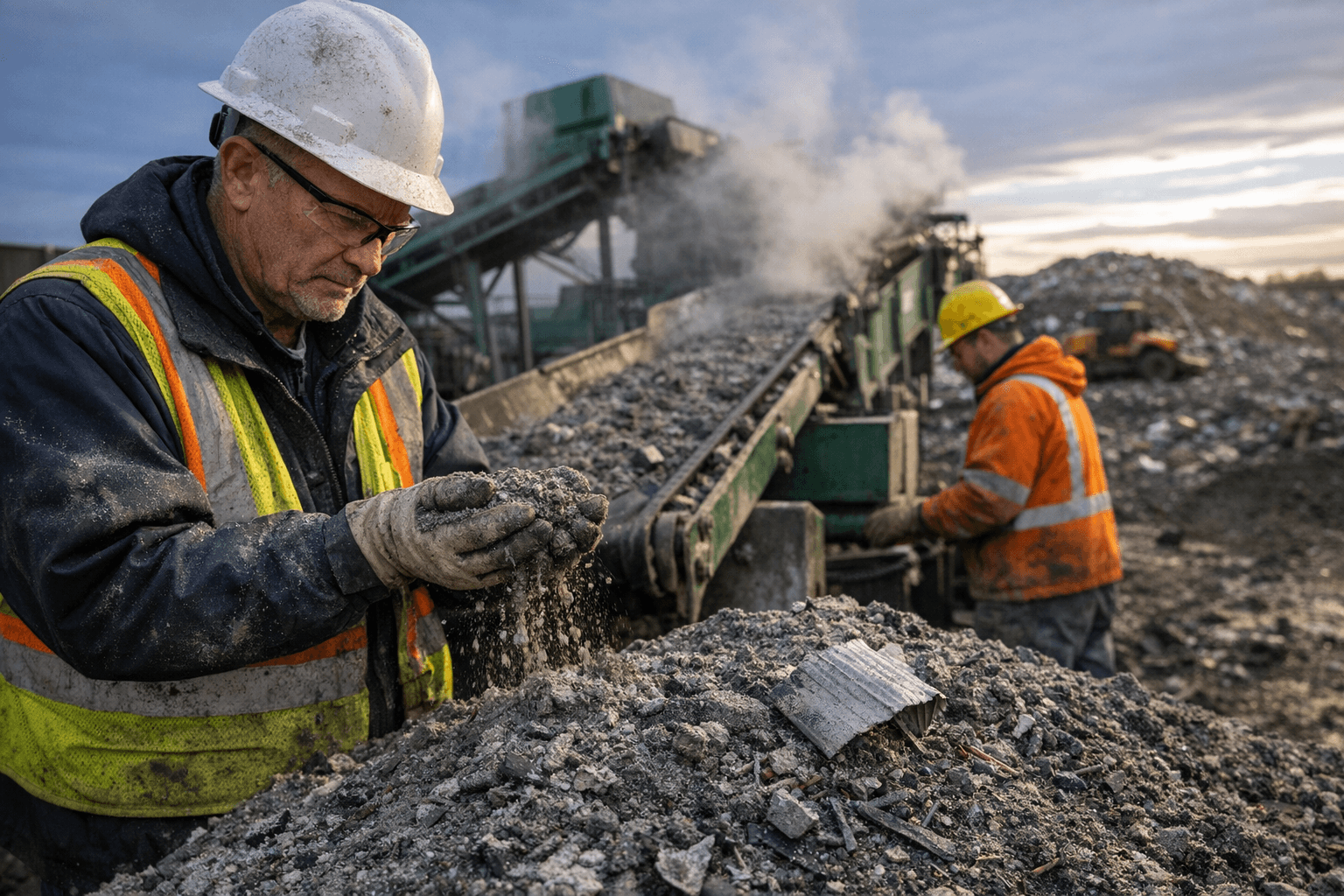
The environmental case is direct. The NEOT landfill sits in a county defined by its lakes and groundwater sensitivity; every ton of ash diverted from a lined cell is one fewer source of potential leachate risk. The economic logic follows the same math: landfill airspace is finite, and extending the operational life of NEOT by diverting ash reduces long-term capital costs that ultimately flow back to county solid-waste rates.
PLMSWA has already been coordinating with the Minnesota Department of Transportation and other Minnesota counties that have completed ash-recycling projects, giving the Otter Tail effort a working template rather than a blank slate. If the LCCMR grant is awarded, the next phase would include engineering studies, environmental review, and permitting, with pilot operations designed to validate how much of that 10,000-ton annual stream can be kept out of the ground and put back to work under county roads.
This article was produced by Prism’s automated news system from verified source data, official records, and press releases, then run through automated quality and moderation checks before publishing. The system is built and supervised by the people who set the standards it runs under. Read our full AI policy.
Did this article answer your question?


