Poverty Simulation in Fergus Falls Highlights Barriers to Local Employment
Otter Tail County and MAHUBE OTWA held a poverty simulation at Minnesota State Community and Technical College in Fergus Falls on December 11, 2025, for employers, service providers, and community members. The exercise aimed to increase empathy, reveal practical barriers to steady work and service access, and prompt local organizations to rethink supports and hiring practices that affect residents living in poverty.
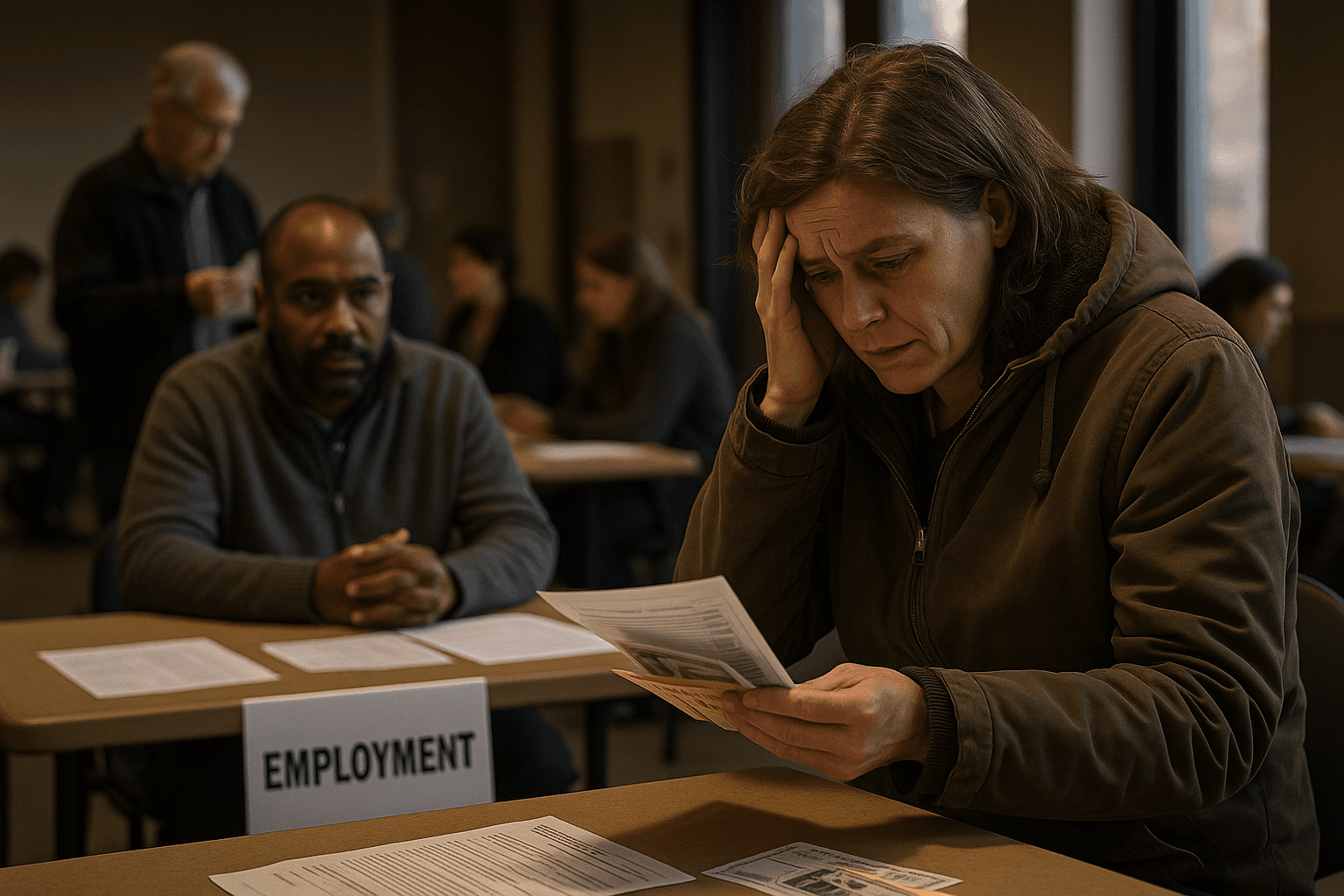
On December 11, 2025, Otter Tail County partnered with MAHUBE OTWA to stage a two and a half hour poverty simulation at Minnesota State Community and Technical College in Fergus Falls. The event ran from 1:00 PM to 3:30 PM and welcomed employers, social service providers, and community members. Free tickets were made available to local stakeholders and employers to encourage broad participation.
The simulation placed participants in scenarios that mirror common obstacles faced by residents living in poverty, with the stated goals of increasing empathy, identifying barriers to employment and service access, and helping organizations design more effective supports and hiring practices. By simulating real world constraints around childcare, transportation, scheduling, and benefits navigation, the exercise produced firsthand insight into how administrative rules and day to day instability affect job retention and upward mobility.
For Otter Tail County the direct value is practical. Employers who took part experienced decision points typically invisible in hiring conversations, which can affect recruitment, turnover, and productivity. Service providers observed where intake processes and eligibility thresholds create gaps in access. Community members gained understanding of the structural frictions that keep households from moving to stable employment and financial security.
From a market perspective, these insights matter because small and mid sized employers across rural Minnesota face pressure to attract and retain workers. Changes in hiring practices and workplace supports informed by the simulation could reduce churn and expand the available local labor pool. From a policy angle, county social services and nonprofit partners can use the findings to refine outreach, streamline processes, and coordinate supports that address time sensitive problems such as transportation and childcare.
The simulation does not offer a single solution, but it provides an evidence based starting point for collaborative action. With participants now better equipped to see how everyday policies and business practices interact with poverty, Otter Tail County has an opportunity to translate empathy into targeted program adjustments and employer strategies that strengthen economic stability for residents and the local labor market.
This article was produced by Prism’s automated news system from verified source data, official records, and press releases, then run through automated quality and moderation checks before publishing. The system is built and supervised by the people who set the standards it runs under. Read our full AI policy.
Did this article answer your question?