Rare tick-borne Powassan virus raises concern in Otter Tail County
Ticks are moving through Otter Tail County’s lake country now, and health officials warn Powassan virus has no vaccine or cure.
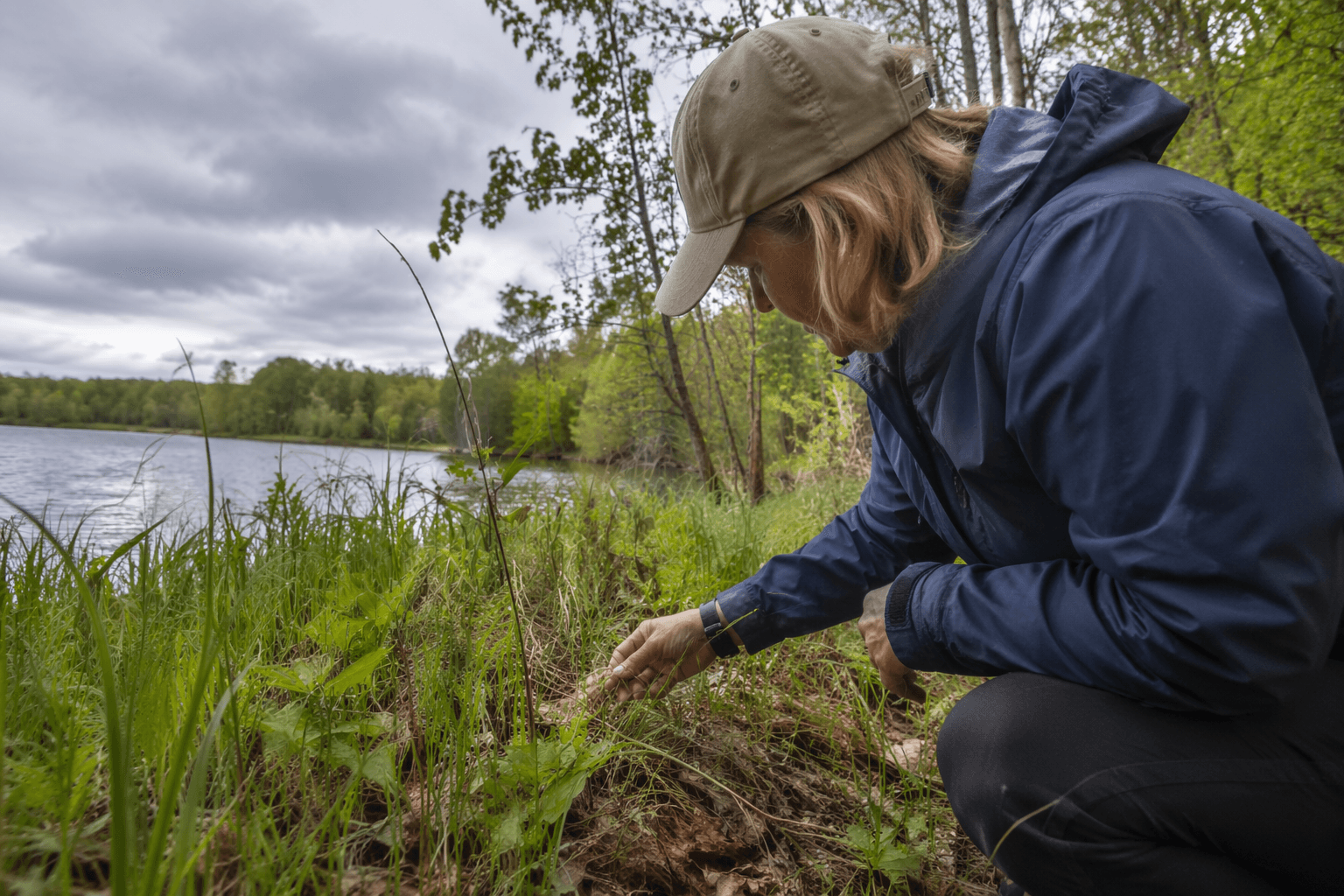
Lakeshore lots, cabin grounds, campsites and wooded trails around Otter Tail County are where blacklegged ticks are most likely to bite right now, and health officials are warning that one of the rarest tick-borne illnesses in Minnesota is also its most dangerous. Powassan virus disease has no vaccine or cure, and local public health staff say prevention matters most as summer activity picks up around the county’s lakes.
The illness is spread by infected ticks, most commonly blacklegged, or deer, ticks. The Minnesota Department of Health says blacklegged ticks are found throughout most wooded parts of the state, with nymphs most active from mid-May through mid-July and adults most active in spring and fall. That timing puts residents and visitors in the middle of the highest-risk stretch for bites in the Minnesota lakes region.
Powassan cases remain rare, but they have been rising. The Centers for Disease Control and Prevention says reported cases have increased gradually since 2004 and occur mainly in the Great Lakes region and the northeastern states. Minnesota reported its first case in 2008, and cases have appeared almost every year since, including a record-high 14 in 2024 and eight in 2022. State health officials call Powassan the most serious of Minnesota’s tick-borne diseases.

The virus can cause severe illness and leave survivors with long-term problems. MDH epidemiologist Elizabeth Schiffman told MPR News that Powassan can lead to severe illness, death and lasting impacts for survivors. Symptoms can begin with fever, vomiting, headache and weakness, then progress to neurological problems such as seizures, meningitis and encephalitis.
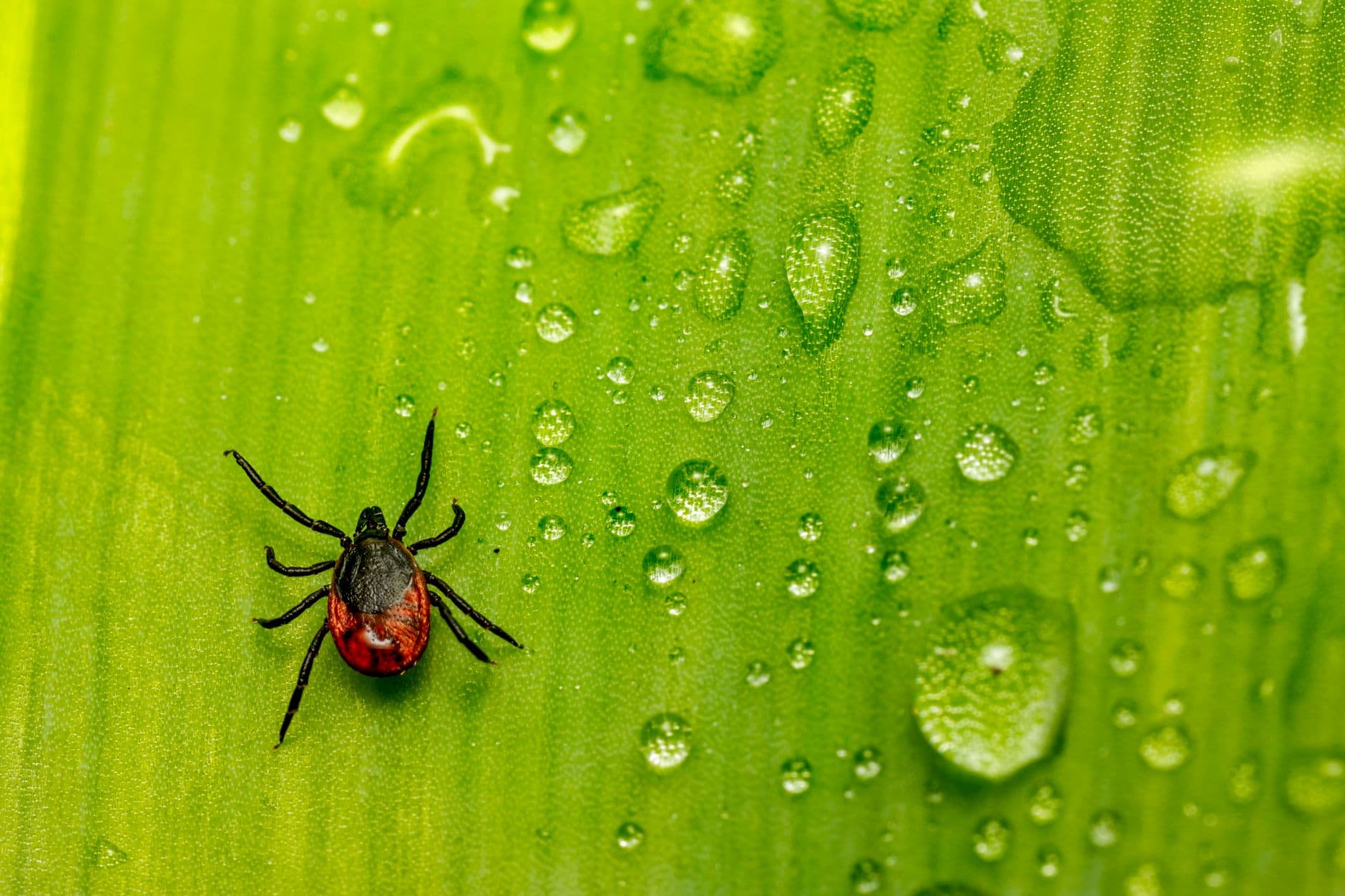
Otter Tail County Public Health says its mission includes preventing the spread of infectious disease and protecting against environmental hazards. The county office in Fergus Falls is urging people to use repellent, check for ticks every day and pay close attention to exposure when spending time in wooded or brushy lake-country areas.
That advice is especially important for families heading to the water, anglers walking shoreline properties, and workers and visitors spending long hours outdoors in the county’s tourism-driven lakes economy. With tick season moving through its most active stretch, a few precautions this week can help keep a rare infection from becoming a life-changing one.
This article was produced by Prism’s automated news system from verified source data, official records, and press releases, then run through automated quality and moderation checks before publishing. The system is built and supervised by the people who set the standards it runs under. Read our full AI policy.
Know something we missed? Have a correction or additional information?
Submit a Tip