Study Finds Perham Waste-to-Energy Facility Destroys Over 99.6% of PFAS
A new independent study found Perham’s waste-to-energy plant destroys more than 99.6% of PFAS in trash, reducing local risk of groundwater contamination.
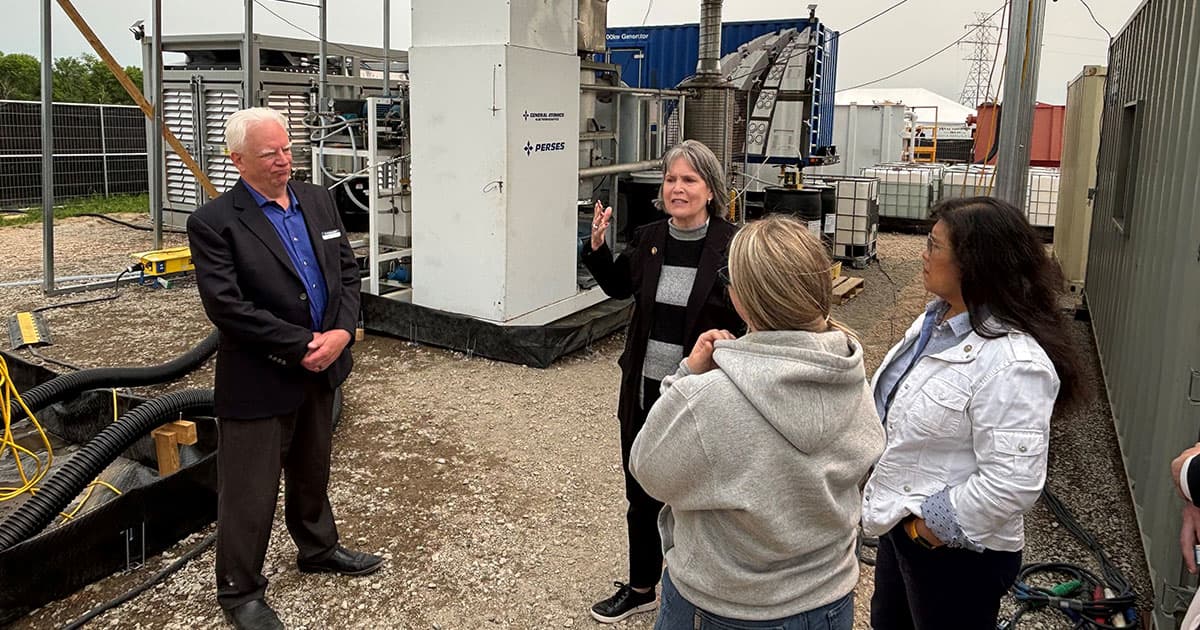
A study paid for by members of the Minnesota Resource Recovery Association found that waste-to-energy plants in Minnesota, including the Perham Resource Recovery Facility (PRRF), destroy between 99.6% and 99.97% of per- and polyfluoroalkyl substances (PFAS) through high-temperature incineration. The tests were carried out by Barr Engineering in partnership with Eurofins Laboratories and sampled three state facilities, producing results officials say matter for local groundwater protection and waste-management policy.
PFAS, often called "forever chemicals" because of their persistence, can migrate from landfilled trash into leachate and groundwater over time. The study’s findings contrast landfill pathways by showing high-temperature incineration reduces PFAS in ash and leaves air emissions at levels well below Minnesota health guidelines. That technical outcome supports the position Otter Tail County officials have voiced about the PRRF’s role in limiting long-term PFAS risks.

Otter Tail County Solid Waste Director Chris McConn described the study as validating local judgment. "The study confirms what county officials have believed about the PRRF, and that residents can feel confident PFAS are being destroyed rather than leaching into groundwater," McConn said. PRRF is owned by five member counties - Becker, Clay, Otter Tail, Todd and Wadena - and its operations include selling steam byproduct to nearby industries, a revenue and efficiency element local officials have cited in budget and service decisions.
Beyond technical figures, the study has policy implications for Otter Tail County and its neighbors. County commissioners and solid waste planners now have independent data to weigh when choosing how to manage municipal waste, plan landfill capacity, or set monitoring priorities for groundwater and air quality. The voluntary funding of the study by association members also provides a model for cooperative investment in independent testing and transparency at the regional level.
For Perham residents and property owners across Otter Tail County, the immediate takeaway centers on exposure pathways and public health risk. Reduced PFAS in ash and low air emissions address two primary community concerns: the potential for contaminants to leach into drinking water sources and the safety of emissions from combustion. Still, the presence of PFAS in the municipal waste stream remains a driver for upstream policies such as product stewardship, consumer education, and local procurement standards that limit PFAS-containing materials.
The study’s release on January 20, 2026 gives local officials fresh evidence to use in upcoming planning cycles and budget hearings. County leaders, solid waste staff, and residents now have detailed destruction-rate figures to inform debate about the balance between landfill disposal, waste-to-energy operations, and broader strategies to reduce PFAS at the source. For citizens watching municipal decisions and for voters considering how their counties manage long-term environmental health, the study is likely to be a reference point in future meetings and policy choices.
This article was produced by Prism’s automated news system from verified source data, official records, and press releases, then run through automated quality and moderation checks before publishing. The system is built and supervised by the people who set the standards it runs under. Read our full AI policy.
Did this article answer your question?


