Winter readiness guide for Otter Tail County residents, what to know now
Otter Tail County agencies and regional services provide a network of road condition reporting, warming centers, urgent care options, and emergency contacts to help residents and visitors during winter storms. Knowing where to check for closures, how snowplow priorities work, and who to call for medical or utility emergencies can reduce risks, limit economic losses, and speed community recovery.
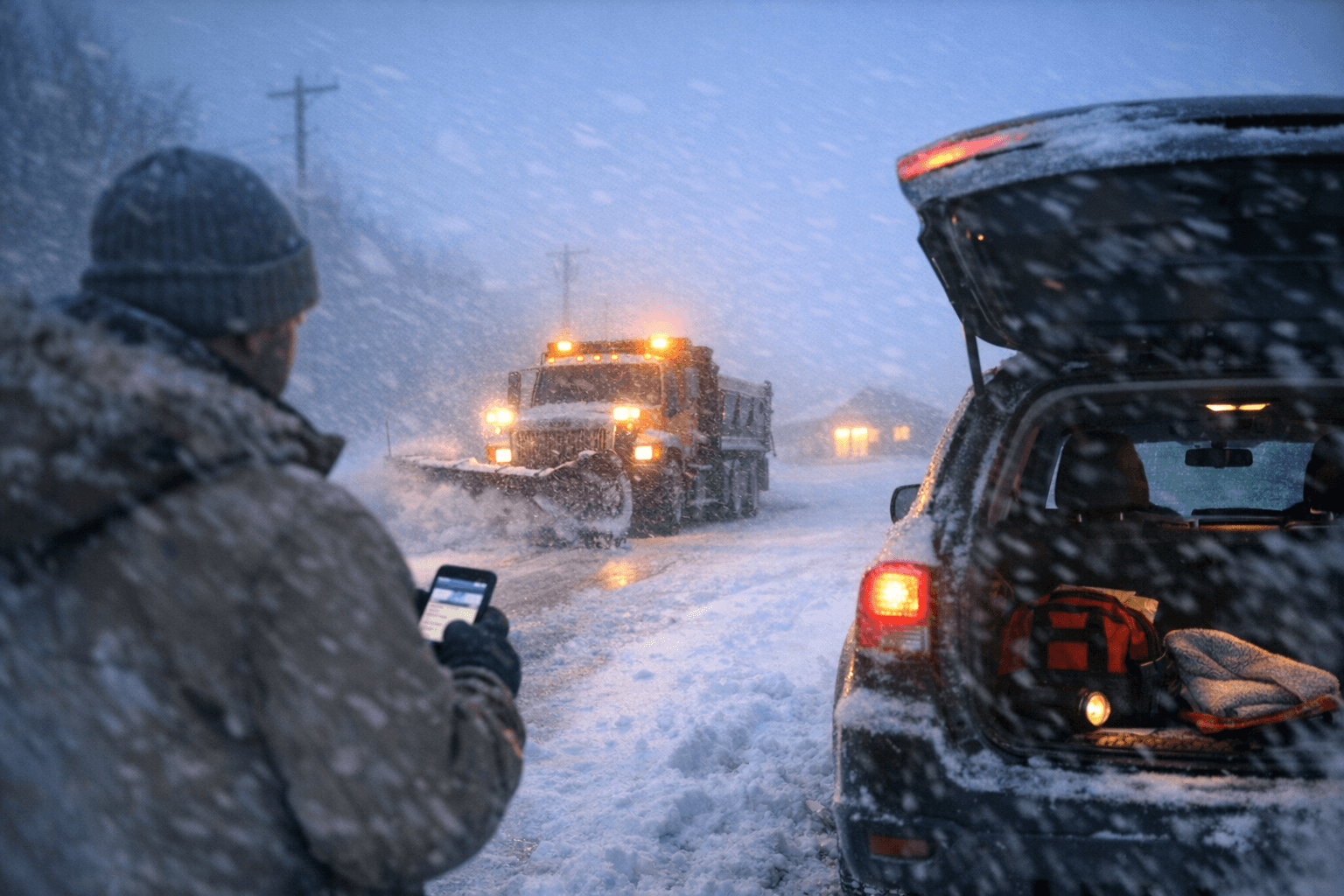
As winter weather arrives, Otter Tail County officials urge residents and visitors to use official channels for real time road and safety information and to prepare for the direct impacts that storms bring to travel, utilities, and local services. The Minnesota Department of Transportation and county highway pages post road conditions and closures, while local city halls and county dispatch can provide neighborhood level updates during emergencies.
Road access is the immediate public safety priority. County highways and primary arterials receive first attention from plows, while townships are responsible for many rural roads. Residents who encounter uncleared county roads are asked to report them to the Otter Tail County Highway Department so crews can be dispatched. These plow priorities shape the flow of people and goods, and they influence how quickly emergency vehicles and businesses can operate after storms.
Warming houses and temporary shelter options open across the area in extreme cold. Municipalities including Fergus Falls, Perham, and communities around Detroit Lakes often extend library and community center hours or establish warming centers. These local measures reduce exposure risks for people without reliable heating and help avoid costly medical interventions that strain regional health systems.
For health emergencies, Lake Region Healthcare in Fergus Falls and other regional clinics provide urgent care services for non life threatening needs. Life threatening emergencies require calling 911. Maintaining this chain of care during storms matters for individual safety and for local hospital capacity, which can be stretched during prolonged cold snaps.
Utility reliability is another critical concern. Report outages and seek updates from Otter Tail Power Company, and call 911 for downed power lines. Extended outages carry economic implications for homes and businesses, from spoilage of refrigerated inventory to interruptions in remote work and education, and they can raise repair and overtime costs for utilities that local ratepayers ultimately cover.
Practical household preparation reduces both personal risk and community strain. Check ice thickness guidance before going onto lakes. When traveling in winter storms carry emergency supplies, keep a charged cell phone, wear warm clothing, and bring food and water. Bookmark official county and city pages and local news outlets for alerts, because timely information lowers the chance of becoming stranded or needing emergency rescue.
Long term trends make this planning more relevant. Local governments face recurring winter maintenance expenditures and emergency response demands that affect budgets and service priorities. For residents, understanding where responsibilities lie between county and township roads, knowing how to report outages, and using warming and urgent care resources can reduce safety risks and limit economic disruption when storms strike.
This article was produced by Prism’s automated news system from verified source data, official records, and press releases, then run through automated quality and moderation checks before publishing. The system is built and supervised by the people who set the standards it runs under. Read our full AI policy.
Did this article answer your question?