Winter Weather Advisory Jan. 20-21: Blowing Snow, Hazardous Travel West Otter Tail
Blowing snow with gusts up to 45 mph on Jan. 20-21 created hazardous travel and rapidly reduced visibility in west Otter Tail; drivers were urged to slow down and check 511.

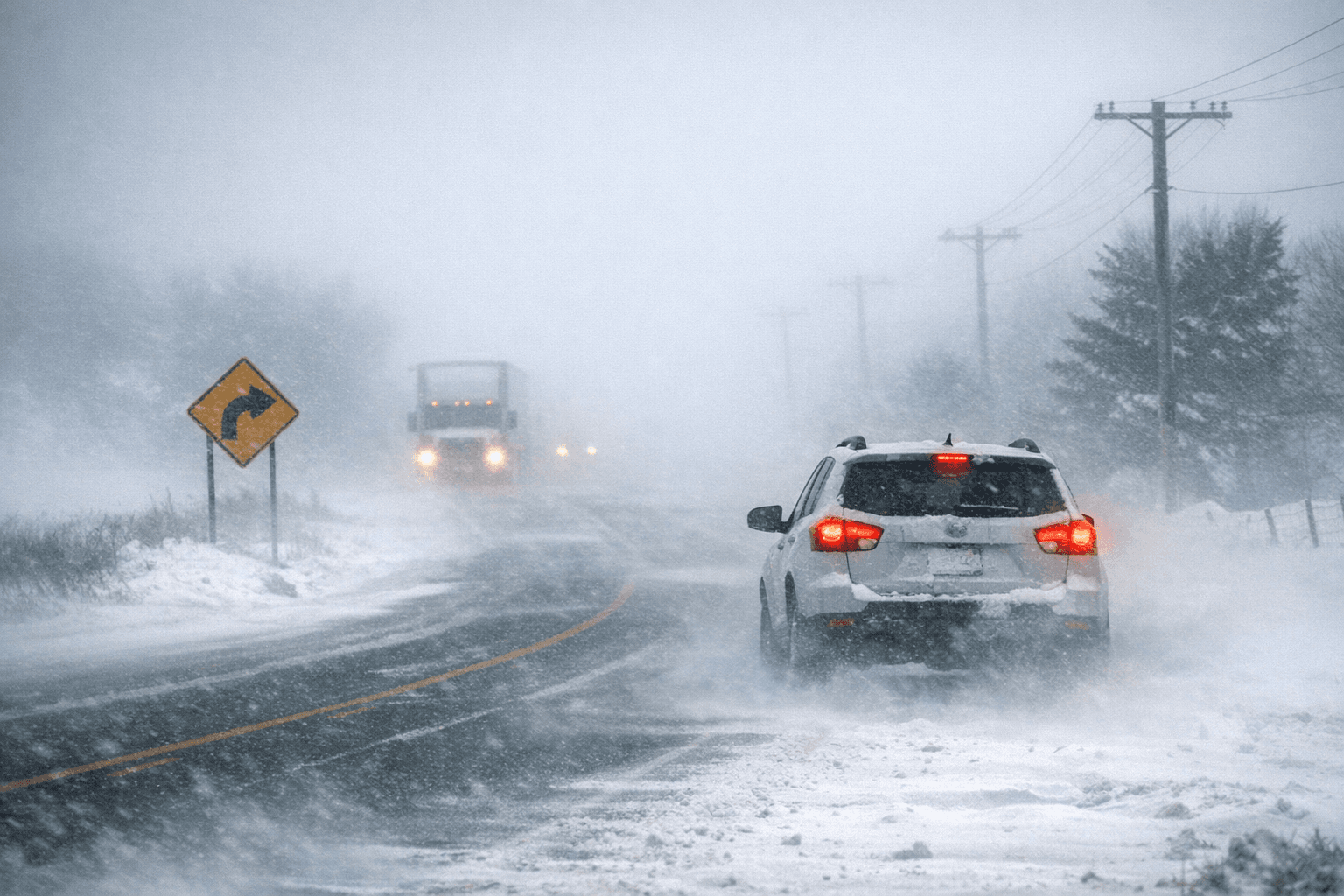
Heavy gusts and drifting made a modest snowfall dangerous for many residents in west Otter Tail during the Winter Weather Advisory issued for Jan. 20-21. The National Weather Service in Grand Forks warned of up to about one inch of accumulation but emphasized areas of blowing snow and gusts up to 45 mph that led to slippery roads and rapidly reduced visibility.
The advisory covered portions of northwest and west central Minnesota and singled out rural roads as particularly vulnerable. Even with low total snowfall, strong winds pushed snow across county highways and township roads, creating whiteout conditions that made travel difficult and increased the likelihood of spinouts and road closures. Motorists were directed to slow down and use caution, and to check 511 for up-to-date road conditions.
Beyond immediate hazards to drivers, the storm had public health and community implications. Emergency responders and ambulance crews faced longer response times as crews navigated blowing snow and transient visibility. People who rely on regular medical transport - including those traveling to dialysis, outpatient clinics, and scheduled procedures - risked missed appointments or delayed care. Rural residents who lack reliable vehicles or who depend on neighbors, volunteer drivers, or limited transit options were more exposed to those disruptions.
Social equity concerns were apparent in who bore the brunt of the storm. Low-income households without access to all-wheel drive, older adults living alone, and people whose work could not be done remotely were more likely to face both immediate danger and longer-term consequences, such as lost wages or missed medical care. The advisory served as a reminder that services like consistent road maintenance, accessible transportation options, and investments in telehealth and local care access are critical to protecting vulnerable residents during routine winter storms.
Local public safety officials and transportation departments commonly respond to these advisories by prioritizing main arteries and county routes. For residents planning travel after the advisory period, checking 511 for road conditions remained the recommended step. Neighbors and community organizations can reduce risk by coordinating rides for essential appointments, checking on elders and homebound residents, and ensuring winter safety supplies are available.
This event underscored how quickly a small snowfall can become a community-level hazard when wind drives visibility down and rural roads drift. For Otter Tail County residents the takeaway is practical: treat forecasts for blowing snow seriously, verify road conditions at 511 before traveling, and lean on local networks to support those most at risk until roads and services return to normal.
This article was produced by Prism’s automated news system from verified source data, official records, and press releases, then run through automated quality and moderation checks before publishing. The system is built and supervised by the people who set the standards it runs under. Read our full AI policy.
Did this article answer your question?