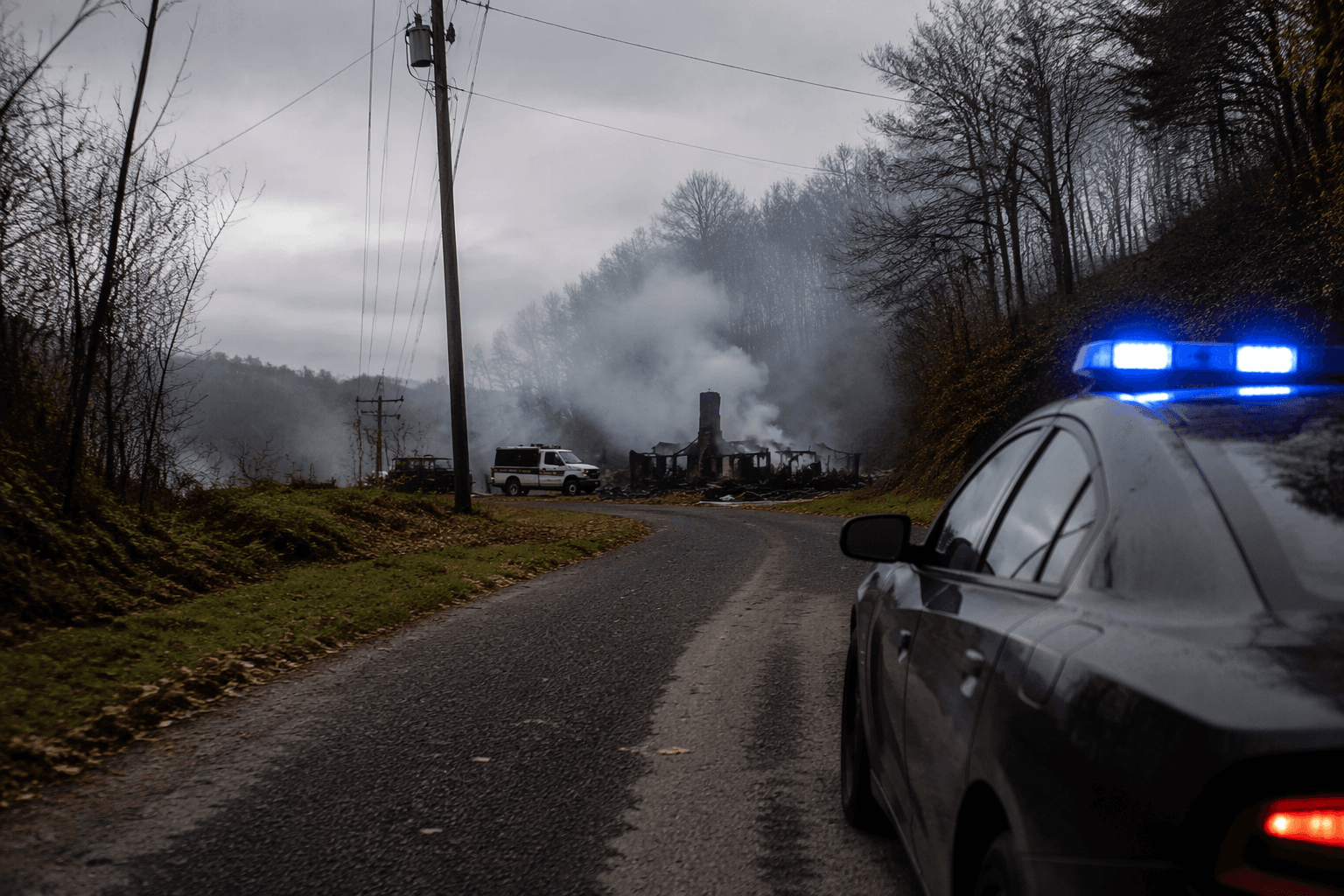
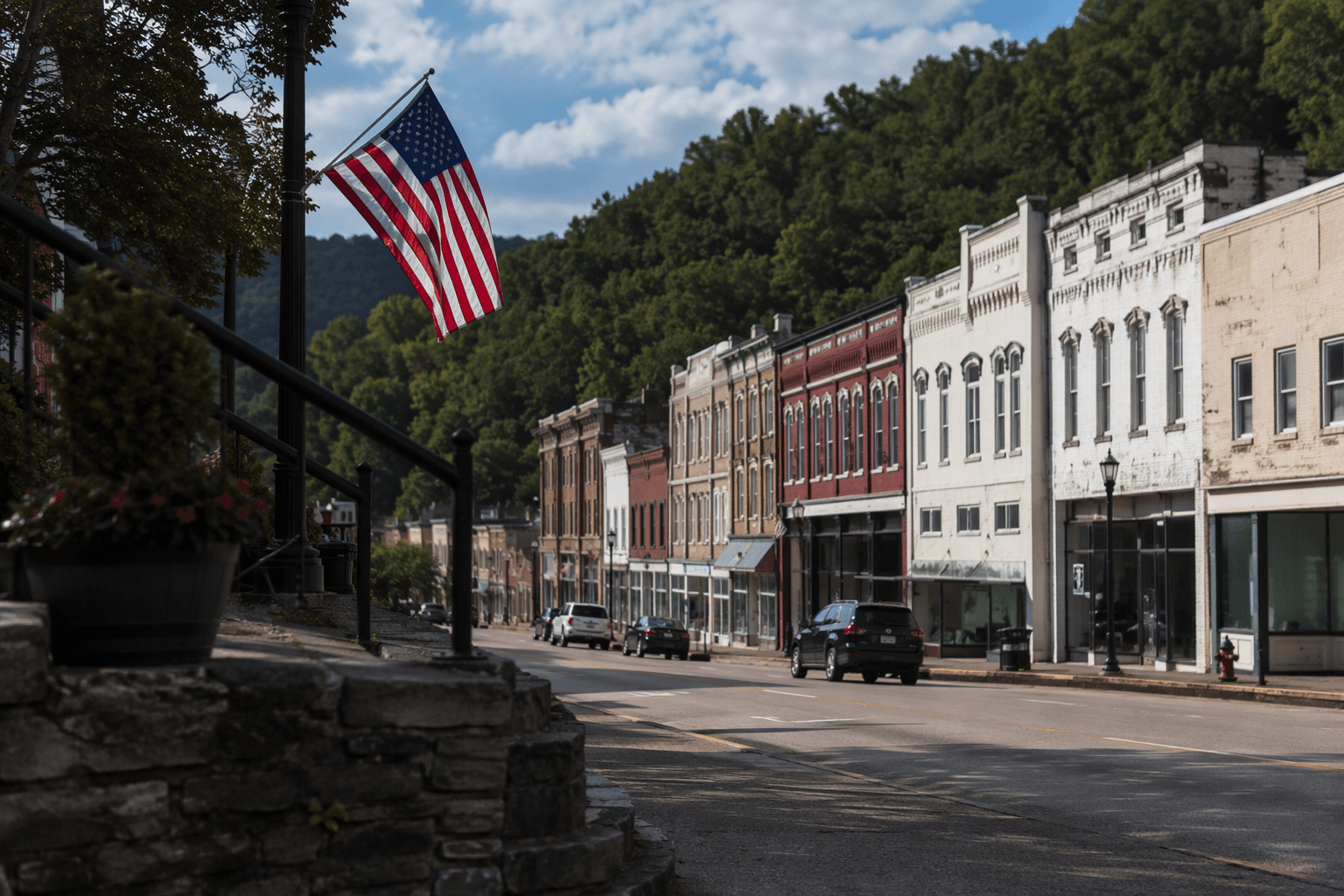
Documentary spotlights Owsley County, and its place in Appalachia
A PBS-backed film and The Daily Yonder’s attention put Owsley County’s students, addiction struggles, and Booneville history in view, raising who gets to define the county.
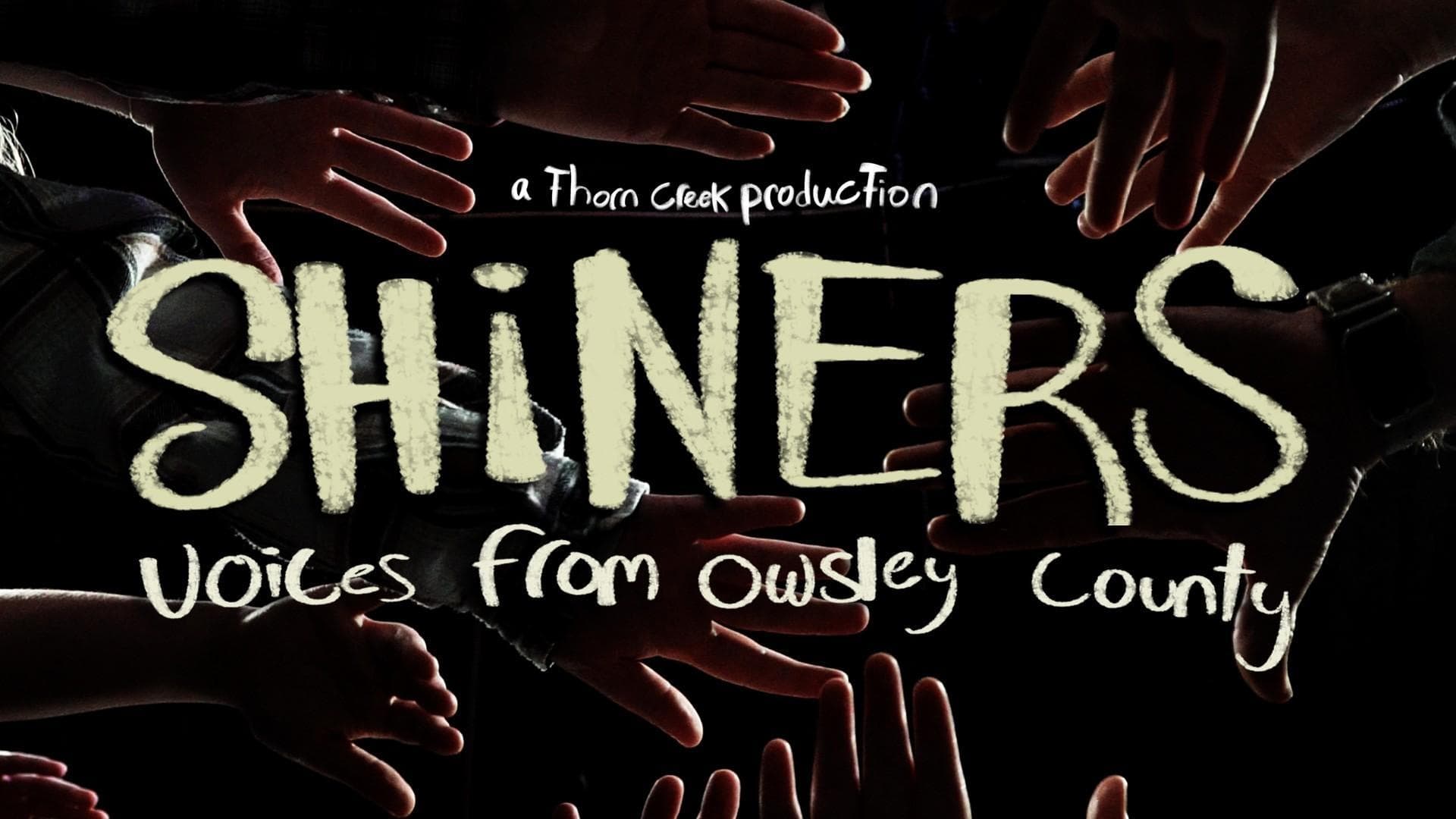
A documentary about Owsley County has moved into the orbit of The Daily Yonder, pushing Booneville and its stories into a wider Appalachian conversation. The bigger issue is not just visibility, but voice: whether the county is being described the way residents see it, or through the same old shorthand outsiders often apply to rural Kentucky.
A county story told by its students
Shiners: Voices from Owsley County runs 1 hour 25 minutes and 40 seconds, and PBS frames it around students from Owsley County High School who write and perform a play about growing up in rural Appalachia. That matters because the people on screen are not distant commentators or visiting filmmakers alone. The story is built from local students turning their own experience into performance, which gives the county a chance to speak for itself.
PBS says those students confront addiction in “one of the nation’s poorest counties,” a description that is hard to separate from the realities many families live with. It also shows the risk of this kind of coverage: the same fact pattern that makes the film truthful can also make it easy for outside viewers to stop at poverty and miss everything else that gives the county shape. The documentary’s value lies in keeping both truths in view at once.
What the film emphasizes, and what that framing does
The film’s emphasis is unmistakably local and school-based. By centering Owsley County High School, student writing, and a play about rural Appalachian life, the project turns the county into a place of memory, performance, and self-definition rather than just a data point. That approach gives residents and former residents something rare: a public version of the county that is anchored in people they know and places they recognize.
That matters because documentaries often become the version of a place that outsiders remember. For educators, historians, and tourism advocates, the film can serve as a reference point for explaining Owsley County’s past and present. For residents, it can become a test of whether the county is being shown with accuracy and care, or flattened into the familiar image of Appalachian hardship.
Booneville’s own identity is part of the story
Booneville’s town website adds important local context. It says the community was once known as Boone’s Station in honor of Daniel Boone, grew along the South Fork of the Kentucky River, and later became the seat of Owsley County. Those details matter because they remind viewers that Booneville is not just a county seat on paper. It is a place with a frontier-era identity and a long memory of its own.
The town also calls Booneville “Kentucky’s Hidden Gem,” a phrase that fits the appeal of a documentary about the area. A film can help a hidden place reach a wider audience, but it also decides which parts of that place are visible. In Booneville’s case, the strongest portrayals are the ones that show history, landscape, and present-day struggle together, instead of leaning only on the county’s hardships.
How the film reached beyond the county
The documentary’s reach extends well beyond Owsley County. Thorn Creek Productions says Shiners: Voices from Owsley County is now streaming nationwide on PBS, which gives the film a platform far outside Booneville. A Facebook post tied to the film marked the broadcast premiere for Sunday, Feb. 8, at noon and 8 pm on PBS/KET, showing that Kentucky Educational Television was part of the distribution path as well.
That wider distribution raises the stakes. When a county’s story reaches statewide and national audiences, every choice about what to include becomes part of the public record of that place. For Owsley County, that means the film is not only entertainment. It is a cultural artifact that can shape how strangers understand the county long after the broadcast ends.
Why the portrayal matters at home
The community reaction around the project suggests that people in and around Owsley County recognize that power. A Partners for Rural Impact page titled “Shiners: A Packed House, Powerful Stories, and the Heart of Appalachian Kentucky” points to live audience interest and emotional response, not just passive viewing. That kind of response matters in a small county, where outside attention can feel rare and every public depiction carries extra weight.
This is why the balance of the documentary matters so much. A film that foregrounds students, addiction, and rural life can create pride if it also makes room for local dignity, history, and voice. If it leans too heavily on the oldest Appalachian stereotypes, it risks turning Booneville into a symbol instead of a living place. The difference shapes how Owsley County is understood beyond the county line, and how residents see themselves when the cameras move on.
This article was produced by Prism’s automated news system from verified source data, official records, and press releases, then run through automated quality and moderation checks before publishing. The system is built and supervised by the people who set the standards it runs under. Read our full AI policy.
Did this article answer your question?