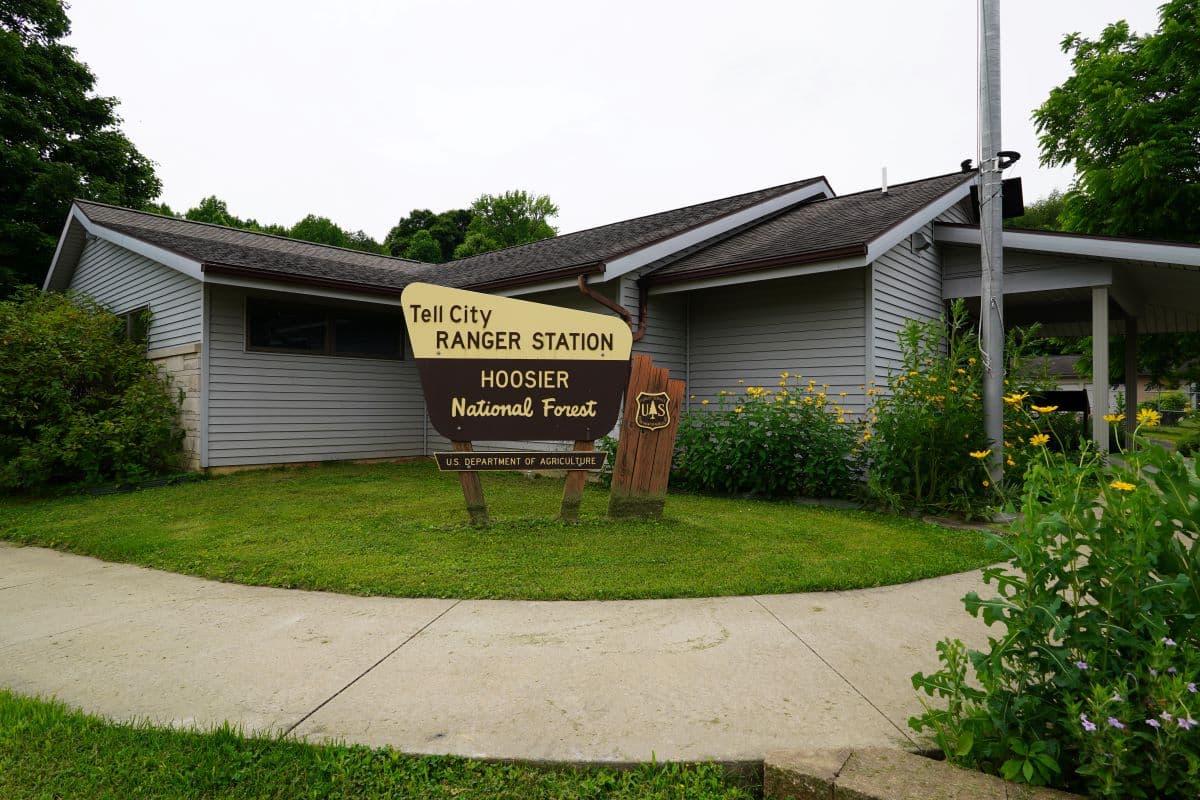
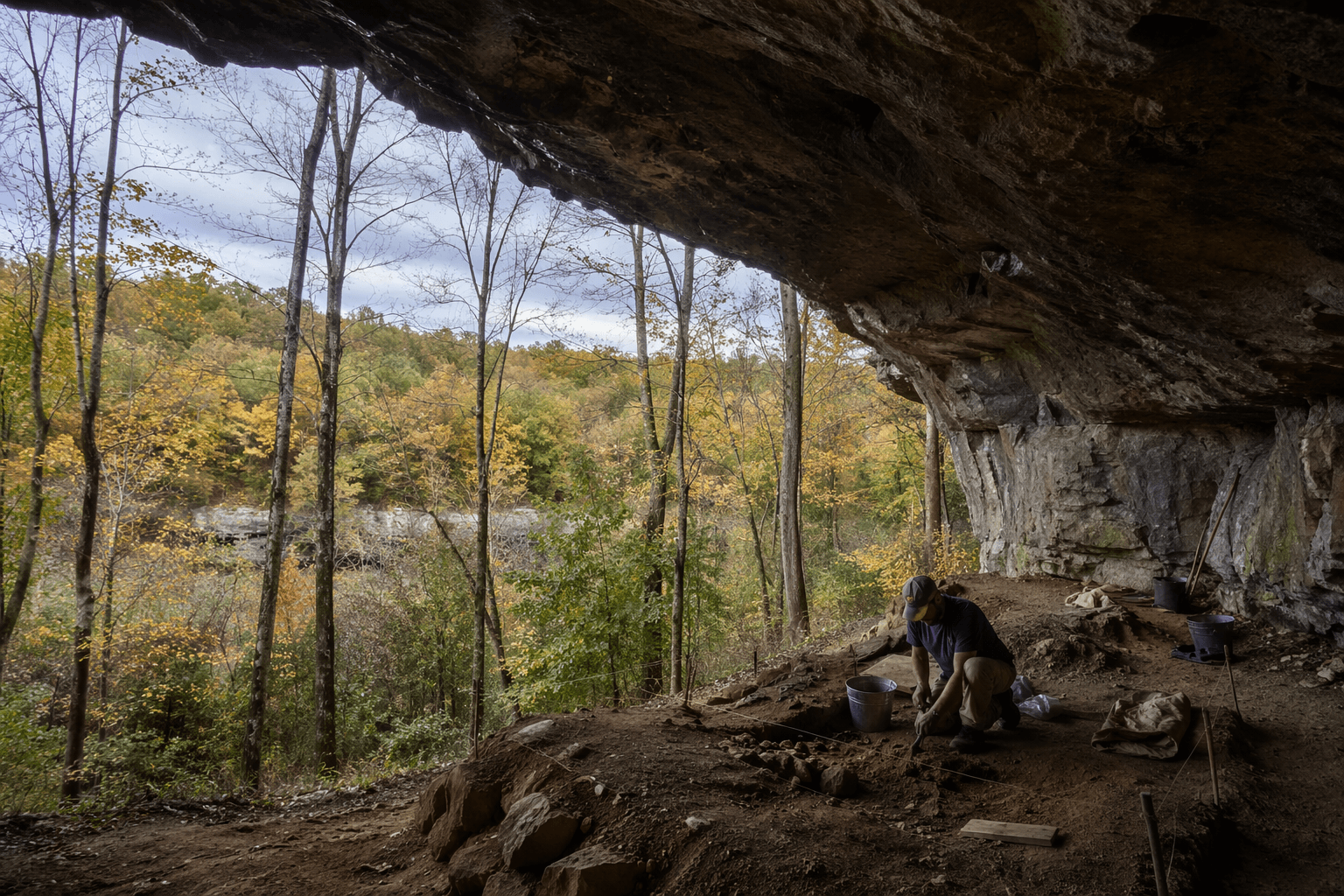
Perry County history comes alive in digital newspaper archive
Perry County’s moving courthouse and digitized newspapers make old homes, schools, and family names easier to trace. The archive, genealogy desk, and state library hold the paper trail.
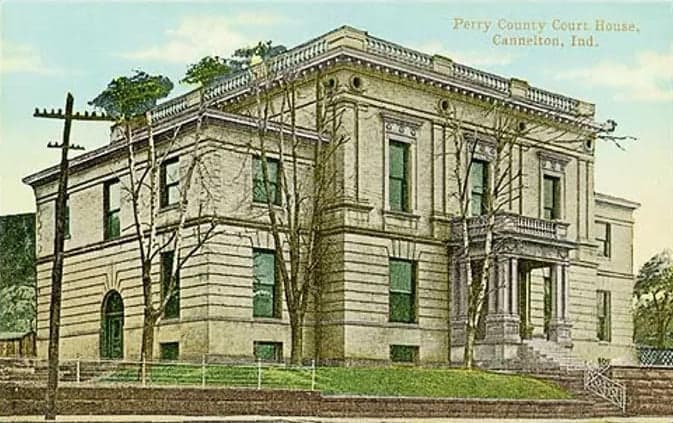
Troy, Rome, Cannelton, and Tell City each held Perry County’s records at different times. A house on an old road, a family name that vanished after the last moving, or a business remembered only in a school annual can still be traced through the county-seat timeline, the Perry County Public Library’s digital archive, and the genealogy and state-library collections that fill in the gaps.
Follow the courthouse trail first
Perry County was organized in 1814 and named for Commodore Oliver Hazard Perry, the War of 1812 hero. It was the last county in Indiana to be created before the Territory of Indiana applied to Congress for an enabling act, which makes its paper trail unusually clear for a county with such a long record. The seat moved as the county changed: Troy was first, Rome followed after Spencer County was created in 1818 and Troy was no longer near the middle, Cannelton served from 1859 through 1994, and Tell City became the county seat in 1994.
If you are trying to trace a property, an old family residence, or a business address, that sequence tells you where the records likely sat at different times. A document tied to an 1800s address may surface under Troy or Rome; a later filing may sit under Cannelton; anything from the modern era belongs with Tell City. The county-seat timeline keeps you from searching the wrong courthouse era.
Start with the newspapers and yearbooks
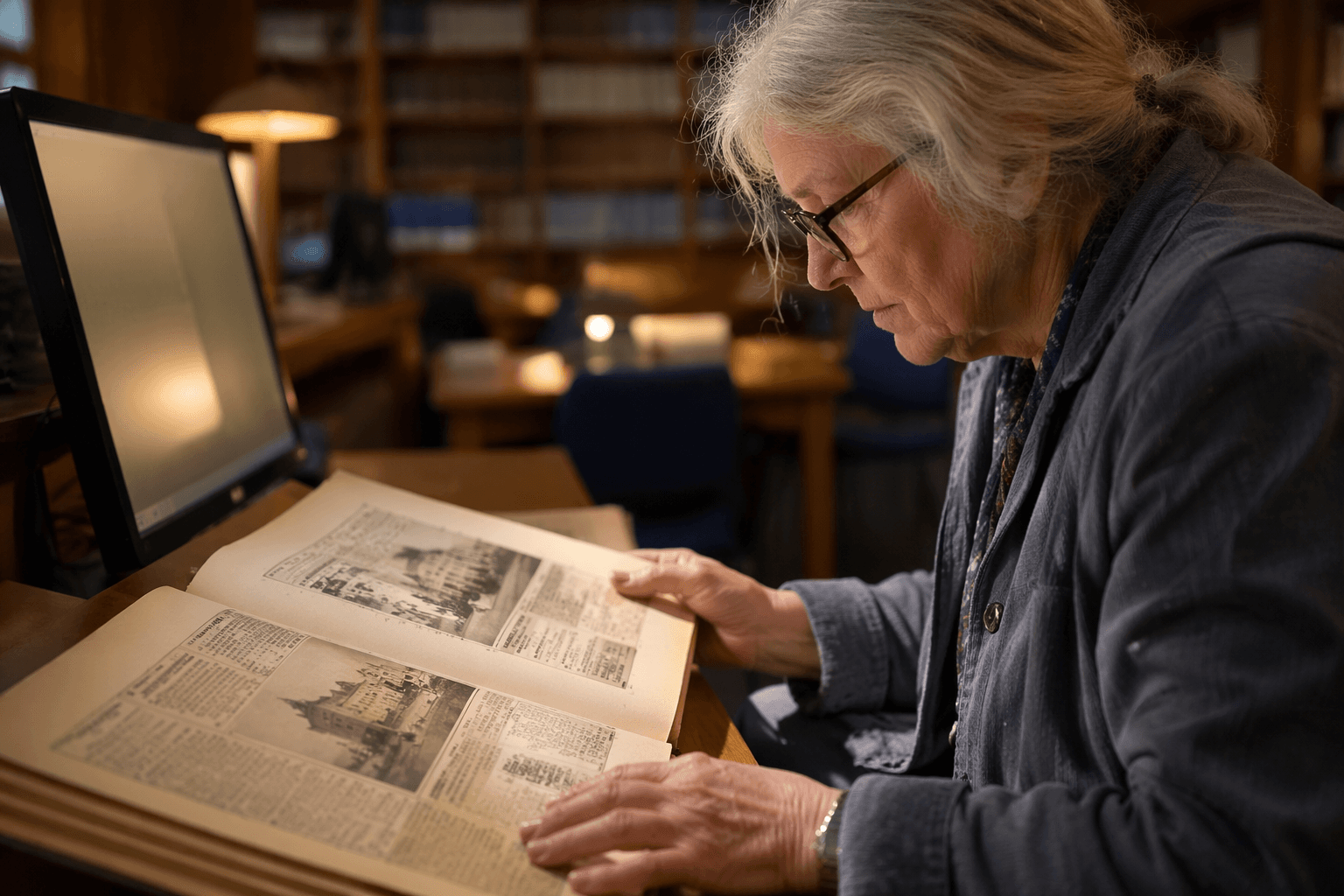
The Perry County Public Library’s digital archive is the best first stop for names, dates, and local landmarks. Its collection includes Tell City News with 61,961 pages, The Cannelton News with 16,895 pages, The Cannelton Telephone with 16,348 pages, Tell City Yearbooks with 9,920 pages, The Cannelton Enquirer with 9,110 pages, and Tell City Anzeiger with 6,789 pages. The browse-by-year display stretches from the 1830s through the 1940s, which makes it useful for long-running searches instead of just recent news.
A practical search usually works best in this order:
1. Start with the town name tied to the record you are chasing, such as Troy, Rome, Cannelton, or Tell City.
2. Add a specific person, school, church, street, or business name.
3. Use the archive’s search filters, including exact phrase, any of the words, none of the words, before, after, and between, to narrow the result set.
4. Move year by year when a name is common or when a business appears to have changed hands.
The yearbooks are especially useful when a family member, student, coach, or club member disappears from newspaper coverage. The Tell City Yearbooks collection alone gives you 9,920 pages of school names, class lists, sports references, and local faces across decades. For obituaries, church notices, business openings, and community events, the newspapers usually give the tighter match.
Use the archive to connect daily life to place
The county’s archive covers more than headline events. It is the place to look for school programs, graduation notes, sports coverage, obituaries, church announcements, and the social life of Perry County as it changed from the 1800s into the 1900s. Perry County has about 60,000 acres of Hoosier National Forest, roughly 40 miles of Ohio River border, and a population that stood at 19,338 in the 2010 Census and 19,389 in the 2025 Census Bureau estimate.
In a county this size, a single newspaper notice could mark the only surviving trace of a farm transfer, a store opening, or a school event. If a name does not appear where you expect it, try alternate spellings, the neighboring town, or the county-seat name from the period when the event likely happened.
When the paper trail stalls, go to the genealogy desk
Perry County Public Library also has a genealogy department. Tammy Harrington serves as the staff genealogist and helps researchers with questions, local-history work, and family-history searches. The department invites visitors to come in, and it also offers an email contact and a genealogy research request form for people who may only have a name, a date, or a family story to start from.

When the archive gets you close but not all the way there, a newspaper item may identify a surname and a town, while the genealogy desk can help you connect that clue to the next generation, a church reference, or a different spelling that opens the search. If you already know only one fact, such as a relative’s first name or a rough year, the request form gives the library a way to begin from that small starting point.
Push the search farther at the state library
For deeper reading, the Indiana State Library’s county history collection covers all 92 counties and includes histories of institutions, biographies, local development materials, and more. Perry County’s holdings include History of Troy, Perry County a history, Perry County, then and now, and Tell City Like It Is. Those titles are useful when the newspaper record points to a family, a church, a school, or a civic group that needs a broader historical frame.
Newspapers can tell you when something happened, yearbooks can show who was there, and county histories can explain how the institution or neighborhood fits into the larger story of Perry County. If you are tracing a place across generations, use the Indiana State Library to check the larger county record.
Tell City's centennial and historical society
The city held a centennial celebration from August 10 through August 17, 1958, and the Tell City Historical Society’s purpose is to preserve, display, and interpret the city’s history for future generations.
This article was produced by Prism’s automated news system from verified source data, official records, and press releases, then run through automated quality and moderation checks before publishing. The system is built and supervised by the people who set the standards it runs under. Read our full AI policy.
Did this article answer your question?