Columbia Street reveals Helena’s layered history and local identity
Columbia Street is Helena’s best place to see what endures, from Centennial Baptist Church to Court Square Park. A short walk shows how the city’s history still shapes its identity.
Columbia Street works like a field guide to Helena. One walk shows what survives, what changed, and how the city’s religious, civic, and tourism worlds still overlap downtown. The Arkansas Historic Preservation Program used that logic in an April 14, 2018 Walks through History tour led by Holly Hope and sponsored by Main Street Helena, with help from Shane Williams, Debra Smith, Cornelius Borum, and Donna Parker.
Start at York and Columbia
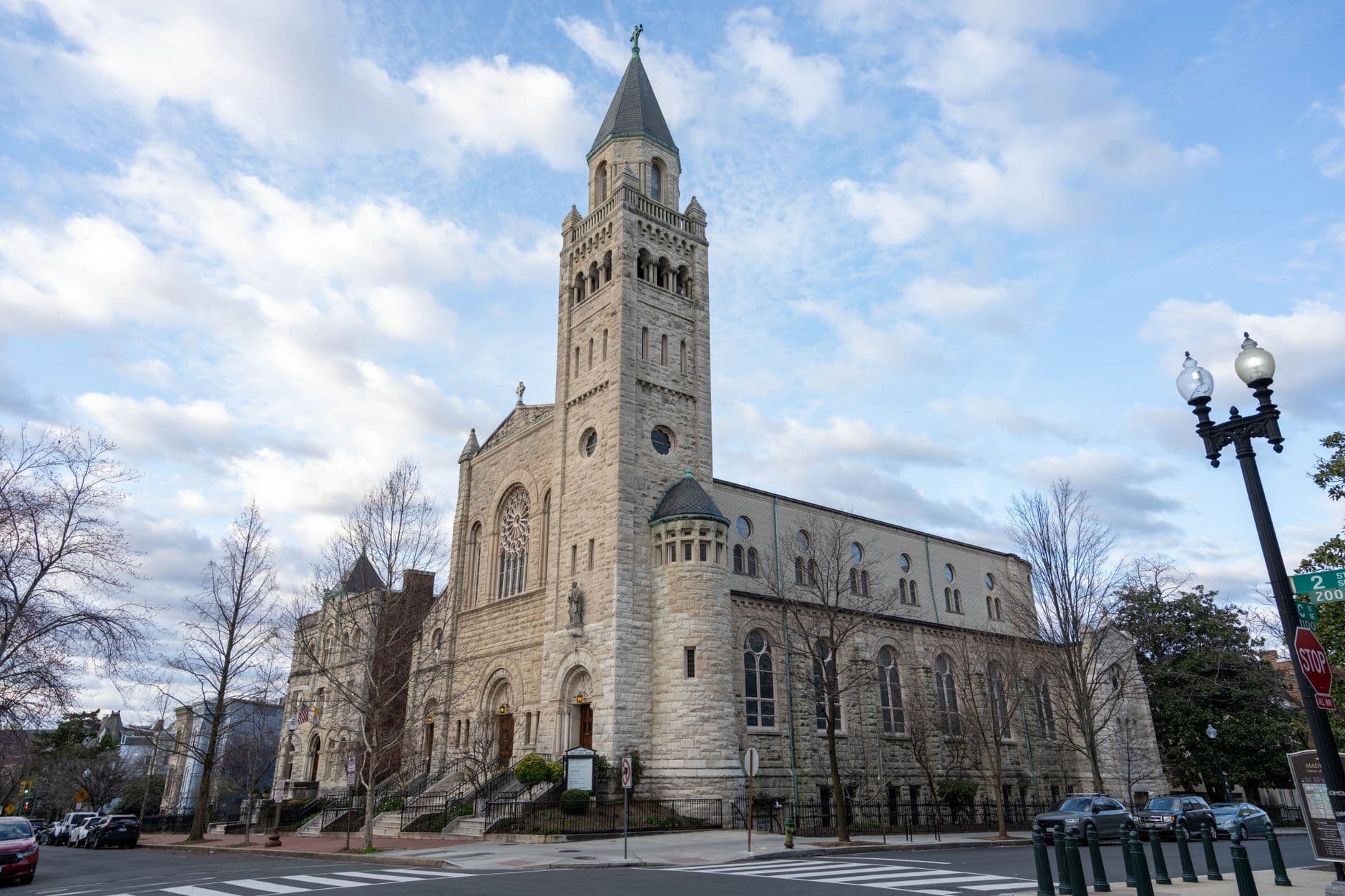
The clearest marker on the street is Centennial Baptist Church at York and Columbia streets. Built in 1905 in the Gothic Revival style, it was listed as a National Historic Landmark on July 31, 2003, and it stands as a physical symbol of the work of Reverend Elias Camp Morris, who became president of the National Baptist Convention in 1895. That makes the corner more than a landmark stop. It shows that Columbia Street was shaped by worship, leadership, and Black civic power as much as by trade.
For a walking reader, that matters because the church is not tucked away on a side road. It sits on one of the city’s most readable intersections, where the built environment gives away Helena’s layered past. A street that reaches a landmark church like this is already telling you the block was part of the city’s core life, not just a route through it.
Read the street as downtown Helena’s record
Old Delta streets are archives in plain sight, and Columbia Street belongs in that category. Streets in a place like Helena tell you where commerce clustered, where public authority gathered, and how people moved between neighborhoods and institutions. Columbia Street sits inside a historic fabric that includes downtown blocks, historic churches, and landmark buildings, with Cherry Street and the courthouse area part of the same urban story.
Helena-West Helena’s 2020 Census footprint, 13.09 square miles and 9,519 people, helps explain why the historic center still feels compact enough to read on foot. In a river city of that scale, the downtown grid carries unusual weight, because so many of the city’s institutions are concentrated close together. That concentration is why a short walk can connect Columbia Street to the larger identity of Phillips County’s county seat.
Follow the preservation network
The street also makes sense when you look at the institutions that keep Helena’s history visible. The 2018 tour tied Columbia Street to Main Street Helena, the Delta Cultural Center, and the Helena-West Helena Welcome Center, with support from Shane Williams, Debra Smith, Cornelius Borum, and Donna Parker. That mix of preservation, interpretation, tourism, and local management is the clue that Columbia Street is not just scenic. It is part of how the city explains itself.
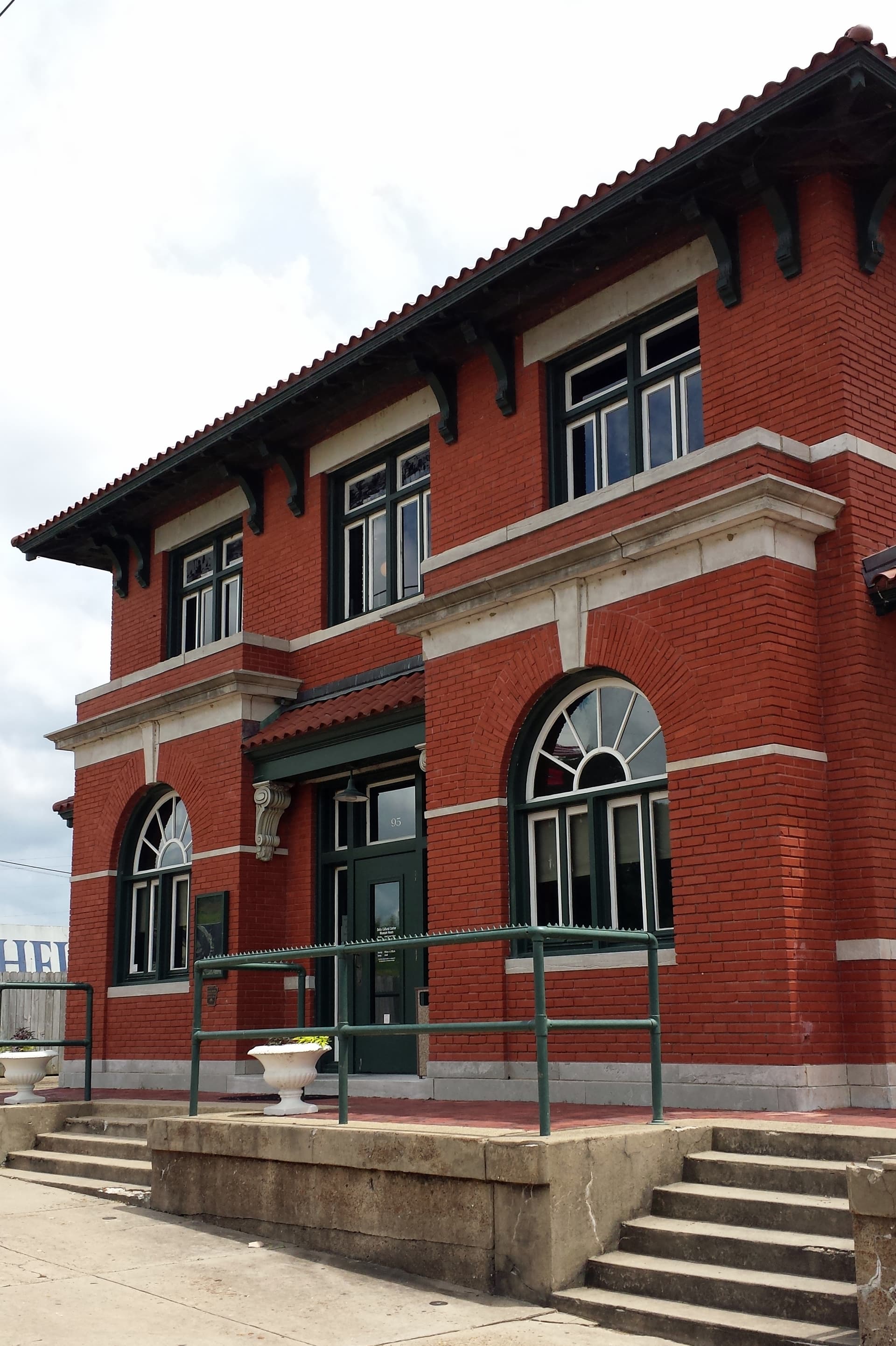
Downtown Helena strengthens that reading. The Advisory Council on Historic Preservation identifies the Missouri Pacific Train Depot, built in 1912, as one of the historic buildings that make up the Delta Cultural Center. That depot anchors the downtown museum landscape and links Columbia Street to the city’s rail era, when transportation, commerce, and civic life all depended on the same central corridor. The preservation ecosystem also includes the Helena Museum of Phillips County, Visit Helena, and the Arkansas Historic Preservation Program, which is why the street keeps showing up in tours, heritage materials, and local interpretation.
What to notice as you walk
A Columbia Street walk is most useful when you slow down and look for the layers instead of just the highlights. The street’s value is in the details that survive and the ones that have been interrupted by change. Use the block as a practical field guide and notice how each piece fits into the whole.
- At York and Columbia, pause at Centennial Baptist Church and read the corner as a civic marker, not just a religious one.
- Look along the storefront lines and facades for places where the street wall stays intact and places where gaps or later alterations break the rhythm of the block.
- Keep the downtown grid in view. Columbia Street makes the most sense beside Cherry Street, the courthouse area, and the blocks that lead toward Court Square Park.
- Use Court Square Park as a downtown reference point. Visit Helena places it at the center of the city’s walkable heritage area, which makes it a natural stop on a self-guided route.
- Connect the street back to the Delta Cultural Center and the 1912 Missouri Pacific Train Depot, which tie Helena’s downtown to rail history and museum interpretation.
The strongest thing Columbia Street offers is not nostalgia. It is orientation. A single walk pulls together the 1905 church at York and Columbia, the 1912 depot at the Delta Cultural Center, the compact 2020 city footprint, and the downtown park at Court Square. Read together, those places show why Helena still feels like a river city with a memory that is built into the street itself.
This article was produced by Prism’s automated news system from verified source data, official records, and press releases, then run through automated quality and moderation checks before publishing. The system is built and supervised by the people who set the standards it runs under. Read our full AI policy.
Did this article answer your question?